TEST RECORD
- DATE
- November 23, 2026
- DESK
- PETROCHEMICALS
- READ TIME
- 3 MIN
- WORDS
- 517
Andhra Petrochemicals halts Visakhapatnam plant for urgent maintenance
Andhra Petrochemicals halted Visakhapatnam manufacturing on November 23, 2026 for urgent maintenance. No restart date or output loss was disclosed to stock exchanges.
SPECIFICATION
- 1
Manufacturing at Andhra Petrochemicals’ main Visakhapatnam plant stopped effective November 23, 2026.
- 2
The urgent maintenance shutdown was disclosed under Regulation 30 of SEBI LODR.
- 3
The company gave no restart date, plant capacity or expected lost tonnage.
- 4
The plant also halted operations in March 2026 after a propylene feedstock supply interruption from HPCL.
- 5
SAHI rates the market bias as neutral and flags maintenance completion and Q3 production updates as key triggers.
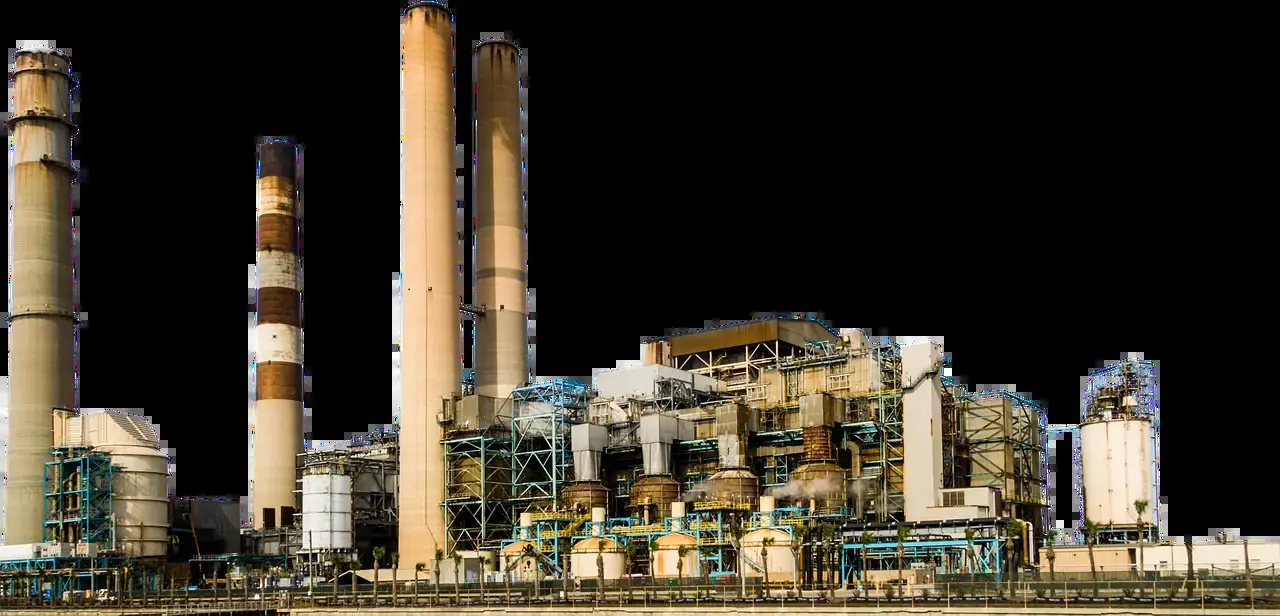
Andhra Petrochemicals Limited halted manufacturing at its main Visakhapatnam plant effective November 23, 2026, for urgent and critical maintenance.
The company gave no restart date. Its notice said: “Operations will resume once technical maintenance is completed.” It also promised to inform stock exchanges after production restarts.
The filing appears under Regulation 30 of SEBI LODR (Listing Obligations and Disclosure Requirements). It does not identify the equipment or unit under maintenance, the plant’s capacity, expected lost tonnes, maintenance cost, or a revenue estimate. The lack of a duration leaves the size of the production gap unresolved.
The second 2026 halt
Andhra had already stopped operations at Visakhapatnam in March 2026. That halt followed a temporary interruption to propylene feedstock (raw material input) supply from Hindustan Petroleum Corporation Limited, abbreviated HPCL.
The March event was a supply interruption. The November event concerns maintenance. Both remove production from the schedule, but the notice does not provide enough data to compare their scale.
Chemical producers sometimes schedule mandatory shutdowns for critical-unit maintenance and safety checks. Such work protects asset health and operating efficiency. It can also interrupt output and near-term sales while the work proceeds.
What does this change for oxo-alcohol buyers?
Oxo alcohols (chemical intermediates) may face tighter local spot availability, meaning availability for immediate purchase on the open market. SAHI treats that outcome as a risk rather than a confirmed shortage. No outage volume, inventory level, customer allocation plan, or replacement cargo appears in the announcement.
For procurement teams, the practical answer is to watch local supply offers and the company’s restart filing. They should not assume a material supply deficit without evidence. A clear resumption date would remove much of the uncertainty.
The March disruption also shows the plant’s exposure to external propylene supply. Buyers should distinguish that feedstock risk from the planned maintenance work now under way.
Market signals and risks
SAHI assigns a neutral market bias to the event. It also places an underweight stance on commodity chemicals, meaning a cautious sector allocation. Its stated time horizon runs from zero to three months.
The assessment identifies two main triggers:
- Announcement that maintenance is complete, including a resumption date.
- Updates on the effect of the shutdown on Q3 (third-quarter) production volumes.
Two risks remain:
- The maintenance lasts beyond Andhra’s internal schedule.
- The company loses sales during the closure.
The central financial issue is duration. The company has not stated how long the stoppage will last. A short outage could mainly shift production and operational revenue between quarters. A longer closure could reduce sales and increase revenue friction in the current quarter.
The market assessment also says near-term trading sentiment may remain subdued until Andhra communicates a clear restart timeline. That view reflects temporary operating friction, not a negative verdict on the business.
For current-quarter planning, producers and distributors should track two disclosures: lost production at Visakhapatnam and the company’s exchange notification after maintenance. Those figures will show whether the shutdown creates a brief scheduling problem or a more meaningful supply and revenue constraint.
via Google News — Petrochemicals (Source)
More from Sophie Lindqvist
Show full bio
News editor covering regulation, policy and their impact on Chemicals Weekly is the trade press at Chemicals Weekly.
53 articles