TEST RECORD
- DATE
- November 20, 2026
- DESK
- DEALS & MARKETS
- READ TIME
- 3 MIN
- WORDS
- 661
BASF Walks Away From Evonik, Starts Up $1bn Geismar MDI Plant
BASF ends its Evonik pursuit after two rejected bids at up to EUR 24/share, starts up a $1bn MDI plant lifting Geismar capacity to ~600,000 t/yr, and sells mining solutions to SNF.
SPECIFICATION
- 1
BASF withdrew its Evonik pursuit on 19 November after two rejected all-cash offers, the latest at EUR 24 per share
- 2
New MDI plant at Geismar, Louisiana started up last week; ~USD 1 billion invested, lifting annual capacity to ~600,000 tonnes
- 3
Mining solutions sale to SNF agreed 12 November, includes Cork site and ~140 employees, closing targeted 2027
- 4
Nemasphere soybean trait to reach US and Brazilian markets from 2028, peak sales potential over EUR 300 million
- 5
BASF and DWE partnership on modular sustainable methanol units pairing power-to-liquid with SYNSPIRE catalysts
BASF has formally abandoned its pursuit of Evonik after the Essen-based specialty chemicals group rejected two unsolicited all-cash offers, the second pitched at EUR 24 per share. Management concluded that Evonik's own business outlook — and the risks attached to it — did not justify a richer valuation, and the withdrawal was confirmed on 19 November.
The decision caps a courtship that had already attracted political heat. Hendrik Wüst, premier of North Rhine-Westphalia, publicly opposed the combination on 18 November. Reuters, citing people close to Evonik, reported the company might rebuff even a sweetened bid from BASF absent a convincing industrial rationale for the tie-up. The market tracked the friction: BASF shares slipped as opposition mounted on 18 November, then recovered 0.4% on the day of the confirmation to EUR 51.49.
For anyone tracking European consolidation prospects, the read is straightforward: Ludwigshafen will not chase a target past its own valuation discipline.
What does the withdrawal change for capital allocation?
Ludwigshafen's stated message is discipline. The company says it will lean toward attractive distributions to shareholders and stay selective on deals. Acquisitions remain one route to strengthening the core businesses — but BASF does not regard them as mandatory.
In plain terms: expect payout-friendly capital allocation rather than a return to big-ticket M&A momentum.
Portfolio reshaping continues on other fronts regardless. On 12 November, BASF agreed to sell its global mining solutions business to SNF. The transaction takes in the Cork production site and roughly 140 employees, with closing targeted for 2027, subject to regulatory clearance and customary conditions.
How big is the Louisiana MDI swing?
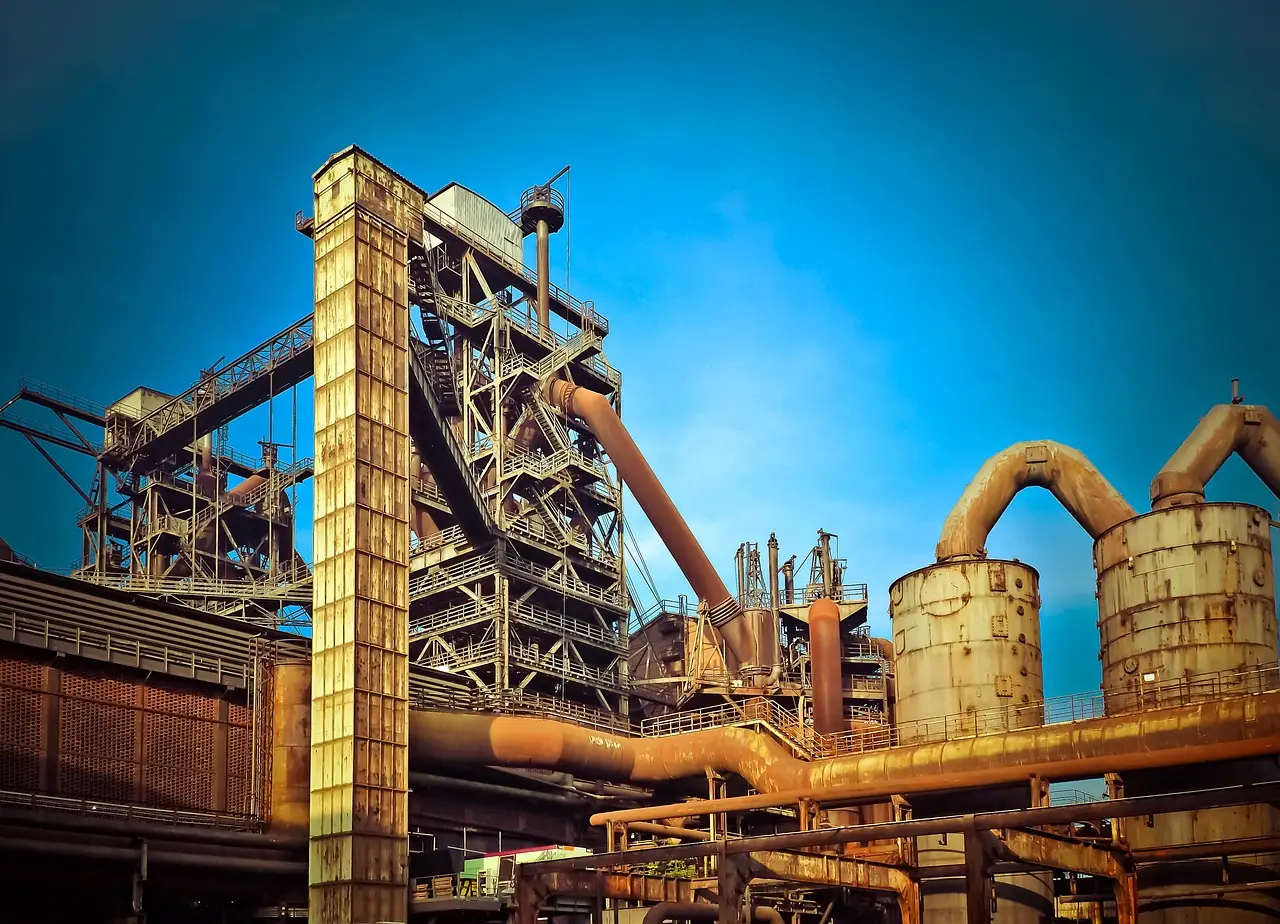
The largest industrial move came last week, when BASF started up a new MDI plant at its Geismar Verbund site in Louisiana. The investment totaled around USD 1 billion and lifts annual MDI capacity at the site to roughly 600,000 tonnes.
That scale matters for buyers of polyurethane feedstocks. Geismar's capacity now sits near the top tier of single-site MDI production in North America, adding volume into a market where nameplate additions have been scarce and outages routinely move contract prices. Importers and formulators who run REACH or EPA paperwork on isocyanate supply chains should expect the new volume to weigh on regional availability from 2027 planning cycles onward.
The takeaway: BASF is putting a billion dollars into organic chemicals capacity in the US while declining to pay up for a European specialty platform.
What's happening in ag and methanol?
The agricultural unit is pushing commercialization alongside the chemicals build-out. BASF Agricultural Solutions reported progress on 17 November in the global rollout of its Nemasphere technology, with soybean varieties carrying the trait slated to reach the US and Brazilian markets from 2028. BASF puts the peak sales potential at more than EUR 300 million — a meaningful, if not transformational, contribution to the division's pipeline from the end of the decade.
A separate partnership announced on 18 November pairs BASF with DWE to bring modular units for sustainable methanol production to market faster. The setups would combine DWE's power-to-liquid technology with BASF's SYNSPIRE catalysts. For operators weighing decarbonized methanol routes, the pairing targets the two usual bottlenecks at once: modular plant delivery and catalyst performance in CO2-based synthesis.
The signal here is that BASF is monetizing catalyst know-how through partnerships rather than building green-methanol plants on its own balance sheet.
Where does this leave BASF?
Taken together, the moves sketch a company content to walk away from a contested acquisition while funding organic expansion and bolt-on collaborations — and returning cash to investors along the way.
The sequence in one week tells the story: walk from Evonik, fire up Geismar, hand mining solutions to SNF, advance Nemasphere, and license out methanol chemistry with DWE. Each step keeps capital inside businesses BASF already runs well.
Discipline over deal-making — that's the whole message from Ludwigshafen.
via Google News — Specialty Chemicals (Source)
More from Marcus Bennett
Show full bio
Correspondent covering money, funding and market shifts around Chemicals Weekly is the trade press at Chemicals Weekly.
64 articles