TEST RECORD
- DATE
- November 23, 2026
- DESK
- POLICY & REGULATION
- READ TIME
- 3 MIN
- WORDS
- 665
EU Auditors: PFAS Rules Too Slow, Most Forever Chemicals Unregistered
ECA auditors say most PFAS are unregistered under REACH, restrictions take about five years, and 7 g of anchovies at legal PFAS limits can exceed a person's tolerable weekly intake.
SPECIFICATION
- 1
PFAS-linked healthcare costs in Europe are estimated at €52–84 billion a year.
- 2
Most PFAS are not registered under REACH; EU restriction procedures take around five years on average.
- 3
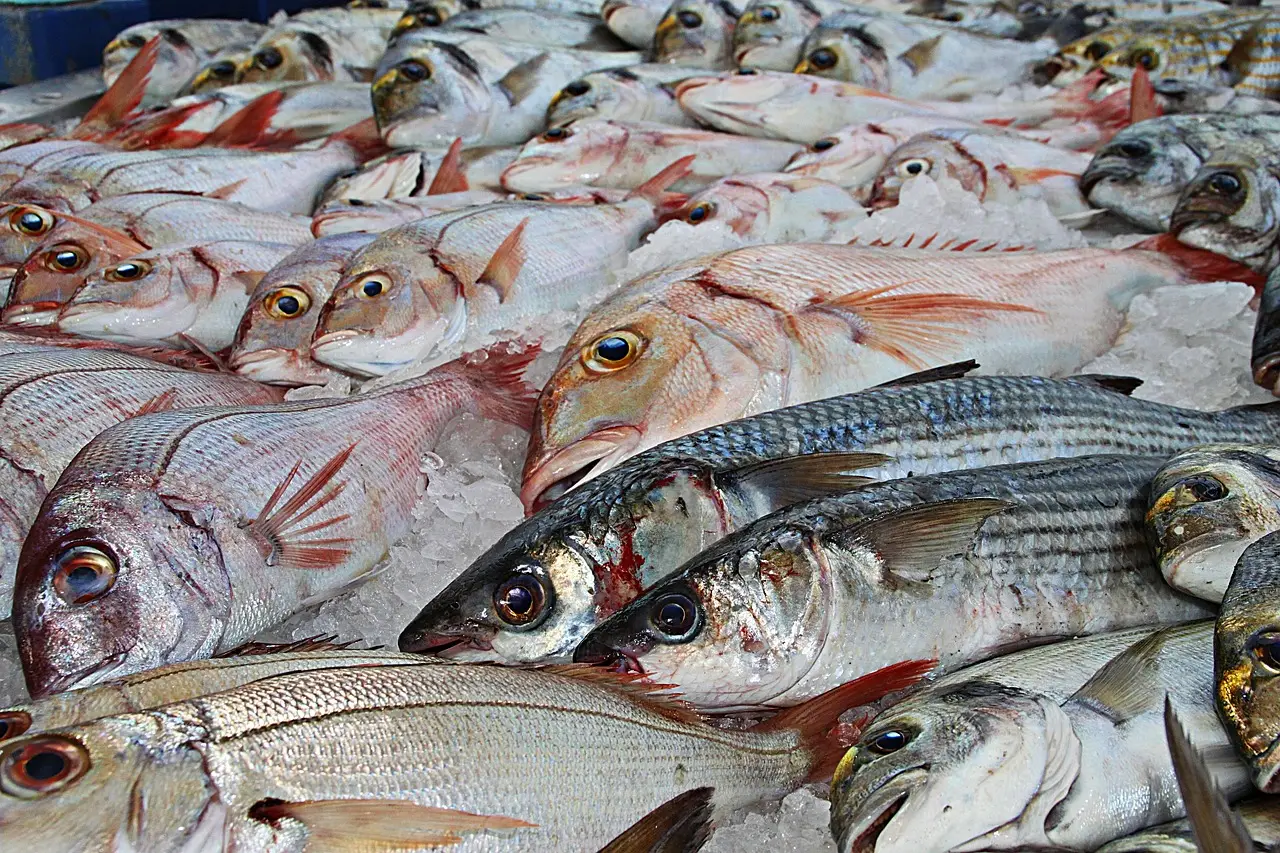
At maximum permitted PFAS levels, roughly 7 g of anchovies or 39 g of wild salmon can exceed tolerable weekly intake.
- 4
Five countries proposed an EU-wide restriction on all PFAS in 2021; no new EU PFAS restrictions have been launched since.
- 5
One in three EU member states carries out no checks enforcing PFAS restrictions.
PFAS-related healthcare costs in Europe run at €52–84 billion a year, and the EU's regulatory system cannot keep pace with the chemicals driving that bill. That is the core verdict of a new report by the European Court of Auditors (ECA), which warns that most PFAS are not registered under REACH, restriction procedures take around five years on average, and even legal limits for food and drinking water do not guarantee safe long-term consumption.
"These chemicals may last forever, but there are ways to limit their harmful effects on people and the environment," said Joëlle Elvinger, the ECA Member responsible for the audit. "The EU must tackle this problem firmly and without delay to defuse this ticking time bomb before it is too late."
What is wrong with the current system?
The EU was among the first movers, restricting some PFAS as early as 2006. But the majority of these substances remain unregistered under REACH, meaning the EU holds little safety information on them and producers face no testing obligations. PTFE, used in non-stick cookware and waterproof clothing, is one such chemical. In practice, the auditors say, the EU's 'no data, no market' principle barely applies to PFAS — substances can stay on the market even when risk data is missing.
When the EU does act, the process drags. Restriction procedures average about five years, giving manufacturers time to swap a banned substance for a similar chemical that may be just as harmful — the practice known as 'regrettable substitution'. The auditors conclude the current system is simply not fit to deal with PFAS.
Enforcement is thin too. The system leans heavily on companies checking their own compliance, and one in three member states still carries out no checks at all to enforce PFAS restrictions.
Takeaway: most PFAS sit outside REACH registration, and where rules do exist, they arrive late and are under-policed.
How safe are the food and water limits?
Exposure comes mainly through food and drinking water, so the auditors examined both. Drinking-water limits have generally been complied with in recent years — but they rest on scientific evidence dating from 2017, and PFAS contamination in soil and water has kept building since. The auditors warn current limits could be breached more often in future, raising consumer health risks and pushing up water treatment costs. Almost a third of EU countries have already adopted additional national drinking-water limits of their own.
Food rules look worse. EU maximum levels are a compromise between protecting public health and keeping food on the market; they reduce contamination as far as reasonably achievable but do not necessarily make regular consumption safe over time. The auditors calculated that at maximum permitted PFAS levels, a person could exceed their tolerable weekly intake after eating:
- around 7 grams of anchovies
- 39 grams of wild salmon
- 181 grams of eggs
- 237 grams of beef
Takeaway: legal compliance at the supermarket does not equal safe exposure at the dinner table.
Is a broad EU restriction coming?
Not soon. Five countries proposed an EU-wide restriction covering all PFAS in 2021, but the scale and complexity of the dossier have held up progress. No new PFAS restrictions have been launched at EU level since, despite growing evidence of health and environmental risks.
At least two member states have stopped waiting and introduced tighter restrictions on consumer products than EU rules require. Until broader rules take effect, most forever chemicals can still be sold and used across the EU — and keep accumulating in bodies and the environment.
The EU has pledged to phase out PFAS except where uses are considered essential. Studies link exposure to cancer, infertility and hormonal disorders. Thousands of PFAS are estimated to be in manufacture and use, all built on the carbon-fluorine bond that makes them degrade extremely slowly.
Unless the EU moves faster and more firmly, the auditors warn, these chemicals will continue to outlast the very rules designed to control them.
via Google News — Chemical Regulation (Source)
More from Amara Osei
Show full bio
Senior reporter covering people, launches and day-to-day practice in Chemicals Weekly is the trade press at Chemicals Weekly.
50 articles