TEST RECORD
- DATE
- November 25, 2026
- DESK
- DEALS & MARKETS
- READ TIME
- 3 MIN
- WORDS
- 680
Leuna Chemical Site Gets 50-MW Solar Park on Former Landfill
InfraLeuna and LIVOS break ground on a 50-MW, €30 million solar park on a remediated landfill at the Leuna chemical site, feeding a 30-kV grid from July 2027 with 71,700 modules.
SPECIFICATION
- 1
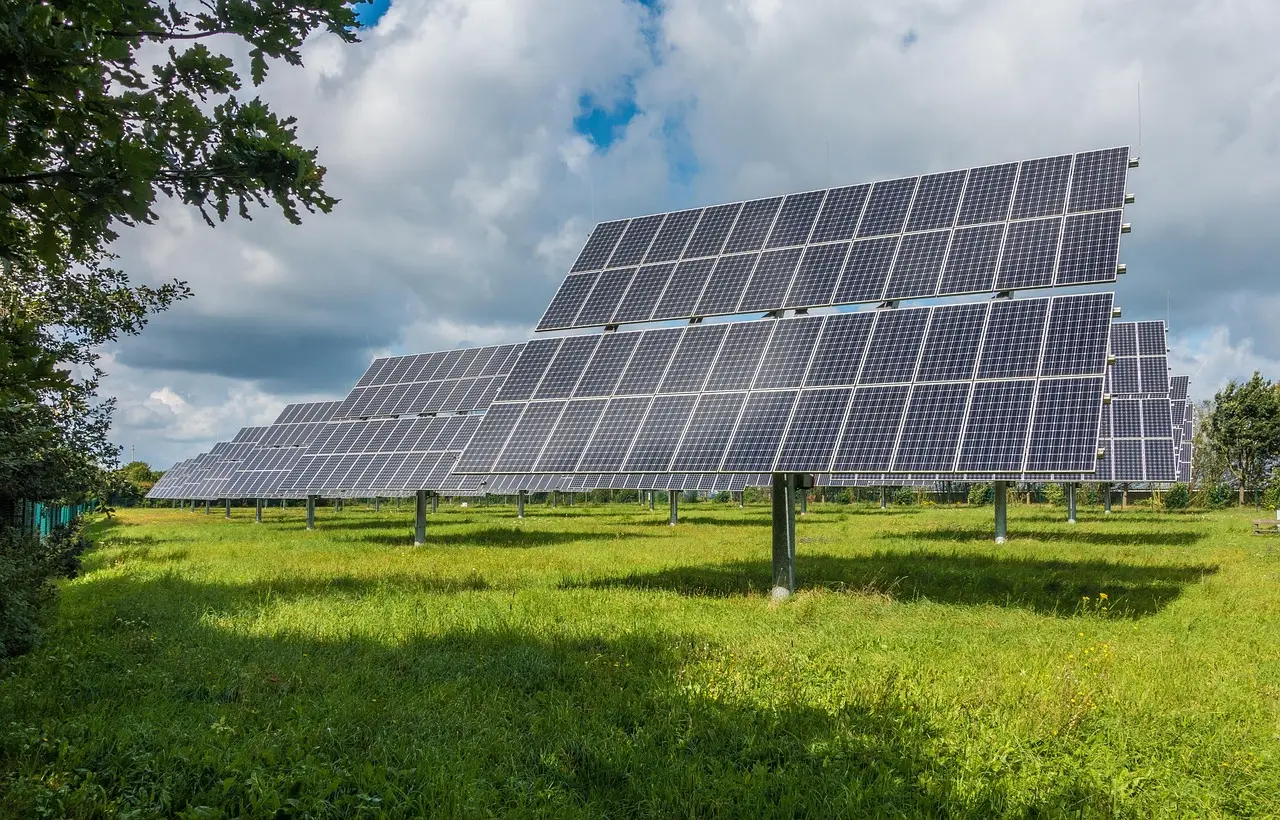
50-MW solar park with 71,700 modules on ~55 hectares of former landfill at Leuna, Germany
- 2
LIVOS invests approximately €30 million; operations scheduled for June 2027
- 3
Expected output of ~61,000 MWh per year, saving ~23,000 tonnes of CO₂ annually
- 4
Supply contracts finalized; power available to site companies from July 1, 2027
- 5
Possible future expansion of about 42 additional hectares
A 50-megawatt photovoltaic plant will rise on a former waste dump at the Leuna chemical site in Saxony-Anhalt, with InfraLeuna GmbH and the LIVOS Group breaking ground on the roughly €30 million project and first power flowing to site customers from July 1, 2027.
Operations are scheduled to begin in June 2027. LIVOS, on board since August 2025, will finance, build, own and operate the plant. InfraLeuna, the site's infrastructure operator, spent the years since 2021 preparing the project — a direct response to growing demand among chemical-park tenants for electricity from renewable sources.
What will the plant actually deliver?
Some 71,700 solar modules across approximately 55 hectares are expected to generate around 61,000 megawatt-hours of electricity annually — equivalent to the consumption of about 17,000 households and an estimated 23,000 tonnes of CO₂ avoided each year.
Those are developer figures, and they deserve context. The Leuna site's total electricity demand runs to roughly two-thirds of all household consumption in Saxony-Anhalt, so the park covers only a fraction of site needs. InfraLeuna's flexible on-site power plants will continue to supply electricity when renewable output falls short — a caveat the operator itself flags.
Why build on a landfill?
The site sits in the "Southern Expansion" of the waste dump, a former landfill for lime sludge, slag and ash from coal processing and incineration. MDSE Mitteldeutsche Sanierungs- und Entsorgungsgesellschaft mbH, a wholly owned state company and co-shareholder of InfraLeuna, owns the land and has secured it through a long-term lease.
"As the owner of the waste dump we have professionally remediated and decommissioned the site and continue to bear responsibility here for protecting people and the environment," MDSE Managing Director Ingolf Puritz said. He called the reuse sensible because it avoids consuming farmland and keeps transmission distances to the chemical site short.
A former landfill is not an easy build. InfraLeuna says the location posed special challenges in planning, construction and water balance. The preparatory work — project development, basic engineering, urban land-use planning and connection preparations for InfraLeuna's 30-kV medium-voltage grid — involved Dornier Power and Heat GmbH, G.U.T. Gesellschaft für Umweltsanierungstechnologien mbH, IPROconsult GmbH and Froelich & Sporbeck. The City of Leuna led the amendment of zoning and land-use plans.
What do the partners say?
"With this solar park, we are adding another important component to the energy supply at the chemical site," InfraLeuna Managing Director Dr. Christof Günther said. He noted the new facility enables delivery of green electricity meeting strict European standards, developed over several years with LIVOS secured as implementation partner.
"The electricity is used right where it's needed — on a former landfill site that we're giving a new purpose," said Maximilian Jahr of LIVOS Group.
District Administrator Sven Czekalla of the Saale District framed the stakes in employment terms: "Where slag and ash were once stored, clean electricity is now being generated for one of eastern Germany's most important industrial regions. The solar park reduces CO₂ emissions and makes Leuna less dependent on the energy market."
The groundbreaking drew state administration representatives from Saxony-Anhalt alongside the named executives.
Who gets the power?
InfraLeuna will take the generated electricity to supply its customers at the chemical site under supply contracts already finalized. LIVOS may sell any surplus — electricity not needed or sold at the site — to customers outside the park. That surplus margin is unspecified, and its size will depend on how much site demand the contracts absorb.
For chemical producers, renewable electricity carries weight beyond marketing: it cuts the carbon footprint of production and is a prerequisite for green hydrogen, which can serve as a feedstock for chemical and fuel products. No hydrogen project is named in connection with this park, however.
A further expansion of about 42 hectares is possible in future, though neither timeline nor investment for that phase has been announced.
From slag heap to 61,000 MWh a year — the plan is on paper, and June 2027 will judge it.
via Google News — Chemical Industry (Source)
More from Grace Kim
Show full bio
Staff writer covering money, funding and market shifts around Chemicals Weekly is the trade press at Chemicals Weekly.
46 articles