TEST RECORD
- DATE
- November 27, 2026
- DESK
- SPECIALTY CHEMICALS
- READ TIME
- 4 MIN
- WORDS
- 701
RLG Group to build ₹750-crore KSM plant in Assam
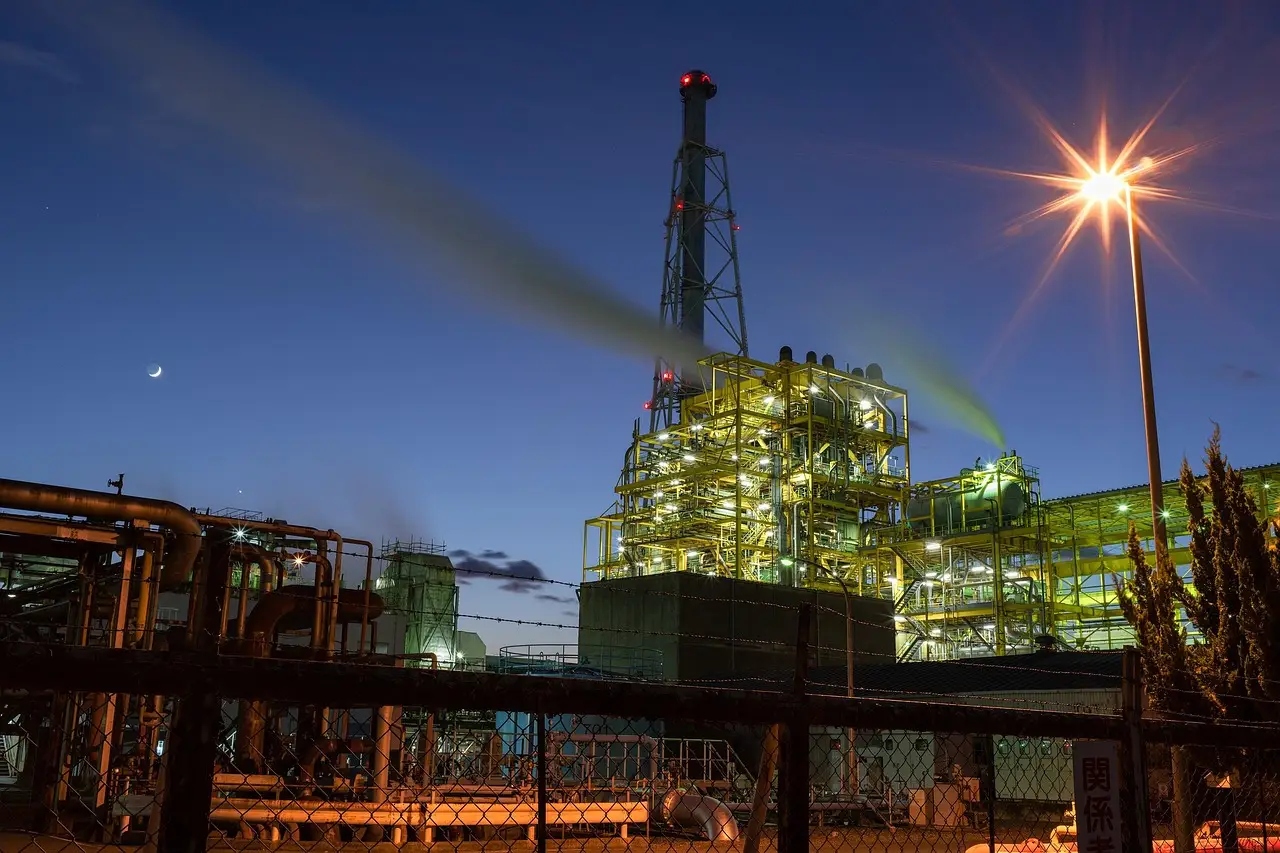
Assam's first pharma-industry infrastructure project breaks ground in Guwahati: a ₹750-crore, two-phase KSM plant by Numaligarh Industries LLP, fed by carbon monoxide from Numaligarh Refinery and methanol from Assam Petro-Chemicals.
SPECIFICATION
- 1
₹750-crore KSM plant foundation laid in Guwahati on Tuesday, expected to create 300+ direct and indirect jobs.
- 2
RLG Group invests across two phases via Numaligarh Industries LLP under an Advantage Assam 2.0 MoU.
- 3
Numaligarh Refinery to supply carbon monoxide; Assam Petro-Chemicals to supply methanol.
- 4
A new 6 million-tonne-per-year refinery is planned, fed by a crude pipeline from Paradip, Odisha, now under construction.
- 5
Project is billed as Assam's first pharmaceutical-industry manufacturing infrastructure.
A ₹750-crore (roughly $90 million) integrated pharmaceutical Key Starting Materials plant broke ground in Guwahati, Assam, on Tuesday, with the state government projecting more than 300 direct and indirect jobs from the two-phase investment.
The ceremony, led by Chief Minister Himanta Biswa Sarma, marks the first pharmaceutical-industry manufacturing infrastructure in Assam, according to his office. First reported by PTI.
What is being built, and by whom?
The plant will be set up by Numaligarh Industries LLP under a memorandum of understanding signed during the Advantage Assam 2.0 Investment and Infrastructure Summit. RLG Group will invest around ₹750 crore in the project across two phases.
The chief minister framed the project as a turning point for a state that has, until now, sat outside India's pharmaceutical manufacturing map. The project would, in his words, pave the way for pharmaceutical industry infrastructure in Assam for the first time and create a new industrial ecosystem for manufacturing high-value products.
A caveat: ₹750 crore is a modest ticket by Indian chemical-sector standards, and the figure is spread over two phases. What the second phase contains, its timetable, and the specific KSMs to be produced were not disclosed at the foundation-laying. No commissioning date was announced.
Where does the feedstock come from?
The plant's economics rest on integration with two existing public-sector units nearby.
- Numaligarh Refinery Ltd (NRL) will supply carbon monoxide, a basic building block for several pharma intermediate chemistries.
- Assam Petro-Chemicals Ltd (APL) will provide methanol, which the KSM plant will consume as a feedstock.
Sarma said the arrangement would generate commercial benefits for both public sector enterprises. APL, in particular, would gain "a major and consistent buyer" for its methanol production — a point worth noting, since captive demand of this kind stabilises utilisation at the supplier's plant rather than leaving it exposed to merchant methanol pricing.
The investment will also support NRL's stated effort to build a petrochemical and ancillary-industry cluster around its refinery complex. The chief minister said the project will facilitate greater commercial utilisation of refinery products, enable higher value addition, and create opportunities to attract further private investment in petrochemical manufacturing.
What was not specified: the tonnage of carbon monoxide or methanol contracted, the pricing mechanism between the companies, or whether the offtake terms are locked into the MoU or still under negotiation.
Is there crude behind the plan?
Yes — and it is large. Sarma said efforts are underway to establish a new refinery with a capacity to process 6 million metric tonnes of crude oil annually in Assam. The crude will be transported from Paradip in Odisha via pipeline, and pipeline construction, according to the chief minister, is "progressing rapidly."
The 6 million tonne per annum figure, if realised, would substantially enlarge the feedstock base available to downstream units at Numaligarh. Readers will recognise the gap between an announced refinery and an operating one, however; no commissioning timeline was given.
Why does it matter for pharma supply chains?
KSMs — the earliest chemical building blocks in pharmaceutical synthesis, upstream of advanced intermediates and active pharmaceutical ingredients — have been a persistent weak link in India's drug-manufacturing base, with heavy historic dependence on Chinese imports. State-backed capacity in this segment, especially when anchored to domestic refinery and methanol streams, is a structural development rather than a single-plant story.
Sarma said the project is expected to place Upper Assam on the map as a new hub for petrochemical products and the raw materials needed by the pharmaceutical industry.
The project is expected to generate more than 300 direct and indirect employment opportunities. Sarma added that the initiative would help local people find livelihood opportunities in their own region without migrating outside Assam in search of work — an implicit acknowledgement that out-migration for industrial employment has been the regional norm.
What to watch
The stated commitments are clear: ₹750 crore, two phases, 300-plus jobs, CO from NRL, methanol from APL, and a 6-million-tonne refinery linked by a Paradip pipeline. What remains unsaid — product slate, phase-one capacity, offtake volumes, commissioning dates — will determine whether this foundation stone becomes capacity on the ground.
via Google News — Specialty Chemicals (Source)
More from Grace Kim
Show full bio
Staff writer covering money, funding and market shifts around Chemicals Weekly is the trade press at Chemicals Weekly.
65 articles