TEST RECORD
- DATE
- November 22, 2026
- DESK
- INDUSTRIAL GASES
- READ TIME
- 3 MIN
- WORDS
- 513
Utility Global and Tata Steel Launch FEED for 10-Tonne-per-Day Hydrogen Unit
Utility Global and Tata Steel start FEED on a 10-tonne-per-day H2Gen hydrogen unit at Kalinganagar, Odisha, Utility's largest deployment to date and its first in India.
SPECIFICATION
- 1
10 tonnes per day of clean hydrogen planned at Tata Steel's Kalinganagar works in Odisha
- 2
FEED study will support a final investment decision; no FID date disclosed
- 3
Utility Global's largest H2Gen deployment announced globally and its first in India
- 4
Tata Steel targets 40 MTPY capacity in India and net zero by 2045
- 5
India runs more operating blast furnaces than any country outside China
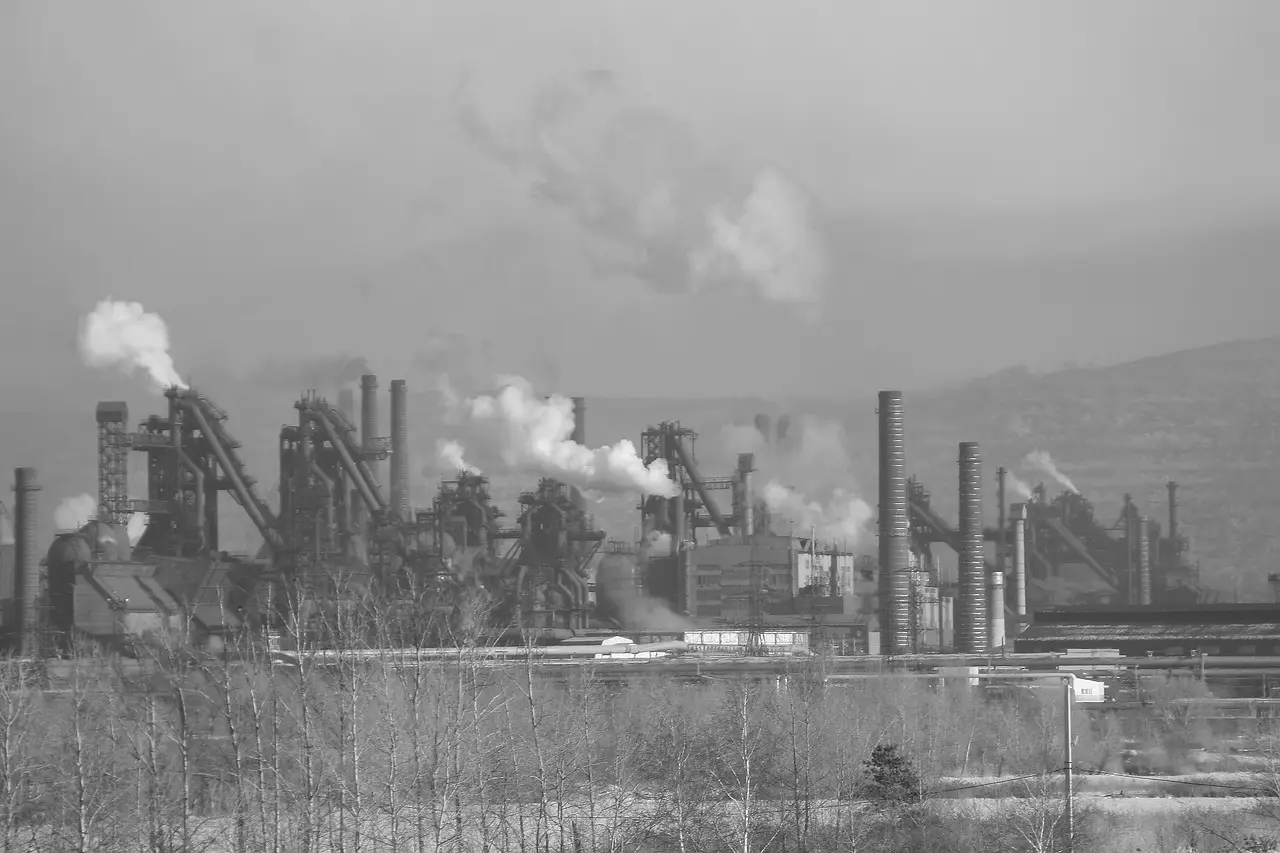
Utility Global (Houston) and Tata Steel (Mumbai) will run a joint front-end engineering and design (FEED) study for a 10-tonne-per-day clean hydrogen unit at Tata Steel's integrated steelworks in Kalinganagar, Odisha. The FEED will feed a final investment decision (FID) on the H2Gen project.
The planned unit takes a blast furnace gas and basic oxygen furnace gas mix and produces hydrogen from water — without electricity — using residual energy in the off-gases. The process also yields a separate, concentrated CO2 stream, which cuts the cost and complexity of carbon capture. At Kalinganagar, the hydrogen can be injected back into the blast furnace.
Bottom line: Utility claims one of the cheapest decarbonization routes for hard-to-abate plants by turning waste gas into hydrogen on site.
Why India, and why this scale?
The Kalinganagar unit would be Utility Global's largest industrial H2Gen deployment announced globally and its first announced in India. The company sees India as its biggest single target market: the country runs the largest number of operating blast furnaces outside China and is the fastest-growing steelmaking market in the world.
Tata Steel ranks tenth globally by annual crude production and is building toward 40 million tonnes per year (MTPY) of capacity in India. The expansion tracks the broader economy, which is growing at nearly 8% per year.
The project supports Tata Steel's net-zero target for 2045.
What do the partners say?
"For any technology to make a meaningful contribution to steel decarbonization, it needs to work at the scale and complexity of an operating steel plant," said Subodh Pandey, vice president – technology, R&D, new materials business and graphene at Tata Steel. "Technologies like H2Gen give us the opportunity to pursue emissions reduction while leveraging the existing infrastructure. Our collaboration with Utility Global marks another pivotal milestone in Tata Steel's journey toward deeper operational decarbonization."
"This planned project is our largest commercial H2Gen deployment announced globally, and it places us in India, the fastest-growing steel market in the world, which is also our largest single target market, alongside one of its largest producers," said Utility Global CEO Parker Meeks. "That is exactly what H2Gen was built to do, creating value by extending the economic life of industrial assets."
Meeks added that Utility Global's systems are built to integrate with existing industrial infrastructure and processes, keeping plants competitive while they decarbonize.
How does it fit Tata's low-carbon portfolio?
Tata Steel runs steel operations in India, the UK, the Netherlands and Thailand and is scaling breakthrough technologies across carbon capture, utilization and storage and other decarbonization pathways. The Kalinganagar H2Gen deployment would slot into that portfolio as a retrofit play on existing blast furnace assets rather than a replacement.
Utility Global is a portfolio company of Ara Partners Group (Houston), a private equity and infrastructure firm focused on decarbonizing the industrial economy.
The takeaway: a 10-tonne-per-day unit is small in tonnage but large as a proof point — the first H2Gen shot at India's blast furnace fleet.
via utilityglobal.com (Original)
More from Amara Osei
Show full bio
Senior reporter covering people, launches and day-to-day practice in Chemicals Weekly is the trade press at Chemicals Weekly.
50 articles