TEST RECORD
- DATE
- November 19, 2026
- DESK
- POLYMERS & RESINS
- READ TIME
- 3 MIN
- WORDS
- 681
Borouge opens Burghausen HMS PP plant after over €100m investment
Borouge International opened its Burghausen HMS PP plant on 17 November 2026; more than €100m of investment tripled site capability and supports its 13.8m t/y target.
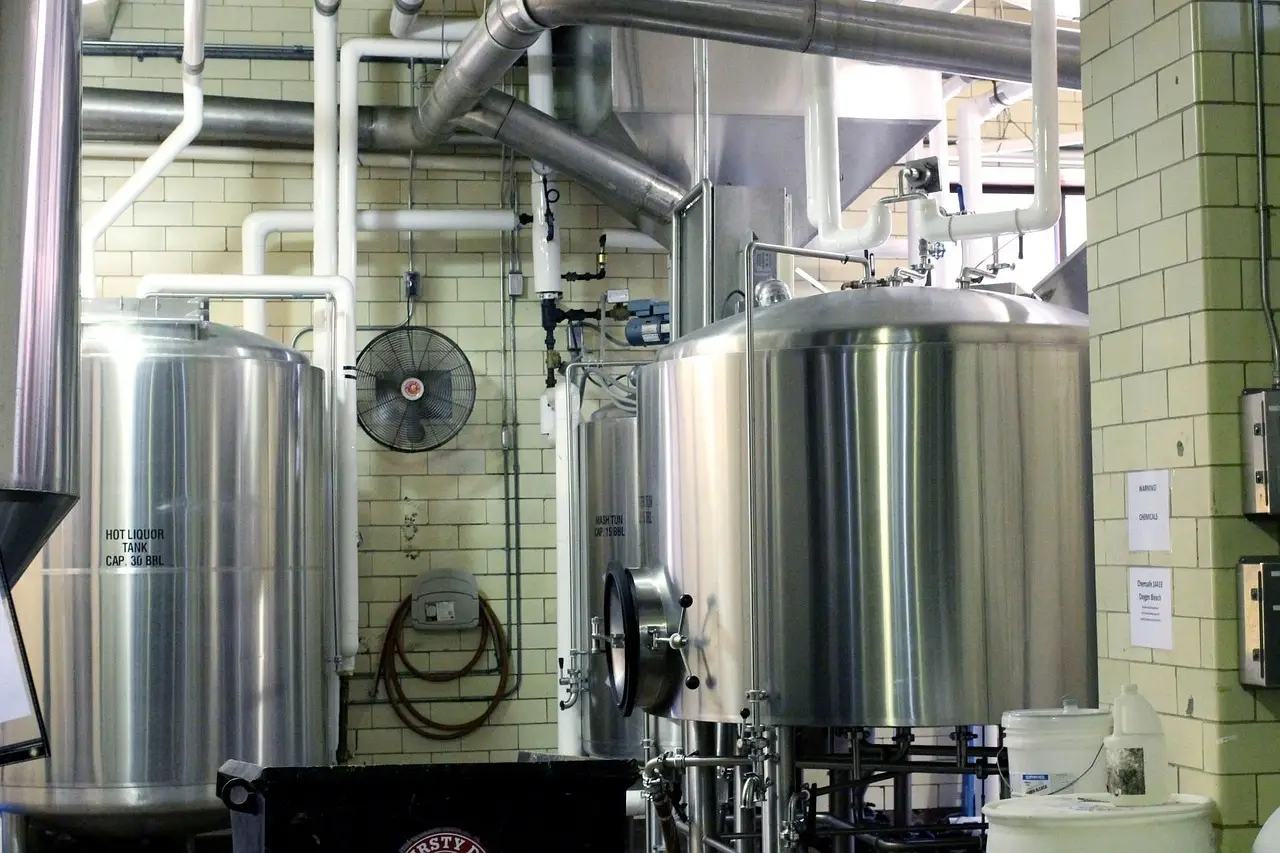
Borouge International inaugurated its high-melt-strength polypropylene (HMS PP) facility in Burghausen, Germany, on 17 November 2026, following an investment of more than €100 million to triple production capability at the site.
The company says the start-up addresses demand for recyclable, high-performance foam solutions and strengthens European supply of advanced polypropylene. It discloses no incremental tonnes per year, utilization rate, ramp-up schedule, demand forecast or customer contracts.
What changed at Burghausen?
Borouge describes the investment as a step toward a larger European manufacturing footprint and a strategic role for Burghausen within Bavaria’s chemical industry. It presents the project as support for long-term economic growth in Bavaria but gives no jobs, tax contribution, energy demand or local procurement figures.
Executive Board members Roger Kearns, chief executive officer, and Dr Hasan Karam, chief operating officer, joined the opening with Florian Schneider, mayor of Burghausen, and Ingrid Heckner, deputy district administrator of Altötting.
Roger Kearns, chief executive officer, said: “This inauguration demonstrates our confidence in Europe as a key market for advanced polyolefin solutions. By tripling our HMS PP production capability, we strengthen supply reliability for customers, expand our presence in attractive growth markets and create long-term value for shareholders and society.”
His statement links capacity to supply reliability, market presence and shareholder value, but Borouge published no customer names, shipment volumes or planned utilization for the expansion.
Florian Schneider called the opening a strong signal for Burghausen as an industrial location and for the future of the Bavarian Chemical Triangle. He said competitiveness, technological innovation and sustainability can go hand in hand, and that producing recyclable plastics in Burghausen supports a circular economy. Schneider also argued that investment during challenging economic times is essential to strengthen the industrial base and secure its long-term competitiveness.
Dr Hasan Karam, chief operating officer, said: “The successful start-up of this new HMS PP facility demonstrates our strong commitment to safety, operational excellence and disciplined execution. By leveraging years of manufacturing expertise at Burghausen, we have strengthened security of supply for specialty polypropylene used in high-performance foam solutions across Europe.”
The company supplied no safety-performance data, supply-volume target or comparative benchmark to test those claims.
What can the new polypropylene grade do?
Borouge developed Daploy™ HMS PP using proprietary technology from its Innovation Center in Linz, Austria. The company says the grade combines the ability to form foam, low weight and mechanical strength. It says these properties can optimize material use, reduce product weight and lower associated carbon dioxide emissions.
No material-saving percentage, vehicle-weight reduction or lifecycle-emissions baseline accompanies those claims, leaving the environmental benefit unquantified in the announcement. Under its “Reduce, Reuse, Recycle” framework, Borouge positions the material for three sets of end uses:
- Packaging: Daploy can serve reusable coffee cups and food packaging; Borouge says its lightweight, recyclable properties support reuse and help packaging producers meet the EU Packaging and Packaging Waste Regulation (PPWR).
- Automotive: The grade can produce ultra-lightweight foamed interiors and under-the-hood components, which Borouge says can reduce vehicle weight and CO₂ emissions. As a single-material (mono-material) solution, it can support recycling at the end of vehicle life.
- Construction: In insulation and panelling systems, the grade replaces heavier materials while maintaining performance, reducing weight and improving material efficiency, according to Borouge.
The announcement does not identify packaging converters, vehicle manufacturers or construction-product customers, and it provides no application-specific capacity or performance data.
How does it fit Borouge’s 2030 target?
Borouge presents the investment as part of Europe’s role as a manufacturing, innovation and growth hub and as a step in its growth agenda and global expansion strategy. Its stated target is 13.8 million tonnes per year (tpy) of polyolefin capacity by 2030.
The announcement does not show how much of that target the Burghausen line contributes, whether the 13.8m tpy figure includes the new output or what utilization the company expects. The plant is operating, but its commercial scale and quantified environmental case remain unstated.
via Google News — Petrochemicals (Source)
More from Grace Kim
Show full bio
Staff writer covering money, funding and market shifts around Chemicals Weekly is the trade press at Chemicals Weekly.
46 articles