TEST RECORD
- DATE
- November 28, 2026
- DESK
- PETROCHEMICALS
- READ TIME
- 3 MIN
- WORDS
- 547
BPCL Board Clears ₹1.27 Lakh Crore Refinery-Petrochemical Complex
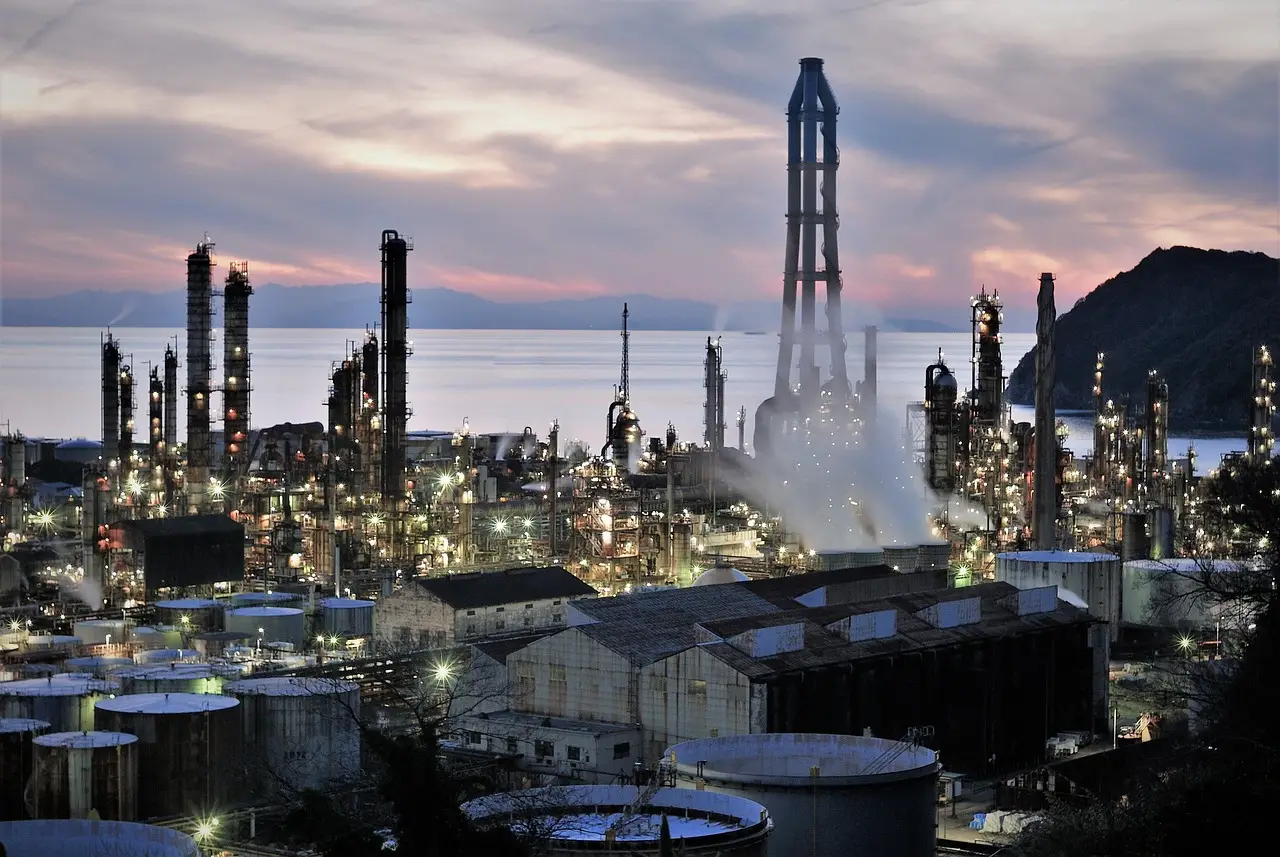
BPCL's board has approved a Rs 1,26,656 crore (+/-20%) greenfield refinery and petrochemical complex at Ramayapatnam: 9 MMTPA refining, a 1.5 MMTPA mixed-feed cracker, startup July 2032, pending regulatory approvals.
SPECIFICATION
- 1
BPCL board approved Rs 1,26,656 crore (+/- 20%) gross capex for a Ramayapatnam refinery-petrochemical complex on 28 November 2026.
- 2
The complex adds 9 MMTPA of crude capacity plus a 1.5 MMTPA mixed-feed ethylene cracker, for 10.5 MMTPA total throughput and ~34% petrochemical intensity.
- 3
Commercial operation is estimated for July 2032, subject to government, statutory and regulatory approvals.
- 4
BPCL's existing refining capacity is 35.3 MMTPA, utilised at 116.6% in FY 2025-2026.
- 5
Funding combines equity and debt through a wholly owned subsidiary.
Bharat Petroleum (BPCL) has approved a gross capital expenditure of Rs 1,26,656 crore — roughly $15 billion — for a greenfield refinery and petrochemical complex at Ramayapatnam, Andhra Pradesh, with commercial operation scheduled for July 2032. That figure carries a stated tolerance of +/- 20%, meaning the final bill could land anywhere from about Rs 101,000 crore to Rs 152,000 crore.
The board cleared the proposal at its meeting on Saturday, 28 November 2026, according to the company's press release. Approval, the company stressed, remains "subject to receipt of the applicable Government, Statutory and Regulatory approvals" — a caveat that leaves the timeline and configuration room to move before a single module ships.
What gets built at Ramayapatnam?
The integrated configuration comprises:
- A 9 MMTPA (million metric tonnes per annum) refinery
- A 1.5 MMTPA mixed-feed ethylene cracker with downstream petrochemical units
- Combined complex throughput of 10.5 MMTPA
- Petcochemical intensity of about 34% — the share of crude input converted into chemicals rather than fuels
BPCL will build the complex through a wholly owned subsidiary (WOS), the vehicle it will also use to raise financing. The company has selected a combination of equity and debt for the Rs 1,26,656 crore outlay.
Why now, and why this configuration?
The company's own numbers frame the rationale. BPCL currently operates 35.3 MMTPA of refining capacity, and utilisation ran at 116.6% in FY 2025-2026 — running above nameplate for a sustained period is not a comfortable position, and it signals that existing assets cannot absorb incremental demand.
"The Project is intended to address BPCL's widening deficit in key transportation fuels and India's growing petrochemical supply gap," the company said in its press release. That second clause matters for chemical buyers: India has been a structural importer of key polymers, and a 1.5 MMTPA mixed-feed cracker is a direct play at that gap.
The company frames the payoffs broadly. It expects the facility "to strengthen product availability, reduce import dependence in key polymers, improve value realization through refinery-petrochemical integration, diversify earnings and support downstream chemical and polymer industries," ANI reported, citing the company.
Every one of those verbs — strengthen, reduce, improve, diversify, support — is a promise, not a delivered outcome. July 2032 is more than five years out; cracker projects of this scale routinely slip, and the +/- 20% band on capex is itself an admission that costings are not yet firm.
What the announcement does not say
The release does not disclose the equity-debt split, the specific polymer slate downstream of the cracker, or the feedstock mix for the "mixed-feed" unit — naphtha versus gas feed ratios shape cracker economics materially, and none of that is public yet. No offtake agreements or anchor customers are named.
The board's approval follows earlier intimations dated 24 December 2024 and 28 October 2025, so the project has been in the works for nearly two years. Government, statutory and regulatory clearances — the kind that in India include environmental impact assessments and land acquisition — still stand between this board minute and a final investment decision in any practical sense.
For polymer buyers watching import dependence, the relevant date is not 28 November 2026. It is July 2032, plus whatever the approvals calendar adds.
via Google News — Petrochemicals (Source)
More from Grace Kim
Show full bio
Staff writer covering money, funding and market shifts around Chemicals Weekly is the trade press at Chemicals Weekly.
72 articles