TEST RECORD
- DATE
- November 19, 2026
- DESK
- PETROCHEMICALS
- READ TIME
- 4 MIN
- WORDS
- 702
Covestro and Fraunhofer Target BTEX from Shredded Car Wastes
Covestro and Fraunhofer UMSICHT will turn 466,000 t/yr of German shredder light fraction into BTEX feedstock, with 62 wt% aromatics in pyrolysis oil and halogens cut by up to 99%.
SPECIFICATION
- 1
Lab trials achieved 62 wt% BTEX in pyrolysis oil, about 60% more than conventional pyrolysis oils, with halogens reduced up to 99%.
- 2
Process emissions of ~1.1 t CO₂e per tonne of BTEX versus 1.6–1.8 t for steam cracking.
- 3
Germany generates over 466,000 t/yr of shredder light fraction; industrial-scale rollout could save up to 640,000 t CO₂e/yr.
- 4
CARBEX runs 09/2026–08/2029, scaling to a 10 kg/h continuous pilot targeting halogen content below 30 ppm.
- 5
EU ELVR mandates recyclate quotas for plastics in cars from 2032, partly sourced from end-of-life vehicles.
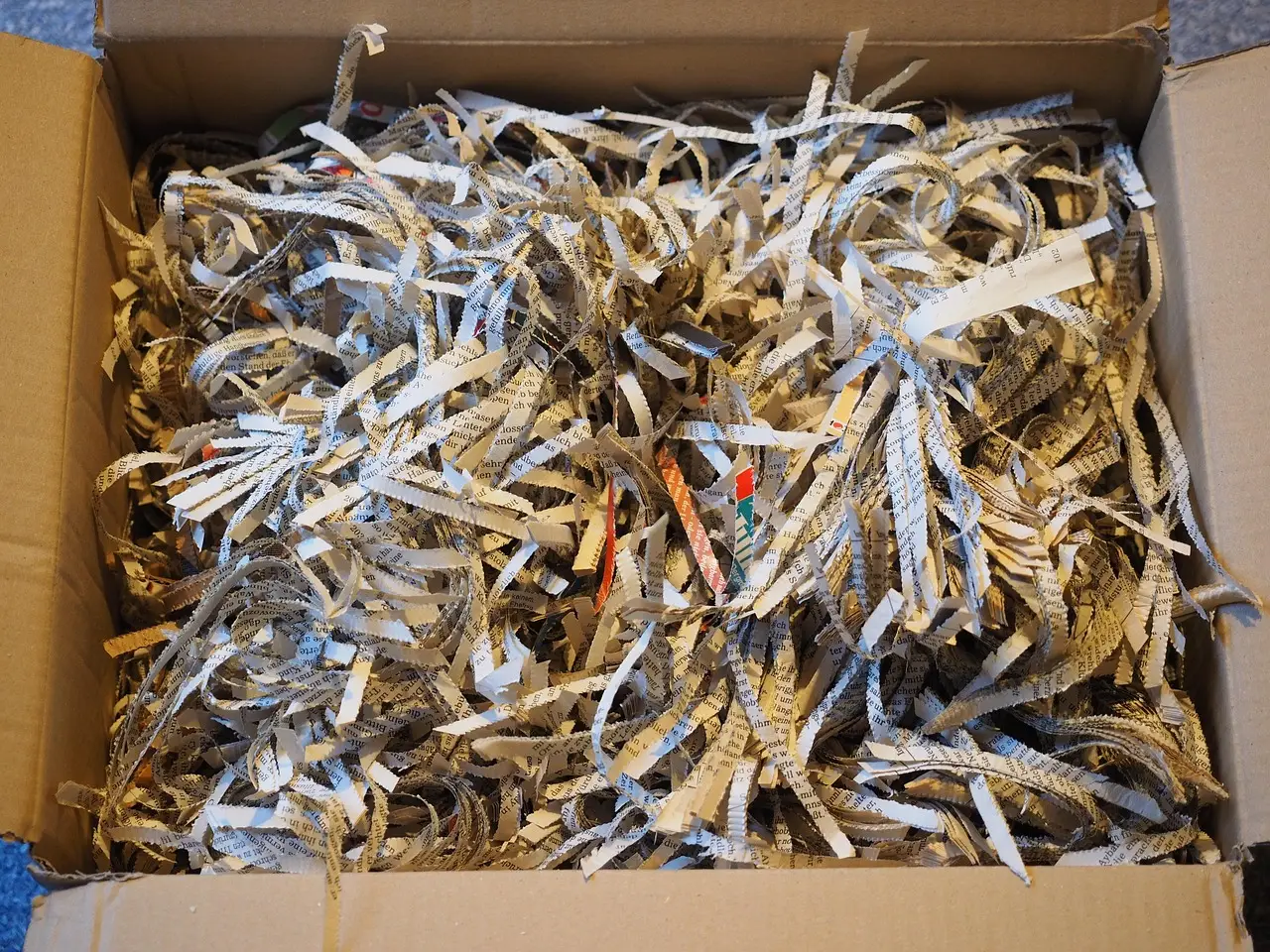
Covestro and Fraunhofer UMSICHT have launched CARBEX, a three-year project to pull benzene and toluene out of shredder light fraction (SLF) from end-of-life vehicles — a waste stream that Germany generates at more than 466,000 tonnes a year, with roughly 210,000 tonnes currently burned for energy or landfilled.
The prize is feedstock, not fuel. Covestro uses benzene to make MDI and toluene to make TDI — the isocyanates behind rigid insulation foams, mattresses, upholstered furniture and car seats. It's exactly those polyurethane-heavy parts that end up in the SLF when a vehicle is shredded. The polyurethane content of the stream averages 20 percent by weight, though it varies considerably by origin. CARBEX's pitch is a closed automotive loop: the car parts of today become the aromatics for the car parts of tomorrow.
What does the technology change?
The route rests on Fraunhofer UMSICHT's patented Pyromat process, which couples pyrolysis with downstream autocatalytic reforming. The clever part: the pyrolysis coke the process produces itself acts as both catalyst and adsorbent. At around 500 °C, coke constituents such as calcium carbonate, titanium dioxide and copper promote aromatics formation while binding halogens — chlorine and bromine — before they contaminate the pyrolysis oil.
That eliminates the external catalyst, which in real mixed waste would foul quickly and cost money. Dr. Thomas Fehn, project manager at Fraunhofer UMSICHT's Sulzbach-Rosenberg branch, said: "The Pyromat technology uses pyrolysis coke as both catalyst and adsorbent in one — this makes the process robust and cost-effective, especially for heavily contaminated waste streams."
Lab-scale SLF trials delivered numbers worth noting:
- BTEX content of 62 percent by weight in the pyrolysis oil — roughly 60 percent above conventional pyrolysis oils.
- Halogen content cut by up to 99 percent.
- Process emissions of about 1.1 tonnes CO₂e per tonne of BTEX — nearly 40 percent below the 1.6–1.8 tonnes for steam cracking.
Why the emissions math matters
Today's aromatics come overwhelmingly from steam cracking fossil naphtha. In Germany alone, that step causes around 8 million tonnes of CO₂-equivalent process emissions per year, plus roughly 11 million tonnes from crude oil extraction and naphtha production.
Dr. Stefanie Eiden, project manager at Covestro, said: "With CARBEX, we are tapping into a carbon source that has so far mainly been incinerated. If we can recover benzene and toluene from shredder light fraction in the quality required for our MDI and TDI production processes, we close a loop while at the same time replacing an emission-intensive step in basic chemicals production."
Scaled industrially, the partners calculate up to 640,000 tonnes of CO₂e savings per year in Germany, with feedstock-related emissions also falling as fossil naphtha is displaced.
How will the project run?
CARBEX runs from September 2026 to August 2029, funded by the German Federal Ministry of Research, Technology and Space under KlimPro-Industrie II. The work packages split along the value chain:
- Fraunhofer UMSICHT converts an existing fixed-bed pyrolysis reactor into a moving-bed unit, identifies stable process windows, and moves from lab to continuous pilot operation at 10 kilograms per hour.
- The pilot must deliver at least 50 kilograms of BTEX-rich pyrolysis oil with halogen contents below 30 ppm — the threshold for processing in large-scale industrial plants.
- Covestro develops a model-based distillative separation concept for benzene and toluene, validates the outputs in MDI and TDI application pathways, and prepares a techno-economic analysis.
- Carbon Minds GmbH handles the ISO-compliant cradle-to-gate life cycle assessment as an independent partner.
After the project closes, the partners plan a TRL 7 demonstration plant based on the results.
Who needs to watch this?
The market context is real: Germany produces more than 2.6 million tonnes of aromatics a year, worth around €1.95 billion. And regulation is tightening — the EU End-of-Life Vehicles Regulation (ELVR) mandates recyclate content quotas for plastics in cars from 2032, with part of that recyclate required to come from end-of-life vehicles. Chemically recycled polyurethane via the CARBEX route could count toward those quotas.
For aromatics buyers and PU producers, that's a compliance hook as much as a carbon one.
via Google News — Chemical Industry (Source)
More from Marcus Bennett
Show full bio
Correspondent covering money, funding and market shifts around Chemicals Weekly is the trade press at Chemicals Weekly.
64 articles