TEST RECORD
- DATE
- November 19, 2026
- DESK
- PETROCHEMICALS
- READ TIME
- 3 MIN
- WORDS
- 655
India Targets $1 Trillion Chemicals Sector by 2047 with Parks and ₹1 Lakh Crore R&D Fund
India's $220 bn chemicals sector is being steered to $1 trillion by 2047 via PCPIR clusters, ₹3,030 crore in new chemical parks and a ₹1 lakh crore R&D fund.
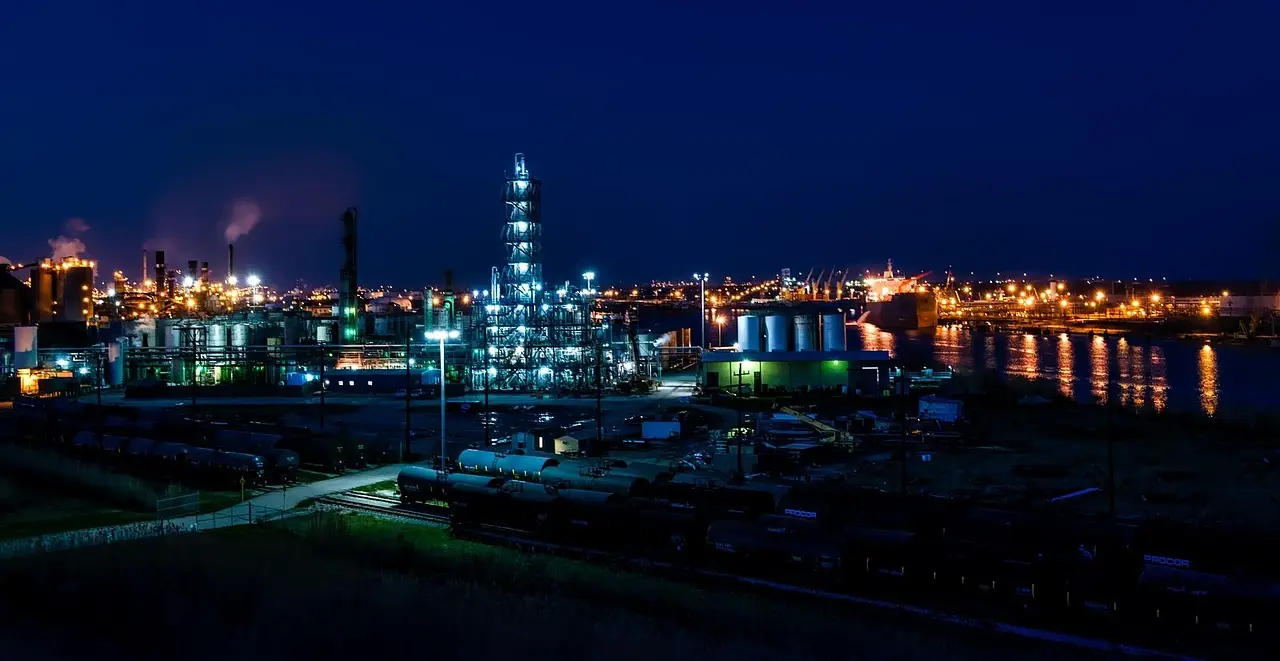
India's chemicals and petrochemicals sector, valued at about US$220 billion today, is being steered toward a US$1 trillion valuation by 2040 — a target policymakers now frame as a core pillar of industrialisation rather than a supporting industry.
The numbers behind the ambition are already moving. Output of major chemicals and petrochemicals climbed from 45,638 thousand tonnes in 2015-16 to 58,617 thousand tonnes in 2024-25. Projections put the sector at US$300 billion by 2030 before the push into the following decade, according to Indian Chemical News.
What does India's manufacturing base look like today?
India ranks as the world's sixth-largest chemicals producer and fourth-largest in Asia. It holds the second spot globally in dye manufacturing and exports, and third in agrochemical exports.
The footprint is spread thin and wide: roughly 13,000 large-scale units plus 445,000 micro, small and medium enterprises. That makes it one of the country's most distributed industrial ecosystems, feeding downstream demand from pharmaceuticals, agriculture, textiles, construction, autos, electronics and consumer goods.
How much foreign capital has come in?
Most chemical segments allow 100 per cent foreign direct investment through the automatic route — no prior government approval needed. FDI inflows reached ₹1,04,895 crore between 2014 and 2026, more than double the ₹45,240 crore recorded from 2004 to 2014.
The open question, as the report puts it, is whether India converts that capital into globally competitive manufacturing clusters rather than isolated capacity additions.
What are the PCPIR clusters delivering?
Petroleum, Chemicals and Petrochemicals Investment Regions (PCPIRs) are integrated zones where plants sit alongside shared utilities. Each covers roughly 250 sq km, with about 40 per cent of land reserved for processing. They provide roads, rail, ports, water, steam, common effluent treatment and sewage disposal.
Three PCPIRs are operational: Dahej in Gujarat, Visakhapatnam-Kakinada in Andhra Pradesh and Paradeep in Odisha. Together they have pulled in ₹3.4 lakh crore of investment, generated 370,000 jobs and supported more than 2,200 chemical manufacturing units.
What is the BHAVYA Rasayan scheme?
Cleared in July 2026 with a total outlay of ₹3,030 crore, the scheme will build three dedicated chemical parks — ₹3,000 crore for common infrastructure and utilities, ₹30 crore for administration.
Each park must span at least 8 sq km, or 2,000 acres. The Union government will grant up to ₹1,000 crore per park, but only where the host state contributes at least ₹500 crore. The scheme runs five years, FY27 to FY31, and is designed as plug-and-play: centralised effluent treatment, storage, disposal and hazardous waste management come built in.
What about plastics downstream?
The Scheme for Setting up of Plastic Parks funds up to 50 per cent of project cost, capped at ₹40 crore per project, with states and industry funding the balance. Ten plastic parks have been approved; four have completed infrastructure, three of them in 2025-26. Waste management and recycling are built into the model.
Where does R&D and skills fit?
The government's ₹1 lakh crore Research, Development and Innovation scheme launched in November 2025 to mobilise private research investment through long-term financing. Advanced Chemicals, Petrochemicals and Material Technologies became eligible areas from October 8, 2026 — targeting higher-value segments where India has depended on imports.
On safety, the Chemical Promotion and Development Scheme funds farmer training on safe pesticide use and Integrated Pest Management. HIL (India) Limited has run programmes since 2016; the Institute of Pesticide Formulation Technology joined in 2022-23. By August 2026, more than 250 programmes had reached over 100,000 farmers.
The skills pipeline runs through CIPET, the Central Institute of Petrochemicals Engineering and Technology, which has trained 672,000 professionals across skilling centres, plastic waste management centres and advanced research schools.
India is betting investment openness, cluster infrastructure and R&D money can hold together for 15 years.
via Google News — Petrochemicals (Source)
More from Amara Osei
Show full bio
Senior reporter covering people, launches and day-to-day practice in Chemicals Weekly is the trade press at Chemicals Weekly.
50 articles