TEST RECORD
- DATE
- November 20, 2026
- DESK
- PETROCHEMICALS
- READ TIME
- 2 MIN
- WORDS
- 417
Daya Bay zone posts $36bn output, anchors APEC chemical flows
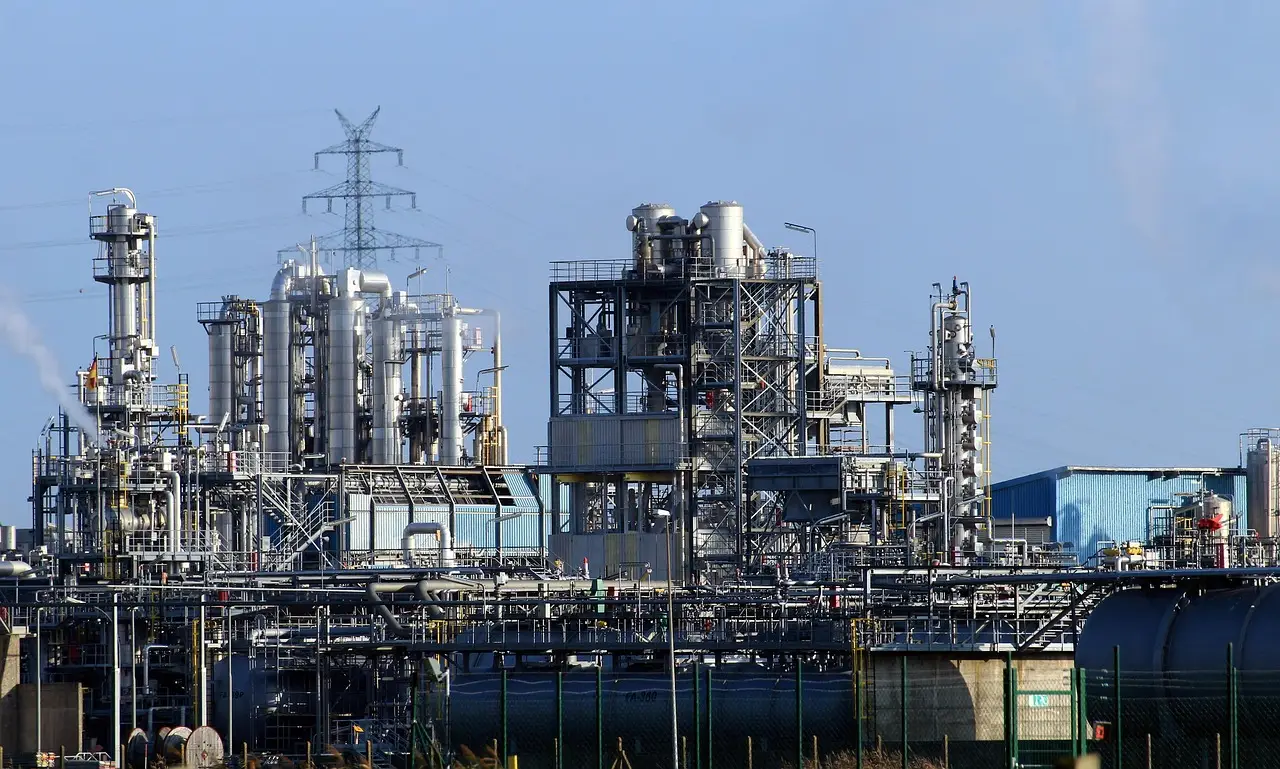
Daya Bay Petrochemical Zone in Huizhou posted US$36bn industrial output in 2025. Shell, ExxonMobil and 11 more Fortune 500 firms run 100+ chemicals through its port and pipelines.
SPECIFICATION
- 1
Daya Bay Petrochemical Zone industrial output hit US$36 billion in 2025
- 2
The zone in Huizhou, Guangdong produces more than 100 types of chemicals
- 3
13 Fortune Global 500 companies, including Shell and ExxonMobil, operate in the park
- 4
Deep-water port, fast customs and pipeline networks link plants to overseas markets
- 5
Rail-sea intermodal transport extends the zone's reach to wider supply chains
Industrial output at the Daya Bay Petrochemical Zone reached US$36 billion in 2025. That single figure explains why petrochemical cargoes across the Asia-Pacific region keep flowing through this corner of Huizhou, Guangdong Province, in southern China.
The zone produces more than 100 types of chemicals. Its core logic is simple: one company's output often becomes another's raw material. Refineries, chemical plants, ports, pipelines and railways sit physically connected inside a single park. That arrangement cuts transaction friction and freight cost for buyers who normally piece together supply chains across borders.
Who operates there?
Shell and ExxonMobil anchor the site, alongside other industry giants. In total, 13 Fortune Global 500 companies have operations inside the zone. That concentration matters for procurement teams. It means feedstock (the raw material converted into chemicals), intermediate products and finished goods are available within a few kilometres of each other.
What does the logistics setup change for buyers?
The zone's competitive edge is not capacity alone. Three pieces of infrastructure do the work:
- A deep-water port that handles ocean-going chemical tankers directly
- Efficient customs clearance that shortens dwell time for imports and exports
- An extensive pipeline network linking plants to each other and to the docks
Rail-sea intermodal transport (containers moving between trains and ships without repacking) connects the zone to wider supply chains beyond Guangdong. For chemical traders, that means a single booking can move product from a Daya Bay producer to inland China or overseas markets.
Why APEC flows route through it
The zone functions as a hub for Asia-Pacific supply chains. Producers inside the park ship intermediates and finished chemicals to customers across the region, while imported feedstocks arrive through the same deep-water berths. The 100-plus product slate gives buyers a broad basket from one location, which reduces the number of counterparties and shipping legs in a typical procurement cycle.
For companies filing import paperwork, the efficient customs regime at Daya Bay also trims clearance time — a real cost line when cargo sits in a tank farm waiting for release.
The bottom line
Daya Bay shows how co-location beats scattered capacity. When a refinery's cracked output feeds a neighbouring derivatives plant through a pipe, and the finished product leaves by deep-water berth the same week, the whole chain gets cheaper and faster. That is the mechanism behind the $36 billion figure — and the reason APEC petrochemical flows keep passing through Daya Bay rather than around it.
via Google News — Petrochemicals (Source)
More from Sophie Lindqvist
Show full bio
News editor covering regulation, policy and their impact on Chemicals Weekly is the trade press at Chemicals Weekly.
53 articles