TEST RECORD
- DATE
- November 20, 2026
- DESK
- PETROCHEMICALS
- READ TIME
- 3 MIN
- WORDS
- 580
Jam Petrochemical restarts at 80% after US-Israeli attack
Jam Petrochemical resumed on June 14 at about 80% of nominal capacity; its hit butadiene unit remains offline, with repair and restart estimated at about two years.
SPECIFICATION
- 1
Jam Petrochemical's production lines restarted on June 14 at about 80% of nominal capacity.
- 2
The complex was attacked around 2 p.m. local time on Monday, April 6, 2026.
- 3
The directly hit butadiene unit remained offline, with repair and restart estimated at about two years.
- 4
Iran targeted the Sadara, ExxonMobil and Dow Chemical complex in Al Jubail and a Chevron Phillips complex in Al Juaimah on April 7.
- 5
The IRGC said the Saudi facilities were targeted with medium-range missiles and several suicide drones.
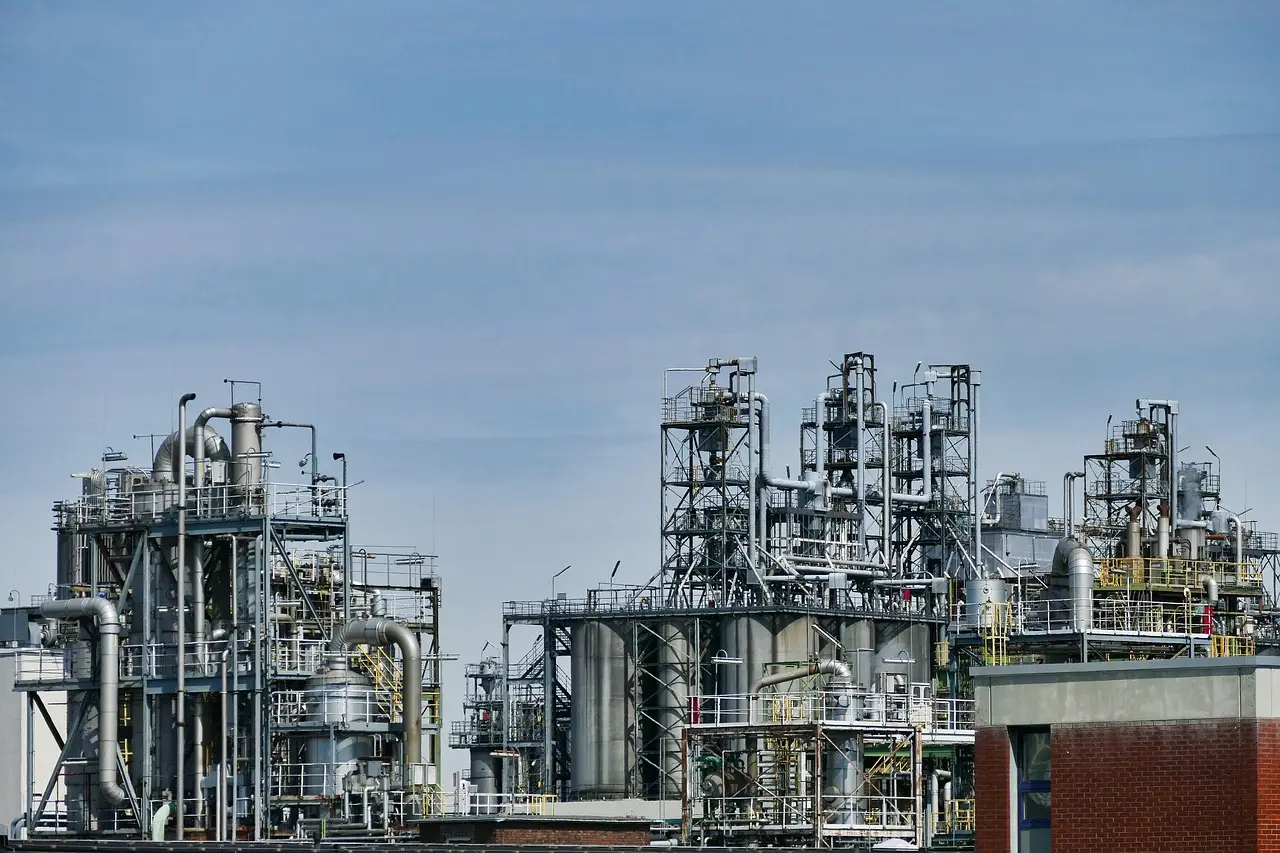
Jam Petrochemical restarted its production lines on June 14 at about 80% of nominal capacity, while the butadiene unit hit in an April 6 US-Israeli airstrike remained offline.
The Assaluyeh complex in southern Iran returned most of its production base, but the restoration did not cover the directly damaged unit. Repairing and restarting butadiene was estimated to take about two years, according to the Fars report.
What did the new footage show?
Footage released by Fars showed the Jam Petrochemical Complex coming under US and Israeli air attack at around 2 p.m. local time on Monday, April 6, 2026. The complex sits in the Pars Special Economic Energy Zone in Assaluyeh, a southern port city.
The footage showed the moment of the attack, while the report identified the butadiene unit as the part directly hit. It did not provide a plant-wide damage estimate or a product-by-product output table for the restarted lines.
What has come back online?
Production resumed on June 14, and the operating lines returned to about 80% of nominal capacity. That rate represents a partial plant restart, not a full return: the butadiene section stayed down after sustaining the direct hit.
The two-year estimate applies to repairing and restarting the butadiene unit rather than to the lines already operating. For supply planners, the distinction matters. They face an operating complex below nominal capacity and no near-term restart for the unit carrying the longest repair estimate.
The report gave no plant capacity figure, product tonnage or delivery schedule, so the operating gap can be described only in percentage and unit-availability terms.
What happened one day later?
Iran responded on April 7 to the previous day’s attack on petrochemical facilities in Assaluyeh. The response reached two Saudi industrial locations: Al Jubail and Al Juaimah.
In Al Jubail, the target was the large Sadara complex involving ExxonMobil and Dow Chemical, which the report described as the largest petrochemical complex owned by the three companies. In Al Juaimah, Iran targeted the large petrochemical complex belonging to Chevron Phillips.
The Islamic Revolution Guard Corps said the facilities were “effectively targeted with medium-range missiles and several suicide drones.” The statement supplied no confirmed output loss, shutdown duration or repair estimate for either Saudi complex.
What should chemical buyers take from the restart?
The reported operating picture is narrow: Jam’s lines run at about 80% of nominal capacity, its butadiene unit remains offline, and that unit carries an estimated two-year repair-and-restart period. The plant is back, but the most clearly identified damaged unit is not.
Procurement teams checking Iranian material should distinguish the site-wide restart from unit availability. The report did not link the June 14 return to a published cargo schedule, a butadiene tonnage or an inventory release. Those commercial details remain unspecified.
The retaliation also spread the event across two Saudi petrochemical locations. The April 7 response named the Sadara, ExxonMobil and Dow Chemical complex at Al Jubail and the Chevron Phillips complex at Al Juaimah, rather than confining the exchange to the Iranian site.
The Fars report carried a timestamp of 11:54 on November 19, 2026. Its central operational finding remains straightforward: Jam restarted at roughly four-fifths of nominal capacity on June 14, while the attacked butadiene unit stayed shut and carried a two-year repair estimate.
The immediate takeaway is simple: do not treat the June restart as full recovery.
via Google News — Petrochemicals (Source)
More from Amara Osei
Show full bio
Senior reporter covering people, launches and day-to-day practice in Chemicals Weekly is the trade press at Chemicals Weekly.
50 articles