TEST RECORD
- DATE
- November 20, 2026
- DESK
- PETROCHEMICALS
- READ TIME
- 3 MIN
- WORDS
- 605
Plant fire reportedly follows drone attack; Taganrog-10 substation hit
ASTRA cited eyewitness video of a Tatarstan petrochemical fire and reported damage to the 220 kV Taganrog-10 substation serving TAGMET; plant identity, outage scale and casualties remain unspecified.
SPECIFICATION
- 1
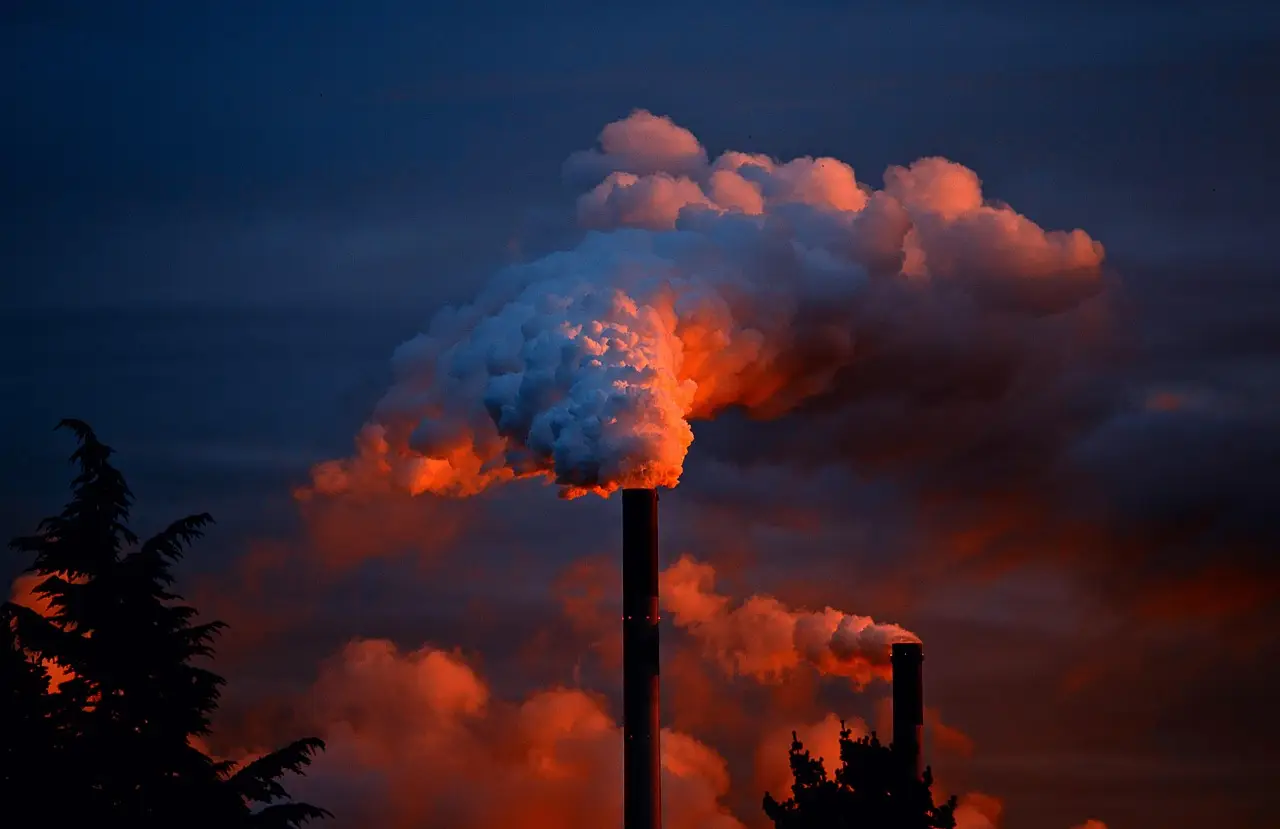
ASTRA cited eyewitness footage showing a large fire at an unidentified petrochemical facility in Tatarstan after a drone alert.
- 2
The 220 kV Taganrog-10 substation reportedly supplies Taganrog, its industrial zone and TAGMET.
- 3
The source describes SIBUR's NKNK as one of Europe's largest petrochemical complexes; it produces synthetic rubber, plastics and ethylene.
- 4
TANECO and TAIF-NK operate oil-refining facilities in Nizhnekamsk's industrial zone.
- 5
Ukrinform reported that long-range drones from Ukraine's Alpha Special Operations Center struck a production and dispatch station near Prosvet.
ASTRA, the Telegram channel cited by Ukrinform, reported a petrochemical plant fire in Tatarstan following a drone attack and damage to the 220 kV Taganrog-10 electrical substation, a high-voltage grid supply point.
What happened in Tatarstan?
ASTRA said eyewitness videos showed a large fire and that its analysis of the footage led it to conclude that a petrochemical facility was burning. The report did not identify the plant, give an ignition time or provide a damage estimate.
Local authorities had declared a drone-threat alert before the reported attack, but they did not specify where the drones might have struck. That gap leaves the plant attribution and event sequence open in the cited account.
Nizhnekamsk Mayor Radmir Belyaev said: “air defense operations are ongoing.” The statement did not identify the affected facility or quantify fire damage or production consequences.
Which Nizhnekamsk facilities did the report describe?
The source described three operators in the Nizhnekamsk industrial context, without naming the burning facility:
- Nizhnekamskneftekhim public joint-stock company (PJSC; NKNK), part of the SIBUR holding, operates one of Europe’s largest petrochemical complexes, or integrated chemical-production sites, according to the source.
- NKNK produces synthetic rubber (chemically made rubber), plastics and ethylene, according to the source.
- TANECO and TAIF-NK operate oil-refining facilities in the same industrial zone.
The source said attacks had targeted the industrial area on several previous occasions. It did not assign responsibility for the latest fire or say whether any of the three operators sustained damage.
What does the Taganrog report establish?
ASTRA reported damage at the 220 kV Taganrog-10 site on the northern outskirts of Taganrog. The account said the substation supplies electricity to the city and its industrial zone, including the TAGMET enterprise.
It stands near both a railway section that has lost power and a damaged bridge on the R-280 highway. The Rostov region governor had previously mentioned both pieces of infrastructure.
The report did not describe damaged equipment, outage duration, repair work or effects on TAGMET production. It therefore establishes reported substation damage, not the scale of the industrial interruption.
What remains unconfirmed?
The cited material contains no official fire-service bulletin, plant-operator statement, casualty count, production-loss figure or estimate of interrupted chemical-feedstock movements. The omissions prevent a defensible calculation of affected capacity or lost output.
Nor does ASTRA’s account identify the burning plant or quantify the Tatarstan site’s operating status. Readers should not treat the reference to NKNK and its output as proof that NKNK caught fire.
Likewise, the source gives no valuation, repair cost or lost-power volume for Taganrog-10. Any market estimate built on the present account would outrun the reported facts.
What happened near Prosvet?
Ukrinform had previously reported that long-range drones operated by the Security Service of Ukraine’s Alpha Special Operations Center struck a Samara linear production and dispatch station (a site combining production and dispatch operations) near the settlement of Prosvet in Russia’s Samara region.
The earlier report gave no output, inventory or delivery figures for that site. It also did not connect the Prosvet strike directly to the reported Tatarstan fire or Taganrog substation damage.
What evidence would settle the operational picture?
Two evidence gaps remain for plant and power specialists:
- For Tatarstan: the plant name, affected units, operating status, onsite inventory and any delivery interruption.
- For Taganrog: damaged substation equipment, restoration time, outage duration and confirmation of TAGMET supply.
Until plant operators and regional authorities publish site-specific damage and outage data, the operational and market effects of the Tatarstan fire and Taganrog substation damage remain unquantified.
via Google News — Petrochemicals (Source)
More from Grace Kim
Show full bio
Staff writer covering money, funding and market shifts around Chemicals Weekly is the trade press at Chemicals Weekly.
46 articles