TEST RECORD
- DATE
- November 19, 2026
- DESK
- PETROCHEMICALS
- READ TIME
- 4 MIN
- WORDS
- 716
Drone attacks reported as Nizhnekamsk petrochemical plant catches fire
Nov. 15 drone attacks on Nizhnekamsk were followed by a fire at Nizhnekamskneftekhim in Tatarstan; damage, casualties and cause were unconfirmed at the time.
SPECIFICATION
- 1
The Nov. 15 report covered overnight drone attacks on Nizhnekamsk in Tatarstan.
- 2
Fire followed at Nizhnekamskneftekhim, described as one of Russia’s largest petrochemical plants.
- 3
The account cited resident reports and a panoramic video showing fire at the plant.
- 4
As of the Nov. 15 report, damage, casualties and the fire’s cause were not immediately known.
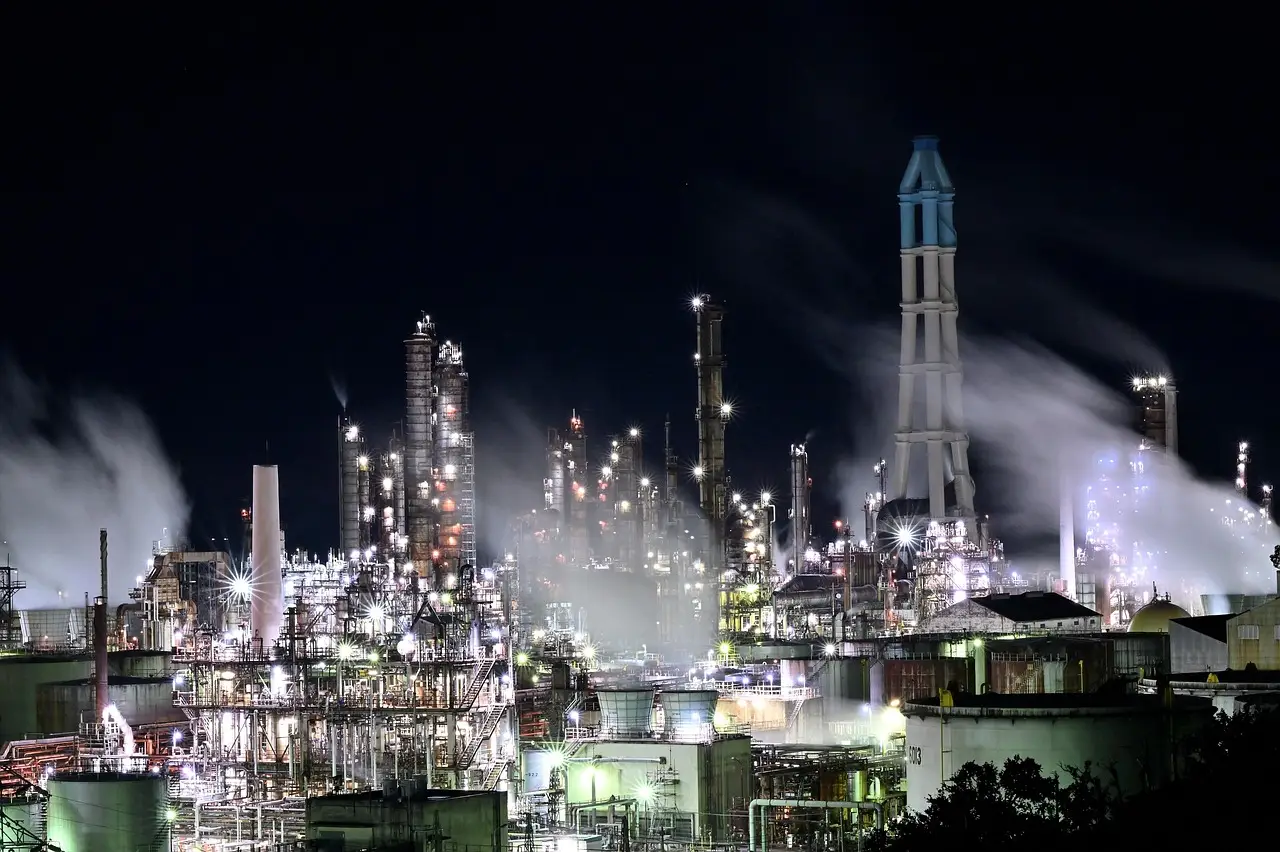
A fire broke out at Nizhnekamskneftekhim in Tatarstan on Nov. 15 after overnight drone attacks, according to OSINT reports. Damage, casualties and the fire’s cause were not immediately known.
Local residents reported hearing a drone overhead, and a panoramic video circulating online showed a fire on the petrochemical plant’s premises. The account documents an attack and a subsequent blaze, but does not establish that the attack caused the fire.
What do we know about the overnight attack?
OSINT channels reported drone attacks on Nizhnekamsk, a city in Russia’s Republic of Tatarstan, during the night. Their Nov. 15 report placed the Nizhnekamskneftekhim fire after the attack. Local residents reported hearing a drone overhead.
The visual evidence was a panoramic video showing a fire within the plant grounds. The report did not identify the affected process area, describe damage unit by unit or publish a technical account of the incident. It also gave no information on the number or type of drones involved in the city attacks.
That distinction matters for plant operators, feedstock buyers and cargo planners. A fire after an attack establishes sequence, not cause; the Nov. 15 account offered no evidence identifying the ignition source or showing a direct strike on a process unit.
The report also cast the incident within a wider information war, but its useful industrial facts remained limited to the location, the reported sequence and the visible fire. The operational takeaway is clear: treat the cause as unconfirmed, not as a proven drone-triggered shutdown.
Which plant was affected?
The Nov. 15 report described Nizhnekamskneftekhim as “one of Russia’s largest petrochemical plants.” The facility is in Nizhnekamsk and forms part of Tatarstan’s petrochemical industry.
That description identifies a large industrial site, but the report stopped short of commercial detail. It gave no product slate, nameplate capacity, annual output, feedstock consumption, inventory position or normal operating rate for the plant.
The omission leaves several basic supply questions open. Buyers cannot tell from the account whether the fire affected a production line, a support area or another part of the site. Nor did the report say whether the plant continued operating, reduced rates or stopped work.
For chemical procurement teams, “large plant” does not translate into a tonnage of lost output. Without unit-level damage and a production schedule, the incident cannot yet be converted into an estimate of displaced tonnes, affected grades or interrupted deliveries.
The industrial takeaway: Nizhnekamskneftekhim’s scale is known, but its product exposure and operating status are not.
What remains unknown about damage and casualties?
The account stated: “No information was immediately available on the extent of the damage, any casualties or the cause of the fire.” That was the central fact at publication: no confirmed casualty count, damage estimate or ignition finding was available.
The unresolved items are straightforward:
- The extent of physical damage and which plant units, if any, were affected.
- Whether the fire caused injuries or fatalities.
- What started the fire and whether the preceding drone activity contributed.
- Whether production continued, stopped or changed after the incident.
- Whether feedstocks, finished products or site utilities were affected.
- Whether an inspection, repair or restart timetable has been set.
The report included no operational notice. It did not name an inspecting body, cite a plant statement, give a shutdown duration or announce changes to customer supply. The information gap therefore spans both safety and commercial performance.
The practical point: no output loss can be calculated from the Nov. 15 account, and no casualty status should be presented as confirmed.
What should buyers and suppliers watch next?
Any reliable follow-up should separate the incident’s location from its market consequence. The first useful disclosures would be the affected unit, the plant’s operating status and the expected duration of any interruption. A confirmed product list would then allow buyers to map the event to specific grades and contracts.
For supply planning, the key questions are whether petrochemical output fell, cargoes were delayed or customer allocations changed. None of those effects was quantified in the Nov. 15 report, so assigning a tonnes-at-risk figure would go beyond the available evidence.
Bottom line: a fire followed reported drone attacks at a large Russian petrochemical plant, but the cause, damage and market effect remain unconfirmed.
via Google News — Petrochemicals (Source)
More from Amara Osei
Show full bio
Senior reporter covering people, launches and day-to-day practice in Chemicals Weekly is the trade press at Chemicals Weekly.
50 articles