TEST RECORD
- DATE
- November 19, 2026
- DESK
- PETROCHEMICALS
- READ TIME
- 3 MIN
- WORDS
- 530
FP-1 drones strike Nizhnekamskneftekhim petrochemical plant
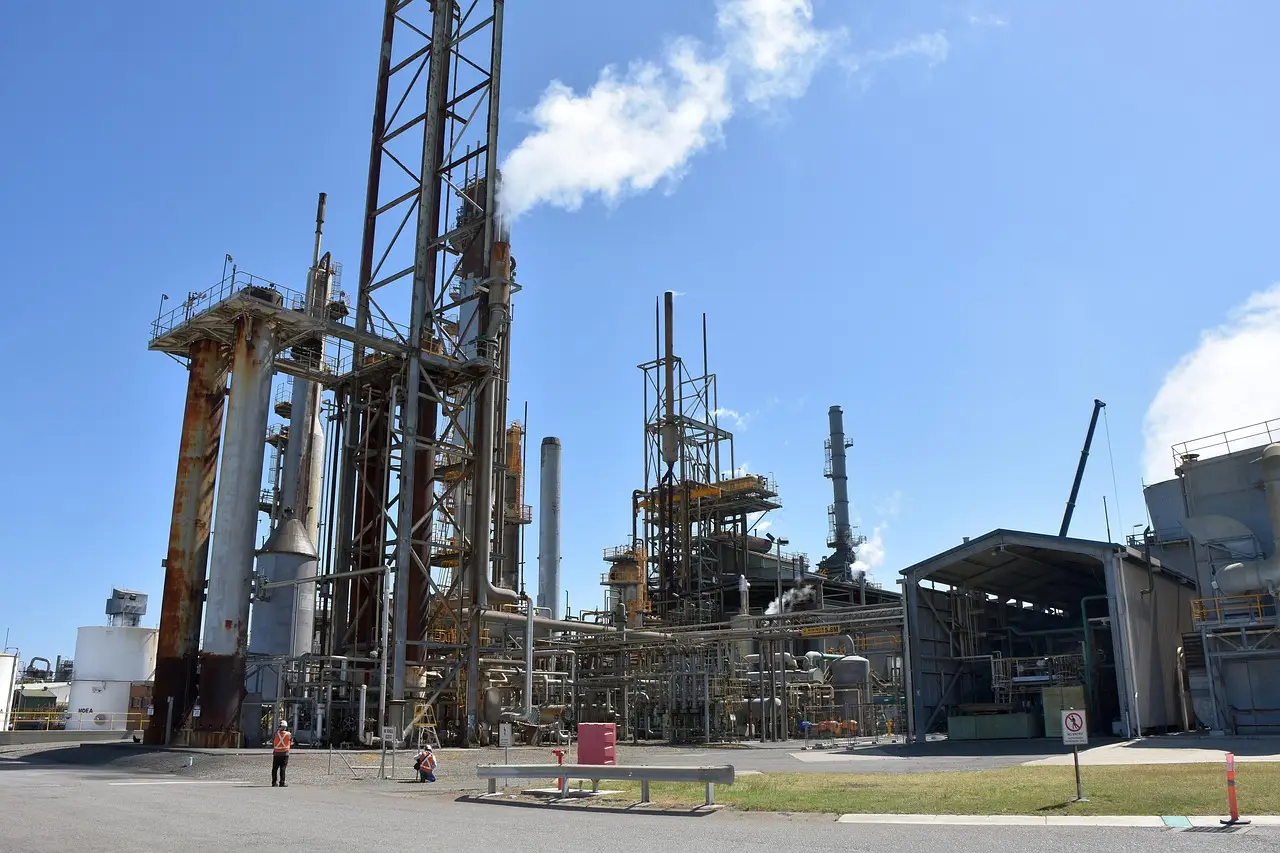
FP-1 drones struck the Nizhnekamskneftekhim petrochemical complex in Tatarstan on November 15, followed by a fire at a plant producing synthetic rubbers and plastics.
SPECIFICATION
- 1
Fire Point said FP-1 drones struck Nizhnekamskneftekhim on November 15.
- 2
Fire Point reported a fire on the plant grounds and gave no further details on the consequences.
- 3
Ukraine's General Staff confirmed the attack after OSINT reports of overnight drone strikes.
- 4
The General Staff listed synthetic rubber, synthetic polyisoprene, butyl rubber and plastics at the site.
- 5
Certain synthetic rubber types form the binding base for solid fuel powering ballistic Iskander missiles.
FP-1 drones struck the Nizhnekamskneftekhim petrochemical complex in Nizhnekamsk, Tatarstan, on November 15, Ukrainian defense company Fire Point said, and Ukraine's General Staff later confirmed an attack at the site.
Nizhnekamskneftekhim counts among Russia's largest petrochemical plants and is described as one of Europe's largest petrochemical complexes. Fire Point identified the FP-1 drones as the weapon used by Ukraine's Defense Forces and said the strike hit the enterprise.
What happened at the plant?
"After the strike, a fire broke out on the grounds of the enterprise," Fire Point said.
Fire Point said it was not yet commenting on other details of the strike's consequences. The statement gave no output, annual capacity, inventory, damage estimate or shutdown period, and it did not identify the production unit or line affected.
OSINT channels had reported overnight into November 15 that drones attacked Nizhnekamsk, among other places in the town, and that a fire broke out at the enterprise. The General Staff then confirmed the attack, moving the event beyond the initial open-source reports.
Fire Point called the strike another blow to Russian industry linked to the production chain for Russia's Iskander-M ballistic missiles.
The attack is confirmed; the reported fire and resulting plant losses remain unquantified.
What does Nizhnekamskneftekhim produce?
The General Staff said Russians produce four material groups at Nizhnekamskneftekhim:
- Synthetic rubbers.
- Synthetic polyisoprene.
- Butyl rubbers.
- Plastics.
The General Staff tied those products to several military uses:
- Synthetic rubber for tires on military trucks, armored vehicles and aircraft.
- Seals, hoses and other rubber-technical products for equipment.
- Certain types of synthetic rubber as the binding base for solid rocket fuel that powers ballistic Iskander missiles, among others.
The General Staff presented the output as indispensable to military operations.
These uses reach beyond the missile link. The tire, seal and hose applications cover military vehicles, aircraft and equipment, while the solid-fuel-binder application applies only to certain synthetic rubber types. Plastics sit alongside the elastomers in the General Staff's list, but the account does not specify plastic grades, end markets or military applications.
The military link runs through tires, seals, hoses and solid-fuel binders.
Why does Ukraine connect the plant to Iskander-M?
Fire Point's assessment and the General Staff's product account point to the same chain: certain synthetic rubber types become the binding base for solid rocket fuel used by ballistic Iskander missiles. The General Staff also said Russia's rubber industry has long been one of the Defense Forces' targets.
For plant and procurement readers, the unanswered issue is physical output. The reporting gives no annual capacity, utilization rate, inventory by product, damage estimate or outage timetable, so no loss in tonnes can be calculated.
The account also provides no replacement supply source, price reaction, shipment disruption or current effect on Iskander-M missile production. Fire Point's wider claim that the strike hurts the missile production chain therefore remains unquantified. The available information supports the attack and product claims, but not a market or production-loss estimate.
The strike is confirmed; the size of any production or supply-chain disruption remains unknown.
via Google News — Petrochemicals (Source)
More from Amara Osei
Show full bio
Senior reporter covering people, launches and day-to-day practice in Chemicals Weekly is the trade press at Chemicals Weekly.
50 articles