TEST RECORD
- DATE
- November 19, 2026
- DESK
- PETROCHEMICALS
- READ TIME
- 3 MIN
- WORDS
- 587
Drone fire reported at Nizhnekamsk plant 1,200–1,300 km from Ukraine
A November 15 drone attack reportedly caused a fire at Sibur's Nizhnekamskneftekhim plant, 1,200–1,300 km from Ukraine. Damage remains unassessed; ethylene assets may have been targeted.
SPECIFICATION
- 1
November 15: A drone attack reportedly triggered a fire at the Nizhnekamsk complex, believed to house Nizhnekamskneftekhim.
- 2
Distance: The plant lies about 1,200–1,300 km (750–810 miles) from the Ukrainian border.
- 3
2025 output: Nizhnekamskneftekhim produced approximately 3 million tonnes of petrochemical products.
- 4
EP-600 capacity: The complex has annual ethylene capacity of up to 600,000 tonnes.
- 5
November 11: Ukrainian long-range drones hit Russia's largest oil refinery in Omsk, about 3,000 km from Ukraine; it processes more than 21 million tonnes of crude annually.
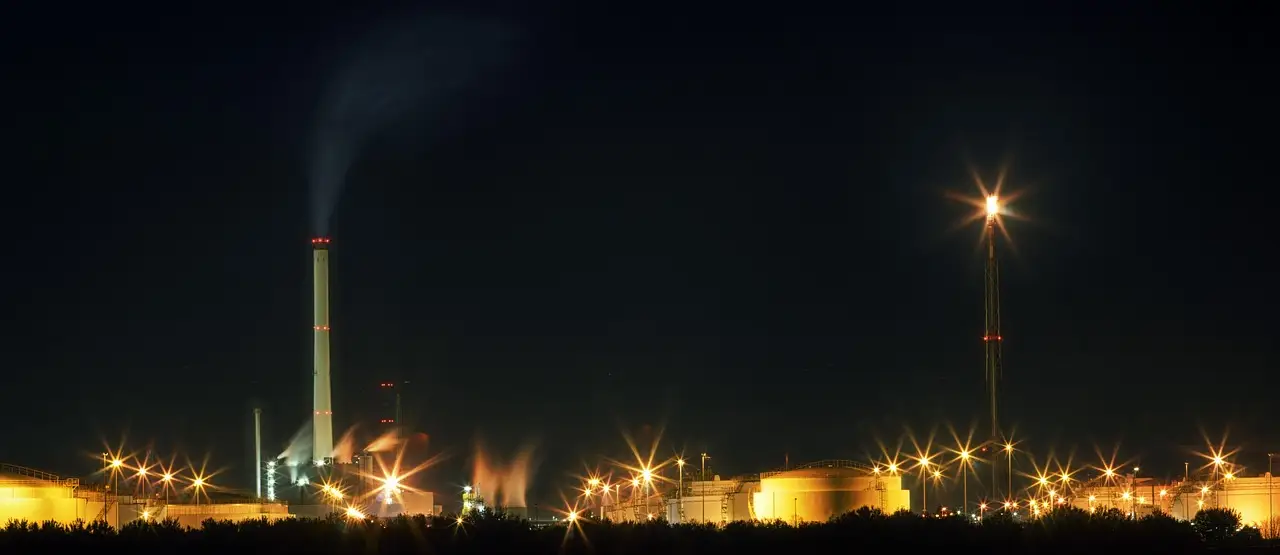
A drone attack reportedly triggered a fire on November 15 at a petrochemical plant believed to be Nizhnekamskneftekhim in Nizhnekamsk, Tatarstan. The complex sits about 1,200–1,300 kilometres (750–810 miles) from the Ukrainian border.
What happened at the plant?
Local residents reported explosions and a fire at the industrial facility. Footage shared by open-source intelligence monitoring channels showed flames rising from the site. Witnesses reported that drone activity continued after the initial strike.
In an analysis published November 15, the Exilenova+ monitoring channel said the attack “may have targeted” the plant’s ethylene production facilities and other parts of the industrial complex. That identification came from footage analysis; Russian authorities had not confirmed which facilities were hit.
The exact extent of damage remained unclear. Russian authorities had not released an official assessment of the reported strike. The available account gave no confirmed production loss, operating downtime or casualty figure, and identified no damaged unit.
The report documents flames, not a measured production loss.
What does Nizhnekamskneftekhim make?
Sibur, the Russian energy and chemicals group, owns Nizhnekamskneftekhim. The company ranks among Russia’s largest petrochemical manufacturers, and its Nizhnekamsk site makes synthetic rubber, plastics and industrial chemicals.
Its rubber portfolio includes isoprene rubber, butyl rubber, halobutyl rubber and butadiene rubber. The Nizhnekamsk operation also produces ethylene, propylene, benzene, synthetic lubricants and propylene glycol.
The plant therefore carries several rubber and petrochemical product lines at one industrial site. The report does not identify which lines stopped, whether inventories were affected or how much material remains available.
Nizhnekamskneftekhim combines rubber output with core petrochemical intermediates.
How large is the production base?
The company produced approximately 3 million metric tonnes of petrochemical products in 2025. Its newer EP-600 production complex has annual ethylene capacity of up to 600,000 metric tonnes.
For buyers and plant schedulers, those figures establish scale, not current availability. The report names no damaged production unit, gives no lost-tonne estimate and provides no restart schedule. Buyers also receive no breakdown of which products make up the 2025 total.
The 3 million-tonne production total and 600,000-tonne EP-600 capacity should not be read as confirmed losses.
How does the Omsk refinery attack compare?
Earlier, on November 11, Ukrainian long-range drones struck Russia’s largest oil refinery in Omsk, approximately 3,000 kilometres from Ukraine. The attack triggered a major fire.
The Omsk facility processes more than 21 million metric tonnes of crude oil annually. The Nizhnekamsk incident came four days later at a separate petrochemical complex roughly 1,200–1,300 kilometres from the Ukrainian border.
Two large Russian energy and petrochemical sites were hit within four days. The available report gives no crude-processing loss for Omsk and no official damage assessment for Nizhnekamsk, leaving the supply effect of each incident unquantified.
The attacks put two major Russian industrial sites under fire within four days.
What can buyers and plant operators conclude?
The reported picture includes the November 15 fire, the plant’s product range, roughly 3 million tonnes of 2025 output and the EP-600 complex’s 600,000-tonne annual ethylene capacity. The possible ethylene targeting remains an Exilenova+ assessment, not an official finding.
Russian authorities have issued no damage assessment. The report also contains no confirmed outage volume or restart date. Traders and plant schedulers should separate the facility’s production scale from actual lost supply.
Fire is reported at a major petrochemical site, but no confirmed loss estimate is available.
via Google News — Petrochemicals (Source)
More from Amara Osei
Show full bio
Senior reporter covering people, launches and day-to-day practice in Chemicals Weekly is the trade press at Chemicals Weekly.
50 articles