TEST RECORD
- DATE
- November 20, 2026
- DESK
- PETROCHEMICALS
- READ TIME
- 2 MIN
- WORDS
- 350
Drone Strike Sets Nizhnekamsk Petrochemical Plant on Fire
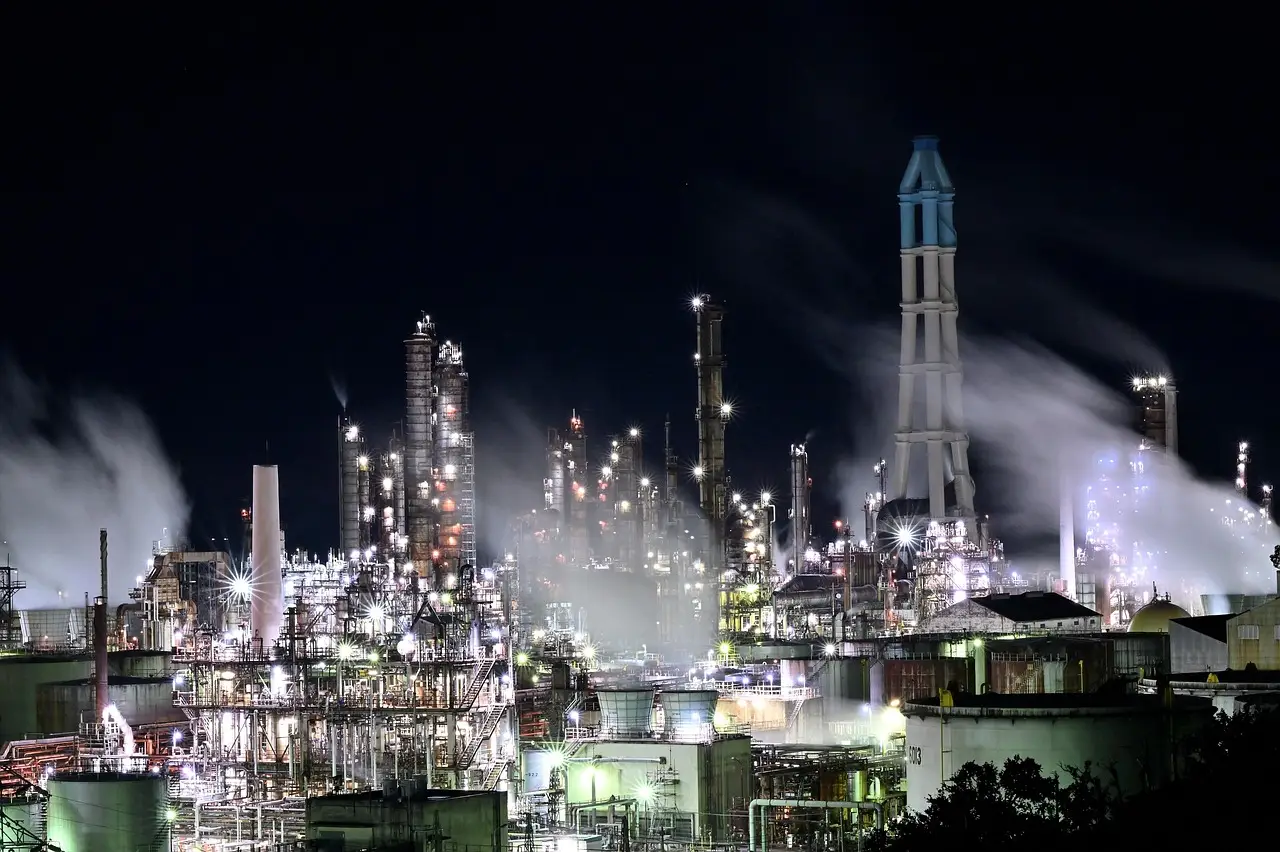
Ukrainian drones struck Nizhnekamskneftekhim in Tatarstan on November 15, setting the SIBUR-owned complex on fire. The site, hit 1,200+ km from Ukraine, is a leading global isoprene and butyl rubber producer.
SPECIFICATION
- 1
Drone strike caused a fire at Nizhnekamskneftekhim in Nizhnekamsk, Russia, on the morning of November 15
- 2
Tatarstan authorities declared a drone alert for eight cities at 02:55 a.m. Kyiv time
- 3
The site sits roughly 1,200–1,300 km from Ukraine's border; Ukrainian drones previously struck it on August 10, 2026
- 4
Nizhnekamskneftekhim, part of SIBUR Group, is one of the world's leading isoprene rubber producers
- 5
Product slate includes butyl, halobutyl and butadiene rubbers, ethylene, propylene, benzene, synthetic lubricants and propylene glycol
A drone strike triggered a fire at the Nizhnekamskneftekhim petrochemical plant in Nizhnekamsk, Russia, on the morning of November 15. Footage published by Exilenova+ showed flames at the facility in the Republic of Tatarstan.
The strike landed roughly 1,200–1,300 km from Ukraine's state border. If the drones were launched from deeper inside Ukrainian territory, the actual flight distance could exceed that range.
How did the attack unfold?
At 02:55 a.m. Kyiv time on November 15, authorities in Tatarstan declared a drone attack alert covering eight cities. Ukrainian Defense Forces drones then struck the complex.
According to Militarnyi, the drones reportedly hit the Etilen plant and other parts of the chemical complex. The Etilen unit is the facility's ethylene (basic petrochemical building block for plastics and rubbers) production asset.
What does the plant produce?
Nizhnekamskneftekhim ranks among the largest petrochemical companies in Russia and Eastern Europe. It forms part of the SIBUR Group, Russia's major petrochemical holding.
Its product slate spans several globally significant lines:
- Isoprene rubber, where the company is one of the world's leading producers
- Butyl rubber, halobutyl rubber and butadiene rubber
- Ethylene and propylene, the two highest-volume base petrochemicals
- Benzene
- Synthetic lubricants
- Propylene glycol
Any sustained outage at the ethylene cracker or downstream rubber units would matter well beyond Russia. Butyl and halobutyl rubber feed tire innerliners and tubeless tire production globally, and Nizhnekamskneftekhim holds a substantial share of world butyl capacity.
Is this the first strike on the site?
No. Ukrainian attacks have targeted the plant before. On August 10, 2026, Ukrainian Defense Forces drones also struck the petrochemical facility, according to the source material.
The repeat strikes indicate the site remains a fixed target for long-range drone operations despite the distance involved. For buyers of synthetic rubber, ethylene derivatives or propylene glycol sourced from Russian capacity, the November 15 fire adds supply-risk uncertainty around one of the region's largest complexes.
No information on casualties, force majeure declarations, or the extent of damage to specific production units was available at the time of reporting.
via Google News — Petrochemicals (Source)
More from Rebecca Stone
Show full bio
Market editor covering regulation, policy and their impact on Chemicals Weekly is the trade press at Chemicals Weekly.
57 articles