TEST RECORD
- DATE
- November 19, 2026
- DESK
- PETROCHEMICALS
- READ TIME
- 3 MIN
- WORDS
- 662
Ukrainian strikes hit two Tatarstan plants and Bryansk aviation works
Ukrainian forces struck Nizhnekamskneftekhim, TAIF-NK’s ELOU-AVT-7 unit and Monolit in Bryansk. Fires followed; damage and production effects remain unquantified.
SPECIFICATION
- 1
November 15 strikes hit Nizhnekamskneftekhim and TAIF-NK in Tatarstan, plus Monolit in Trubchevsk.
- 2
Both Tatarstan targets are more than 1,000 kilometers from Ukraine’s border.
- 3
TAIF-NK’s only primary oil processing unit, ELOU-AVT-7, was hit; processing depth exceeds 95%.
- 4
Nizhnekamskneftekhim makes synthetic rubber, polyisoprene, butyl rubber and plastics.
- 5
Damage at both Tatarstan facilities remains under assessment.
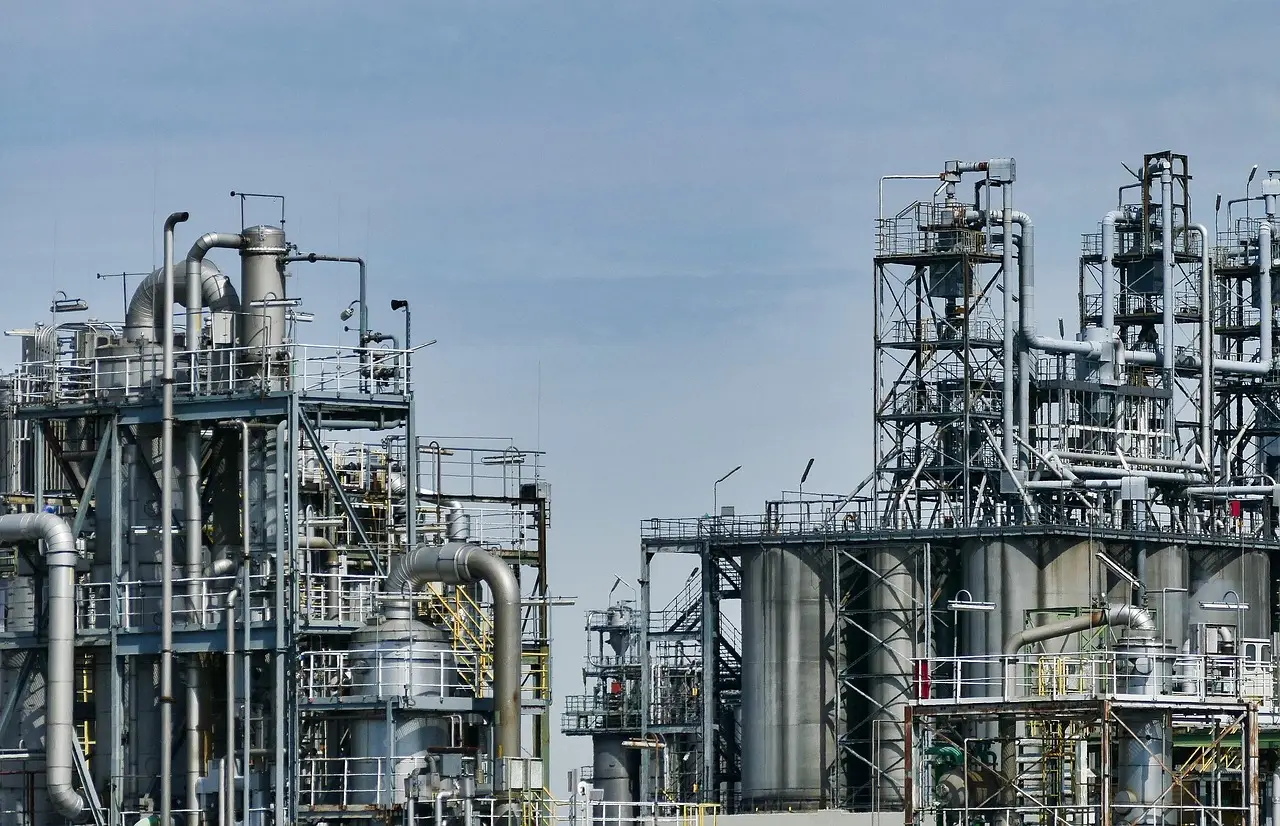
Ukrainian forces struck three industrial sites on November 15: Nizhnekamskneftekhim and TAIF-NK in Tatarstan, plus Monolit in Trubchevsk, Bryansk region. The two petrochemical targets in Nizhnekamsk lie more than 1,000 kilometers from Ukraine’s border.
Ukraine’s General Staff reported the attacks. Explosions hit Nizhnekamskneftekhim, followed by a fire. A fire also followed the strike on TAIF-NK’s ELOU-AVT-7 unit.
The General Staff said: “Disruptions at such facilities could affect supplies of fuel, military equipment components and raw materials for Russia’s missile industry.”
What did Nizhnekamskneftekhim make?
Nizhnekamskneftekhim ranks among Europe’s largest petrochemical complexes. It is also a key production facility within the Sibur holding company.
Its product slate includes:
- Synthetic rubber (petrochemical polymers with elastic, durable properties), including polyisoprene and butyl rubber.
- Plastics.
Polyisoprene and butyl rubber are two specific types within the broader synthetic-rubber group.
The plant’s output supports several military and industrial supply chains:
- Tires for military trucks, armored vehicles and aircraft.
- Seals, hoses and other rubber components.
- Binding agents in solid rocket propellant. Certain synthetic-rubber types serve this role, including in propellant for Iskander ballistic missiles.
The production chain runs from petrochemical feedstocks to tires, components and, for certain grades, solid-propellant binders. Buyers should not treat every synthetic-rubber grade as interchangeable.
The physical consequence is clear; the commercial consequence is not, because the report gives no line status, inventory position, throughput figure or restart timetable for the plant.
Until the site is assessed, buyers cannot separate a short interruption from a longer outage. Any estimate of lost rubber or plastics output would exceed the reported facts.
Why was TAIF-NK’s main unit hit?
The refinery’s only primary oil processing unit, ELOU-AVT-7, took the strike. A fire followed at TAIF-NK.
TAIF-NK specializes in processing heavy, high-sulfur crude oil and gas condensate (a liquid hydrocarbon fraction separated from gas). Its processing depth (the share of crude converted into marketable oil products) exceeds 95%.
The refinery’s product range includes fuel and petrochemical feedstocks (raw material streams for further chemical production). The General Staff linked these outputs to Russia’s military requirements.
The processing figure describes the refinery’s depth, not its operating rate or remaining capacity after the strike, and the report offers no basis for converting the hit into lost tonnes.
What did the Bryansk strike hit?
Forces struck the Monolit enterprise in Trubchevsk on the same day. Monolit carries out three industrial functions:
- It manufactures aircraft, including helicopters.
- It produces spare parts and components.
- It performs metalworking operations.
Monolit covers aircraft manufacturing, component supply and metalworking at one Trubchevsk site, extending the reported strike into the military equipment chain as well as fuel and raw-material supply.
Monolit’s parts and metalworking roles make it relevant beyond finished-aircraft output. A disruption can affect the component stream as well as helicopter production.
What does this change for petrochemical buyers?
The petrochemical exposure is direct. Nizhnekamskneftekhim supplies rubber and plastics used in military vehicle and aircraft tires, seals and hoses. Certain grades also serve as binders in propellant for Iskander ballistic missiles.
The refinery exposure is broader. TAIF-NK produces fuel and chemical feedstocks, and its sole primary processing unit took a hit.
The Bryansk exposure sits in equipment. Monolit makes helicopters, spare parts and components, and conducts metalworking operations.
For procurement teams, the strike changes the risk map but not yet the measurable supply balance, because the report gives no lost tonnage, outage duration or restart schedule. Damage assessments at both Tatarstan facilities remain under way.
The lack of figures limits any market calculation. No operating rate, inventory drawdown, product allocation or price response appears in the report. Buyers should therefore treat the event as a supply-chain watch point, not a confirmed market withdrawal.
Procurement teams now have named exposure points, but not a quantified shortfall. That is the practical limit of the reported information.
via Google News — Petrochemicals (Source)
More from Sophie Lindqvist
Show full bio
News editor covering regulation, policy and their impact on Chemicals Weekly is the trade press at Chemicals Weekly.
53 articles