TEST RECORD
- DATE
- November 20, 2026
- DESK
- PETROCHEMICALS
- READ TIME
- 3 MIN
- WORDS
- 651
Ukraine strikes three Russian petrochemical and defense plants
Ukraine hit Nizhnekamskneftekhim, the adjacent TAIF-NK refinery and Monolit in Bryansk, igniting fires at two sites and threatening military rubber, fuel and aviation supply chains.
SPECIFICATION
- 1
Three enterprises were hit overnight into Nov. 15: Nizhnekamskneftekhim, TAIF-NK and Monolit.
- 2
Nizhnekamsk lies more than 1,000 km (620 miles) from Ukraine’s border.
- 3
TAIF-NK’s refining depth exceeds 95%, and the strike hit its sole ELOU-AVT-7 primary crude distillation unit.
- 4
OSINT reported simultaneous strikes on Akhtubinsk airfield, the 220-kV Taganrog-10 substation and the Melentyevsky logistics bridge.
- 5
Nov. 13 strikes hit the Samara Urals crude-blending station, Lipetsk-2 airbase and three Rostov-on-Don drone sites.
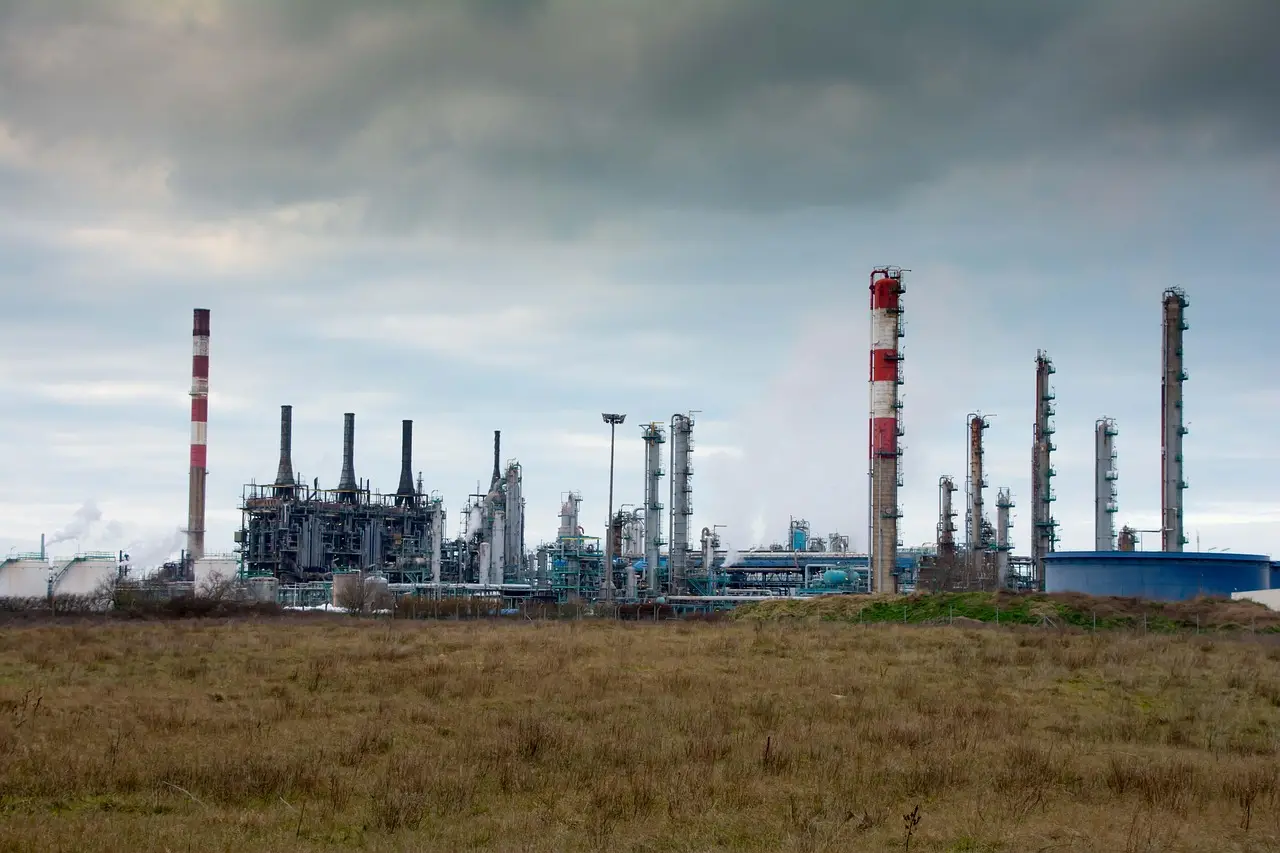
Three Russian military-industrial and petrochemical enterprises were hit overnight into Sunday, Nov. 15, according to Ukraine’s General Staff. Long-range units reached Nizhnekamsk, more than 1,000 km (620 miles) from Ukraine’s border, and hit two interconnected industrial sites. Ukrainian forces also struck JSC Monolit in Trubchevsk, in Russia’s Bryansk border region.
Three plants hit overnight
- Nizhnekamskneftekhim: Explosions and a structural fire spread across PJSC Nizhnekamskneftekhim after incoming strikes hit one of Europe’s largest petrochemical complexes and a core production asset of Sibur holding. Its output includes synthetic rubbers, including synthetic polyisoprene and butyl rubbers, plus plastics.
- TAIF-NK: At the adjacent oil refinery, a strike hit the sole ELOU-AVT-7 primary crude distillation unit, the refinery’s first separation stage for crude oil. The hit ignited a fire.
- Monolit: In Trubchevsk, JSC Monolit manufactures aircraft, including helicopters, plus aviation spare parts, components and precision metalwork for the Russian defense sector.
The General Staff described the two Nizhnekamsk facilities as interconnected suppliers of raw materials and combat fuel to the Russian armed forces during the war. It also stated: “The scale of damage inflicted on both enterprises is being clarified.”
Rubber, fuel and aviation links
Much of Nizhnekamskneftekhim’s output looks civilian on the surface. Ukrainian military officials linked these products to military logistics and weapons manufacturing.
Synthetic rubber goes into tires for military trucks, armored vehicles and aircraft. Specialized rubber compounds serve as solid rocket propellant binders (materials that hold the propellant together) for ballistic missiles, including Russia’s Iskander system.
TAIF-NK operates a major refining complex with refining depth above 95%, the share of crude oil converted into saleable products. It processes heavy, high-sulfur crude oil and gas condensate (condensed light hydrocarbons) into commercial motor fuels, petrochemical feedstocks (raw materials for chemical production) and specialized military supplies.
The General Staff tied the military effect to downtime: “Every downtime at such plants means fewer tires for equipment carrying ammunition to the front.” It also said downtime means fewer rubber parts for armored vehicles and aviation, less raw material for the missile industry, and less fuel for the Russian army.
What does this change for Russian rubber, fuel and aviation output?
Two linked Nizhnekamsk plants now face fire and strike damage. The refinery’s only primary crude distillation unit took a hit. The petrochemical complex suffered explosions and a structural fire.
The report supplies no production capacity, daily output, inventories, repair schedule or lost tonnage, so readers cannot translate the strikes into a defensible supply or price forecast. That missing data matters because the facilities sit inside both commercial and military supply chains.
The immediate operating risk is interruption at a core Sibur asset and the neighboring TAIF-NK refinery. Continued downtime would mean fewer tires, rubber components, missile raw materials and fuel, according to the General Staff. Nothing in the report establishes an immediate European supply shortage or a measurable regional price effect.
A wider sequence of targets
Official confirmation followed overnight acknowledgment from Nizhnekamsk Mayor Radmir Belyaev. He reported drone-inflicted damage within the city’s industrial zone.
Open-source intelligence (OSINT, or publicly available reporting) also indicated simultaneous overnight strikes on Akhtubinsk military airfield in Astrakhan region, the 220-kilovolt Taganrog-10 electrical substation and the Melentyevsky logistics bridge in Rostov region.
The Nov. 15 operation built on Friday, Nov. 13 attacks, according to the General Staff. Ukrainian forces hit the “Samara” linear production and dispatch station, where Russia blends its flagship Urals export crude. The same operation hit Lipetsk-2 military airbase and three drone manufacturing and maintenance sites in Rostov-on-Don.
Taken together, the reported targets connect three operating risks: synthetic rubber for tires and missile binders, refinery fuel and petrochemical feedstocks, and aircraft hardware for military aviation. The mechanism is potential disruption, not a quantified supply shock. The report gives no outage duration.
via Google News — Petrochemicals (Source)
More from Sophie Lindqvist
Show full bio
News editor covering regulation, policy and their impact on Chemicals Weekly is the trade press at Chemicals Weekly.
53 articles