TEST RECORD
- DATE
- November 19, 2026
- DESK
- PETROCHEMICALS
- READ TIME
- 2 MIN
- WORDS
- 491
Ukrainian drones hit Sibur's Nizhnekamskneftekhim and TAIF-NK refinery
Ukraine struck Nizhnekamskneftekhim (Sibur), the TAIF-NK refinery's sole ELOU-AVT-7 unit, and the Monolit helicopter plant overnight Nov. 15; damage is still being assessed.
SPECIFICATION
- 1
Overnight Nov. 15 strikes hit Nizhnekamskneftekhim (Sibur), TAIF-NK refinery and Monolit in Bryansk Oblast, per Ukraine's General Staff.
- 2
TAIF-NK's sole primary processing unit, ELOU-AVT-7, was struck; a fire was reported.
- 3
Nizhnekamskneftekhim lies ~1,200 km from Ukraine; damage extent is still being assessed.
- 4
Prior strikes: TANECO refinery on Aug. 20 and Sept. 13; Slavyansky refinery on Sept. 13.
Ukraine's military confirmed strikes on three Russian military-industrial sites overnight on Nov. 15, including two petrochemical and refining complexes in Tatarstan more than 1,000 km from the border — and the actual damage picture remains open.
Ukraine's General Staff said its forces hit the Nizhnekamskneftekhim petrochemical complex and the TAIF-NK refinery, both in Nizhnekamsk, plus the Monolit aircraft manufacturer in Trubchevsk, Bryansk Oblast. The General Staff framed the campaign in supply-chain terms aimed squarely at downstream chemical output.
"Every day these plants are idle means fewer tires for the vehicles transporting ammunition to the front, fewer rubber parts for armored vehicles and aircraft, fewer raw materials for the missile industry, and less fuel for the Russian military," the General Staff said.
The claim assumes idle days. Kyiv has not yet documented them.
What was actually hit?
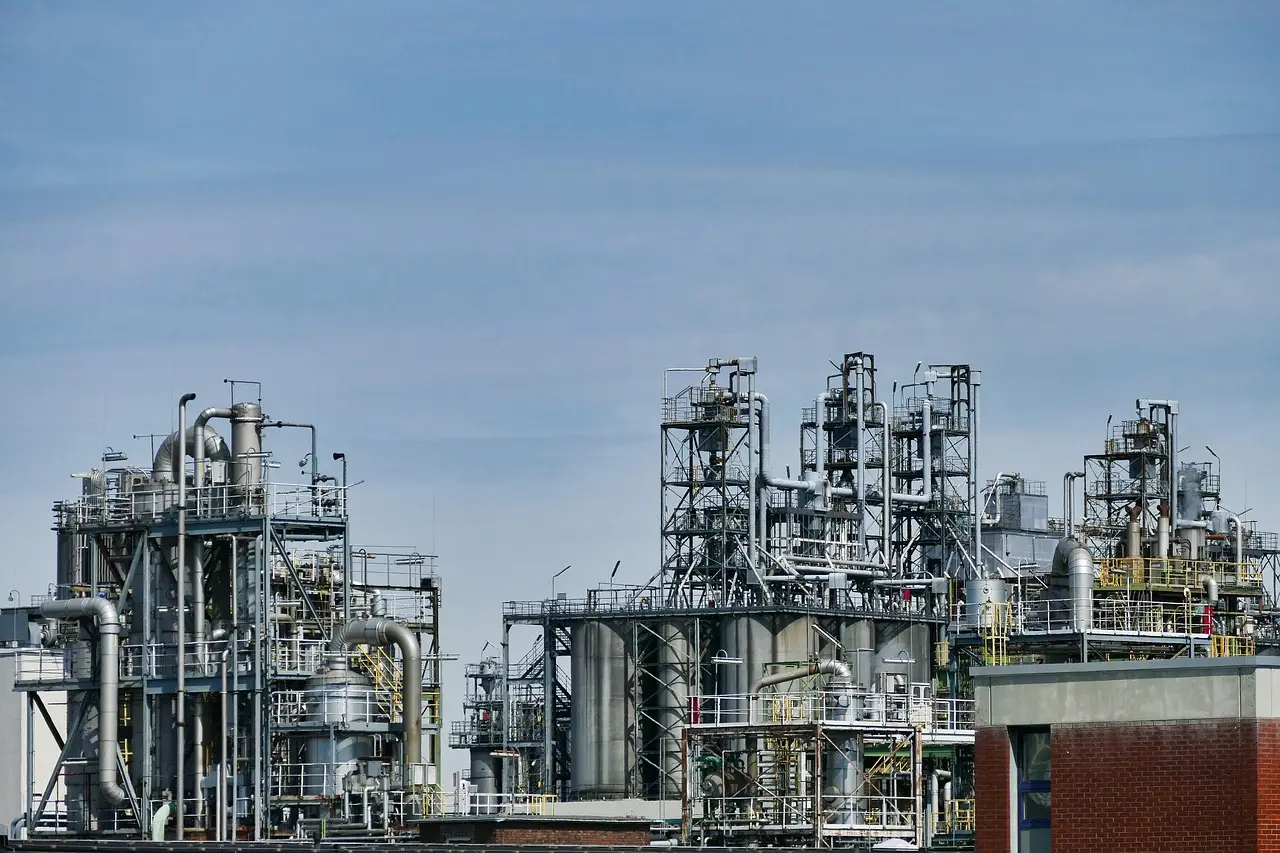
Explosions and a fire were reported at Nizhnekamskneftekhim, part of Russian petrochemical holding Sibur, located roughly 1,200 km (745 miles) from Ukraine. The complex produces synthetic rubber, plastics and other petrochemical products used across industries — including, per the General Staff, military vehicle tires and aircraft components.
The Ukrainian monitoring channel Exilenova+ reported on Nov. 15 that residents witnessed an attack on an industrial facility in the city, likely the Nizhnekamskneftekhim complex. Social-media geolocation is indicative, not confirmation.
The second target, the TAIF-NK refinery in Nizhnekamsk, reportedly took a hit to ELOU-AVT-7 — its sole primary oil-processing unit (the atmospheric distillation stage that separates crude into fractions). A fire was reported at the site. The facility supplies petroleum products and raw materials that can serve both fuel markets and military-industrial demand. It sits more than 1,000 km (620 miles) from Ukraine's border.
If the ELOU-AVT-7 damage is confirmed, a single-unit refinery has no fallback throughput. That is the number buyers of Russian feedstocks will want verified.
What is the damage assessment?
The General Staff said the extent of damage at both Tatarstan facilities is still being assessed. No outage duration, capacity figure or force-majeure notice has been published.
Local officials offered a partial picture. Nizhnekamsk Mayor Radmir Belyaev said the city came under a prolonged drone attack on Nov. 15 that damaged industrial facilities and an apartment building. Residents were evacuated and several people were injured, he said.
Is this a pattern?
The Nizhnekamsk cluster is a repeat target. On Sept. 13, the General Staff confirmed strikes on the TANECO refinery in Nizhnekamsk and the Slavyansky refinery in Krasnodar Krai. Ukraine struck TANECO again on Aug. 20, the General Staff said.
The third Nov. 15 target, Monolit in Trubchevsk, manufactures aircraft including helicopters, spare parts and components, and performs metalworking.
For chemical-market readers, the open question is feedstock continuity: synthetic rubber, plastics and refining output from Tatarstan feed both civilian and defense chains, and neither side has quantified the interruption yet.
No confirmed damage figures, no restart timelines.
via Google News — Petrochemicals (Source)
More from Grace Kim
Show full bio
Staff writer covering money, funding and market shifts around Chemicals Weekly is the trade press at Chemicals Weekly.
46 articles