TEST RECORD
- DATE
- November 19, 2026
- DESK
- PETROCHEMICALS
- READ TIME
- 3 MIN
- WORDS
- 608
Ukraine hits 2 Tatarstan plants and Monolit helicopter site in Bryansk
Ukraine hit two Tatarstan petrochemical plants and the Monolit aircraft site on 14-15 November; fires were reported at both Tatarstan plants as damage assessment began.
SPECIFICATION
- 1
Three Russian industrial sites were reportedly hit on the night of 14-15 November: two petrochemical plants in Tatarstan and Monolit in Bryansk Oblast.
- 2
Nizhnekamskneftekhim lies more than 1,000 km from Ukraine’s border and belongs to Sibur; it makes synthetic rubber and plastics.
- 3
ELOU-AVT-7 was the Nizhnekamsk refinery’s only primary oil distillation unit, and it was hit.
- 4
Monolit in Trubchevsk makes aircraft, including helicopters, spare parts and components, and performs metalworking.
- 5
Damage to Nizhnekamskneftekhim and the Nizhnekamsk refinery was still under assessment.
Ukraine’s General Staff on Telegram said: “Ukraine’s defence forces struck the Nizhnekamskneftekhim petrochemical complex and the Nizhnekamsk oil refinery in the Russian Republic of Tatarstan on the night of 14-15 November. They also hit the Monolit plant in Russia’s Bryansk Oblast.”
The account placed two petrochemical assets and one aircraft-production asset within the same overnight report, but it gave no consolidated damage total, output loss or operating-status decision for any location.
What happened at the Tatarstan petrochemical assets?
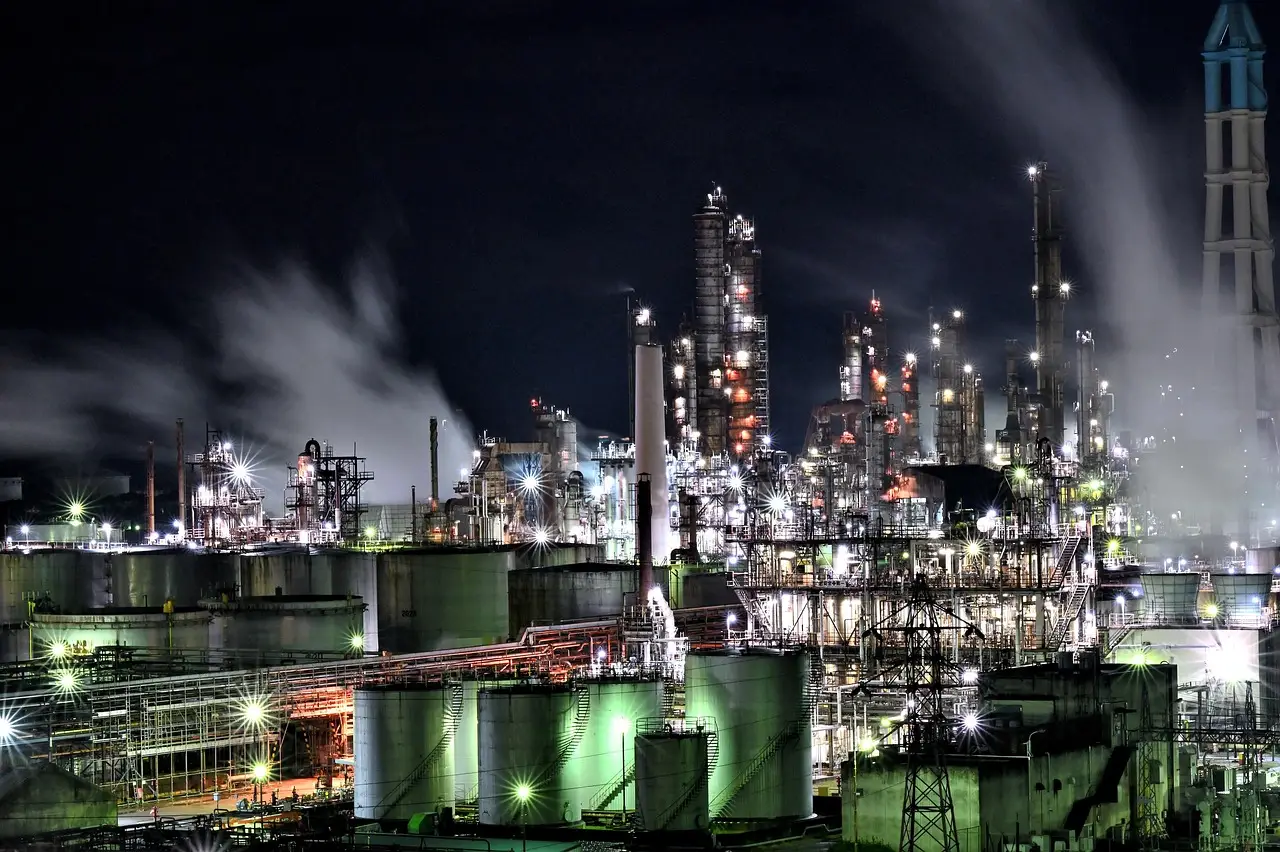
Nizhnekamskneftekhim sits in Nizhnekamsk, Tatarstan, more than 1,000 km from the Ukrainian border. The petrochemical complex (a large chemical-production site) is one of Europe’s largest petrochemical facilities and part of the Sibur holding company.
Explosions were heard at the complex and a fire broke out on its premises. The plant manufactures synthetic rubber (a tyre-making input) and plastics, materials used, among other things, to produce tyres for military equipment and other components.
For buyers, the disclosed product scope covers two material categories—synthetic rubber and plastics—and their use in tyres for military equipment and other components. The 14-15 November report provided no annual capacity, utilisation rate or contract volume for either output.
At the separate Nizhnekamsk oil refinery, the strike hit ELOU-AVT-7, identified as the site’s only primary oil distillation unit (first-stage refining equipment). A fire was reported at the refinery.
The named unit is the refinery’s sole primary-distillation asset. The report gave no crude-throughput figure, storage capacity, repair schedule or refinery-wide operating rate.
Damage reporting remained preliminary. The report stated: “The extent of the damage to both facilities is being assessed.” In this passage, “both facilities” refers to Nizhnekamskneftekhim and the Nizhnekamsk oil refinery.
That leaves plant availability, safe-restart timing and the status of ELOU-AVT-7 unresolved in the information released on 14-15 November. The account did not say whether either Tatarstan facility had stopped all production or would resume operating after the fires.
What was Monolit’s disclosed production scope?
Ukraine’s forces also struck the Monolit facility in Trubchevsk, Bryansk Oblast. The plant specialises in manufacturing aircraft, including helicopters, as well as spare parts and components for them, and in metalworking (metal-processing operations).
That disclosed scope covers aircraft and helicopter production, supporting spare-parts and component manufacture, and metalworking operations. The source named no specific helicopter model, aircraft programme, annual output or customer.
The disclosure therefore identifies aircraft, helicopter and parts output as the relevant industrial scope. It provided no interruption duration, inventory figure or damage assessment for Monolit.
Monolit’s location in Trubchevsk, Bryansk Oblast, places the third reported strike outside Tatarstan, where both petrochemical facilities were located.
What remains unresolved for plant operators?
For plant operators and feedstock customers, the 14-15 November report leaves three operating questions without quantified answers.
- Nizhnekamskneftekhim: The report gave no capacity, output-loss or restart figure.
- Nizhnekamsk refinery: No repair timetable for ELOU-AVT-7, crude-throughput or site-wide operating-rate figure was supplied.
- Monolit: No aircraft output, inventory figure, interruption duration or damage assessment was included.
The report also gives no prices, product tonnage or customer allocations, so any estimate of lost output or market effect would require information beyond the General Staff’s account.
The immediate confirmed points are limited to three named sites, two Tatarstan fires, the hit on the refinery’s sole primary oil distillation unit and the strike on the Monolit aircraft-manufacturing facility.
Until the damage assessments at the two Tatarstan facilities are complete, safe-restart timing, ELOU-AVT-7 repair duration and Monolit production status remain unquantified.
via Google News — Petrochemicals (Source)
More from Rebecca Stone
Show full bio
Market editor covering regulation, policy and their impact on Chemicals Weekly is the trade press at Chemicals Weekly.
57 articles