TEST RECORD
- DATE
- November 23, 2026
- DESK
- PETROCHEMICALS
- READ TIME
- 2 MIN
- WORDS
- 438
Houthis Claim Direct Hit on Saudi Arabia's Rabigh Refinery
Houthis claim a direct hit on the Aramco-Sumitomo Petro Rabigh complex; no damage confirmed yet, but feedstock and PE/PP/MEG supply chains across Asia are watching closely.
SPECIFICATION
- 1
Houthis claimed a direct hit on the Rabigh refinery on Saudi Arabia's Red Sea coast on Sunday; no independent confirmation exists
- 2
Petro Rabigh is a joint Aramco-Sumitomo Chemical integrated refining and petrochemical complex, 165 km north of Jeddah
- 3
Recent Houthi claims also target the East-West pipeline, Jazan refineries and Ras Tanura; Saudi authorities have confirmed none
- 4
Confirmed disruption could tighten naphtha and feedstocks, hitting PE, PP and MEG supply; immediate price moves likely limited
- 5
Escalation since July could raise crude, freight and insurance costs across Asian and Middle East petrochemical markets
Yemen's Houthis claimed on Sunday a direct hit on the Rabigh refinery on Saudi Arabia's Red Sea coast — a strike that, if confirmed, would put one of the kingdom's largest integrated refining and petrochemical sites at risk. So far, nobody has verified a thing.
No independent confirmation of the attack exists, and there are no details on damage. Saudi authorities have not commented on this claim, and there's no confirmed information indicating production shutdowns or damage to refining or petrochemical units at the site.
What sits at Rabigh?
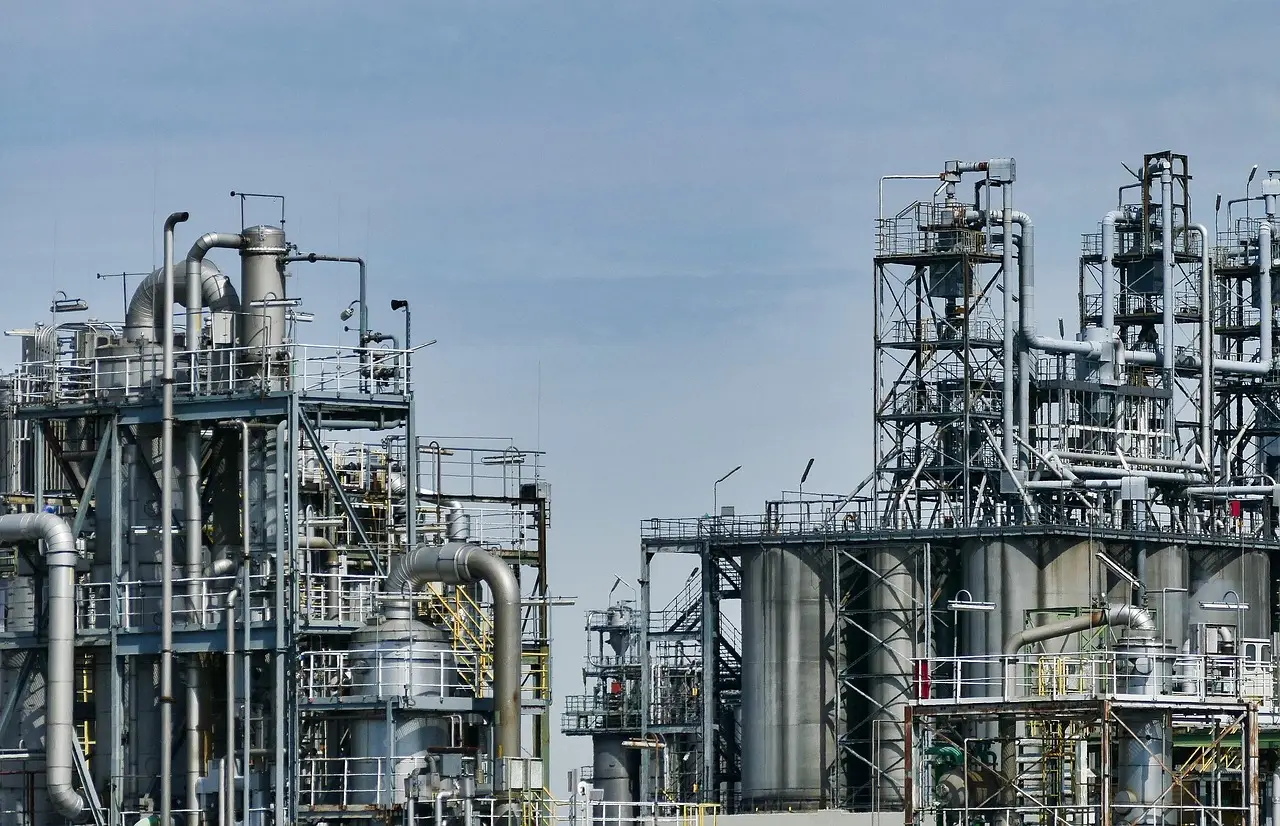
The Rabigh complex houses Petro Rabigh, jointly developed by Saudi Aramco and Japan's Sumitomo Chemical. It combines crude refining with downstream petrochemical production in a single integrated operation. The site sits roughly 165 kilometres north of Jeddah, with access to deep-water export infrastructure on the Red Sea — which is why it matters for both domestic industrial supply and international trade flows.
In plain terms: this is a combined refinery-and-chemicals plant with export access, not a remote storage terminal.
Is this an isolated claim?
No. The Houthis have made repeated claims against Saudi energy infrastructure in recent months, including:
- The East-West oil pipeline
- The Jazan refineries in southern Saudi Arabia
- The Ras Tanura refinery in the Eastern Province
Saudi authorities haven't confirmed any of the reported refinery attacks, so the operational consequences of the entire string of claims remain uncertain.
The wider context: hostilities restarted in July amid the broader US-Israeli conflict with Iran. The Houthis have expanded territorial control in Yemen against the internationally recognised government and increased missile and drone operations targeting Saudi airports and energy infrastructure. Saudi Arabia has responded with intensified airstrikes against Houthi positions in support of its Yemeni allies, raising the risk of a broader regional confrontation.
What does this mean for petrochemical markets?
A confirmed disruption at Petro Rabigh could tighten regional availability of refined products, naphtha and petrochemical feedstocks. Downstream exposure runs through:
- Polyethylene (PE)
- Polypropylene (PP)
- Monoethylene glycol (MEG)
- Other derivatives, depending on which units take the hit
Reduced feedstock availability would increase production costs and support regional spot prices, particularly if exports or operating rates suffer. But without verified damage or production interruptions, expect immediate price movements to stay limited.
The slower-burn risk is cost, not supply. Prolonged geopolitical escalation could lift crude oil, freight and insurance costs, adding upward pressure on petrochemical prices across Asia and the Middle East even without a single barrel of lost output at Rabigh.
Actual market impact will depend on confirmed operational disruptions and how suppliers respond. Until then, watch verification, not rhetoric.
via Google News — Petrochemicals (Source)
More from Marcus Bennett
Show full bio
Correspondent covering money, funding and market shifts around Chemicals Weekly is the trade press at Chemicals Weekly.
64 articles