TEST RECORD
- DATE
- November 23, 2026
- DESK
- PETROCHEMICALS
- READ TIME
- 4 MIN
- WORDS
- 794
Houthis Claim Direct Hit on 400,000-bpd Rabigh Refinery
Houthi spokesman Yahya Saree claimed a direct hit on the 400,000-bpd Rabigh refinery on November 22; Saudi Arabia has not confirmed damage, and Aramco has not commented on plant status.
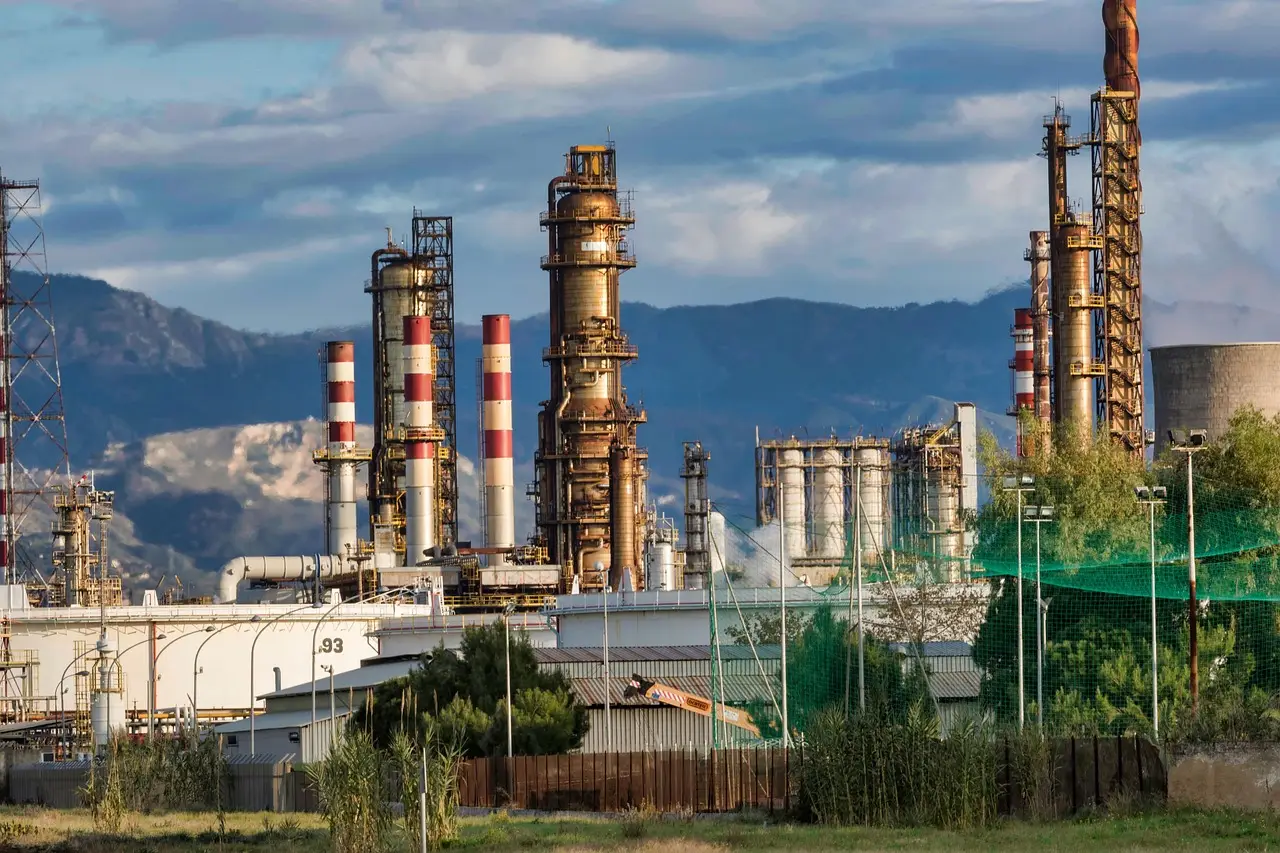
SPECIFICATION
- 1
November 22 Houthi claim targets the 400,000-bpd PetroRabigh refinery; no Saudi confirmation of damage.
- 2
Unverified OSINT imagery describes a fire at Rabigh oil storage tanks with an 80-km smoke plume; no wire or monitor has verified it.
- 3
East-West pipeline carries up to 7 million bpd to Red Sea terminals; flows were suspended September 12–22 after drone strikes.
- 4
PetroRabigh and Yansab posted combined Q2 2026 profits of $779 million, AGBI reported.
- 5
Aramco bought an additional 22.5 percent of PetroRabigh from Sumitomo for $702 million in October 2025, raising its stake to about 60 percent.
Houthi forces claimed a direct hit on the 400,000-barrel-per-day Rabigh refinery on November 22, but no Saudi authority, operator Aramco, or industry monitor has confirmed any damage to the Red Sea complex. The claim, posted on X by Houthi military spokesman Yahya Saree, named Rabigh and a radar installation at Wadi al-Dawasir south of Riyadh as targets in a "two-stage" operation that "successfully achieved its objective," PressTV reported.
What do we actually know?
Very little that can be verified. Xinhua's Sanaa bureau reported that Saree "provided no details about the weapons used or the extent of damage." No munition type — ballistic missile, cruise missile, or drone — has been identified for the Rabigh claim by any source, making independent assessment impossible. Xinhua called the claims such that they "could not be independently verified."
Saudi Arabia's coalition announced separately on Sunday that it intercepted a ballistic missile in "the west of the kingdom" and destroyed two drones aimed at the Riyadh and southern regions, Al-Monitor reported, citing AFP. The coalition also intercepted a Houthi missile near Mecca earlier on November 22. The western-region intercept is geographically consistent with the Rabigh area, but no Saudi source has linked it to the refinery. Reuters reported on November 22 that Saudi Arabia has "not confirmed any attacks on refineries" across multiple October and November claims.
Two unverified open-source intelligence accounts circulated imagery on November 22 attributed to the Rabigh site. The account @HormuzLetter posted what it described as satellite imagery showing "a black smoke plume roughly 80 km trailing away from the site" with "the fire centred on the oil storage tanks." A second account, OSINT613, described "a fire of about 410 MW detected by the MTG-I1 satellite, with a thick black plume visible," but added that "independent confirmation that a Houthi attack caused this blaze is still needed." No wire service, government source, or industry monitor has verified either claim.
Why does Rabigh matter to the Hormuz bypass?
Since Iran closed the Strait of Hormuz on February 28 and again March 2–4, Saudi Arabia has moved crude west via the East-West pipeline to Red Sea terminals at Yanbu and Rabigh. The pipeline carries up to 7 million barrels per day, with roughly 5 million exportable, according to Saudi Gazette via Zawya, citing Aramco. Yanbu exports approached 4 million barrels per day in March, Reuters reported via The News. Flows were suspended as a precaution from September 12 to September 22 after drone strikes.
PetroRabigh sits at the end of that chain. The complex processes 400,000 barrels of crude daily and includes deep-water export facilities, per Aramco project documentation — a dual role as both processing hub and crude loading point. In the second quarter of 2026, PetroRabigh and Yansab posted combined profits of $779 million, AGBI reported in July, outperforming Gulf-facing peers that posted widening losses.
The Foundation for Defense of Democracies argued in a July analysis published by the Algemeiner that the Houthis target the Red Sea coast "to close that escape route." The Armed Conflict Location and Event Data Project wrote in August that the Houthis had "carefully calibrated attacks on oil infrastructure to inflict economic damage and extract concessions from Saudi Arabia."
How does the claim compare with confirmed 2026 strikes?
Every confirmed Saudi refinery incident this year produced acknowledgment from an operator, government body, or monitor:
- March 2 — Ras Tanura: drones caused fire (Euronews; Maritime Executive)
- March 19 — SAMREF, Yanbu: drone hit, loadings briefly paused (Marine Insight)
- April 7–8 — SATORP, Jubail, 465,000 bpd: overnight attacks closed the refinery (TotalEnergies; The New Arab)
- July 27 — Jazan, 400,000 bpd: strike shut facility, restart delayed to August 30 (IIR; Hydrocarbon Processing)
- August 9 — Jazan: second strike, fire extinguished, no injuries (Al-Monitor/Reuters)
- September 12–22 — East-West pipeline, ~7 million bpd: precautionary suspension after drone strikes (Saudi Gazette via Zawya)
The November 22 Rabigh claim has none of these confirmations. Aramco has issued no statement on PetroRabigh's operational status; minority shareholder Sumitomo Chemical, which holds about 15 percent, has also stayed silent. Aramco raised its own stake to roughly 60 percent by buying an additional 22.5 percent from Sumitomo for $702 million on October 9, 2025, per Aramco's press release and the Oil and Gas Journal.
Saree has named Rabigh in at least three claims this war — October 25, October 29, and November 22 — none producing Saudi damage confirmation. Al Jazeera reported it found "no independent corroboration" of the October 29 six-operation barrage that also named Ras Tanura, Abqaiq, and airports in Riyadh and Dammam. The last confirmed fire at Rabigh before 2026 came in March 2022, according to OilPrice.
By Rebecca Stone
via Google News — Petrochemicals (Source)
More from Rebecca Stone
Show full bio
Market editor covering regulation, policy and their impact on Chemicals Weekly is the trade press at Chemicals Weekly.
57 articles