TEST RECORD
- DATE
- November 19, 2026
- DESK
- PETROCHEMICALS
- READ TIME
- 3 MIN
- WORDS
- 604
Ukraine hits Salavat petrochemical complex; Russia claims 1,441 drones
A drone strike and major fire hit Gazprom Neftekhim Salavat in Bashkortostan. Russia also claimed 1,441 interceptions, attacks on Kursk's Sadovaya substation and the Crimean Bridge.
SPECIFICATION
- 1
Russia claimed 1,441 drone interceptions overnight, above its previous Nov. 16 record claim of 1,336.
- 2
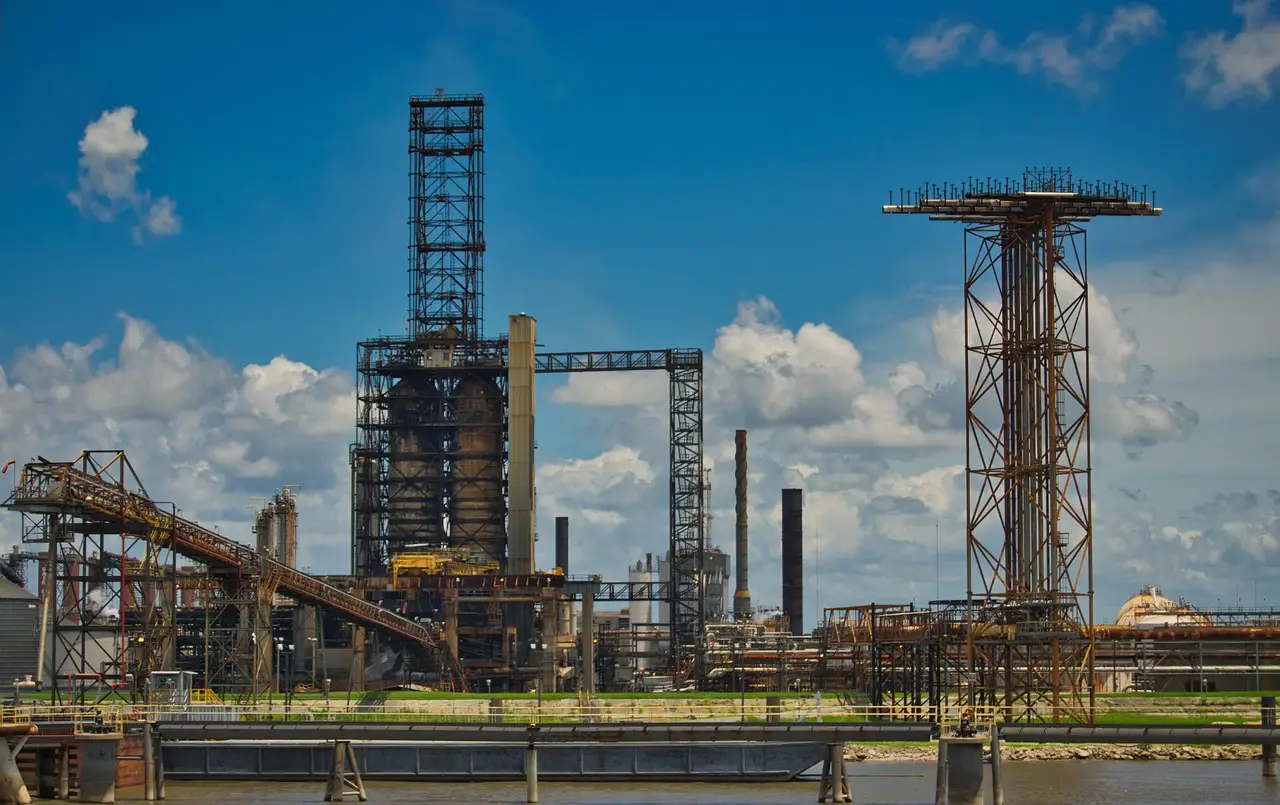
The Nov. 17 attack triggered a major fire at Gazprom Neftekhim Salavat, a petrochemical complex founded in 1948.
- 3
Salavat produces gasoline, diesel, jet fuel, fuel oil, polyethylene, polystyrene, ammonia, urea and butyl alcohols.
- 4
Astra said drones struck Kursk's Sadovaya substation, built in 1965 and serving about 400,000 residents.
- 5
Crimean Wind footage showed one of two Crimean Bridge arches collapsing, but the damage was not independently verified.
Russia’s Defense Ministry said it intercepted 1,441 Ukrainian fixed-wing drones overnight across 21 regions, occupied Crimea and the waters of the Black Sea and Sea of Azov. The ministry said it had “intercepted 1,441 Ukrainian fixed-wing drones overnight across 21 Russian regions, occupied Crimea, and the waters of the Black Sea and Sea of Azov.”
The ministry listed Moscow, Kursk, Rostov, Saratov, Tver and Ulyanovsk Oblast, as well as Bashkortostan and Krasnodar Territory, among the areas where drones were intercepted.
Moscow Mayor Sergey Sobyanin said: “Around 800 drones had flown toward the Russian capital.” He said 321 were intercepted on approaches to the city between the evening of Nov. 16 and the morning of Nov. 17.
What happened at Gazprom Neftekhim Salavat?
Ukrainian drones struck one of Russia’s largest petrochemical complexes in the Republic of Bashkortostan overnight on Nov. 17, triggering a major fire in the industrial city of Salavat.
The attacks targeted Salavat and the regional capital Ufa, according to Bashkortostan’s emergency situations committee. Russian authorities said air defenses, industrial security teams and mobile fire groups shot down more than 50 drones.
Residents reported explosions and a blaze in Salavat’s industrial zone. The fire’s glow was reportedly visible from Sterlitamak, a city about 17 kilometers away.
Videos filmed by local residents and reviewed by the independent Russian outlet Astra suggest that the strike hit Gazprom Neftekhim Salavat. Ukraine had previously struck the complex on Oct. 8, causing a fire near its oil refinery.
The reports did not quantify an outage, lost refining capacity or chemical production loss.
What does the Salavat complex produce?
Founded in 1948, Gazprom Neftekhim Salavat operates oil-refining and gas-chemical plants. It produces:
- Gasoline, diesel and jet fuel
- Fuel oil
- Polyethylene and polystyrene
- Ammonia and urea
- Butyl alcohols
The facility also supplies fuel to the Russian military, while some of its petrochemical products are used by Russia’s defense industry.
Overall, the plant links transport fuels, basic chemicals and direct Russian military supply in one complex.
What happened to Kursk’s grid and the Crimean Bridge?
Separately, Ukrainian forces struck the Sadovaya electrical substation in Kursk overnight, according to Astra.
The substation supplies electricity to around 400,000 residents and major industrial facilities in the city. Built in 1965, it underwent a major reconstruction between 2010 and 2014 that installed digital control systems.
Russian authorities had not officially reported the attack or confirmed any damage.
The Crimean Bridge was also targeted overnight on Nov. 16-17, marking the second reported attack on the key crossing in 24 hours.
Footage shared by the Crimean Wind Telegram channel shows one of the bridge’s two arches collapsing into the sea. The reported damage has not been independently verified. The latest incident follows another Ukrainian attack on the bridge on Nov. 16.
The wider operation reached power and transport infrastructure, but public confirmation of the damage remained incomplete.
Does the 1,441-drone claim set a record?
If confirmed, the claimed 1,441 interceptions would set a new record for the largest reported Ukrainian drone attack against Russia since the start of the full-scale invasion.
The figure surpasses the previous record of 1,336 drones claimed by the Defense Ministry one day earlier, on Nov. 16, in what was then described as one of the largest overnight attacks of the war.
For chemical and fuel operators, the unresolved point is operational: the reporting gave no plant shutdown, capacity reduction or product-delivery estimate.
Until confirmed, 1,441 should be treated as Russia’s claimed interception tally rather than a settled count.
via Google News — Petrochemicals (Source)
More from Amara Osei
Show full bio
Senior reporter covering people, launches and day-to-day practice in Chemicals Weekly is the trade press at Chemicals Weekly.
50 articles