TEST RECORD
- DATE
- November 19, 2026
- DESK
- PETROCHEMICALS
- READ TIME
- 3 MIN
- WORDS
- 570
Drone strikes hit Gazprom Neftekhim Salavat complex in Bashkortostan
Ukrainian drones hit the Gazprom Neftekhim Salavat petrochemical complex in Bashkortostan on November 17, starting fires at a site with up to 10 Mt/y capacity; damage remains unconfirmed.
SPECIFICATION
- 1
Drone strikes on November 17, 2025 started several fires at the Salavat complex in Bashkortostan, about 1,300 km (808 miles) from Ukraine's border
- 2
Annual processing capacity of up to 10 million metric tons of crude oil and gas condensate
- 3
More than 150 product types, from gasoline and diesel to polyethylene, polystyrene and ammonia
- 4
Russia's Defence Ministry claimed a record 1,441 Ukrainian drones intercepted overnight
- 5
Extent of damage and impact on production not independently confirmed
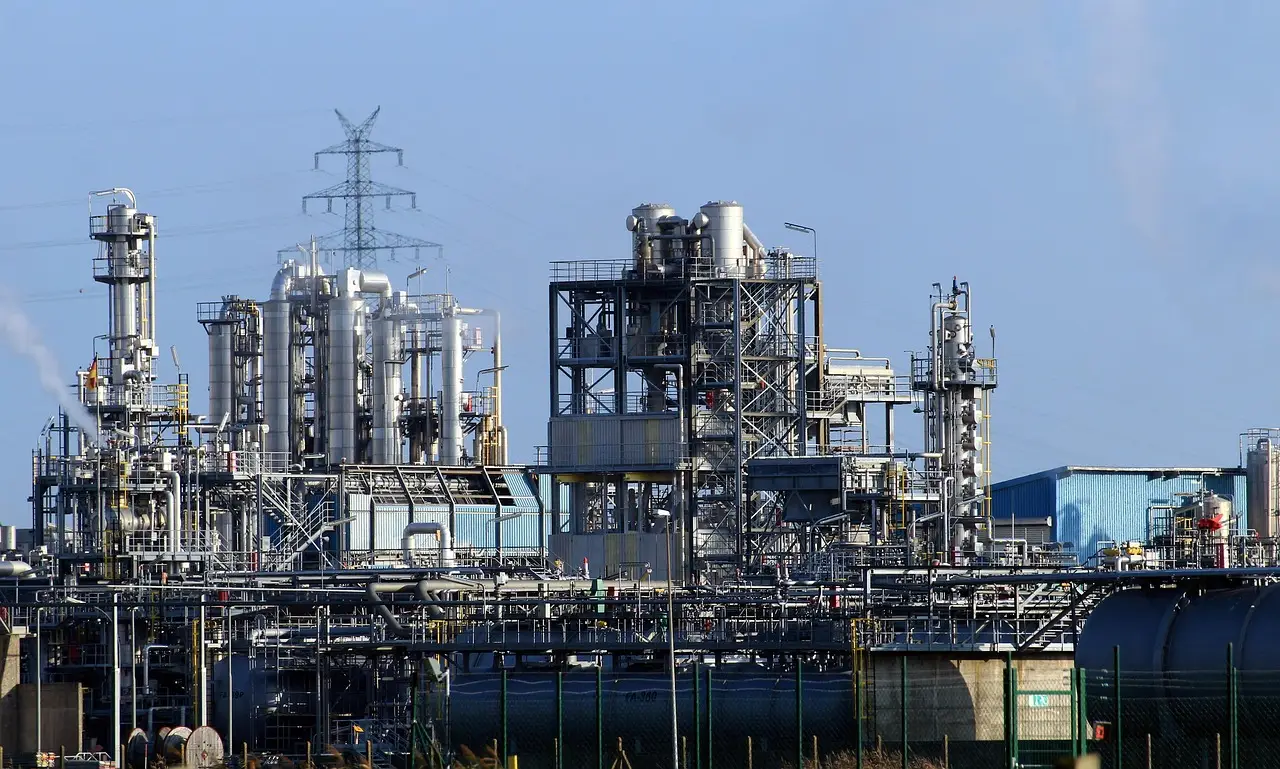
Ukrainian drones struck the Gazprom Neftekhim Salavat petrochemical complex in Russia's Bashkortostan region overnight on November 17, starting several fires at a refinery and chemical site roughly 1,300 kilometres (808 miles) from Ukraine's border.
The plant ranks among Russia's largest integrated oil refining and chemical production facilities. Footage circulated by the Russian outlet ASTRA and monitoring channels "showed flames and thick smoke rising from the complex." Local residents reported hearing drones overhead and a series of explosions, and Russian air defence systems were reportedly operating in the area.
Video and eyewitness accounts document the strike; no inspection has confirmed the damage. Neither the extent of the fires nor the effect on production has been independently verified, and no confirmed loss of refining or chemical capacity has been reported.
What does the Salavat complex process, and what does it make?
Gazprom Neftekhim Salavat operates inside Russia's state-controlled energy giant Gazprom and runs an integrated industrial site: an oil refinery, a gas chemical plant (a unit converting natural gas into higher-value chemicals) and the Monomer chemical production facility (a plant supplying basic chemical building blocks, or monomers).
Annual processing capacity reaches up to 10 million metric tons of crude oil and gas condensate (the light liquid fraction recovered alongside crude oil or natural gas). The figure is a nameplate ceiling, and the report provides no breakdown of current utilisation or product-specific capacity. Output covers more than 150 types of products, including:
- Gasoline, diesel fuel and kerosene for the domestic fuel network
- Fuel oil, the heavy residual grade burned in marine and industrial boilers
- Polyethylene, the commodity thermoplastic used in packaging and pipe
- Polystyrene, a rigid resin sold into foam and packaging
- Ammonia, a base feedstock for fertilisers and industrial chemicals
- Other industrial chemicals
The fuel line feeds Russia's domestic supply network, which includes infrastructure supporting military logistics, while the chemical products serve a range of industrial sectors. Salavat's integration matters for counterparties: one site turns crude oil and gas feedstocks into transport fuels and into polymer and ammonia feedstocks, so damage at a single location reaches the fuels market and the chemicals market together.
For procurement teams tracking Russian polyethylene, polystyrene or ammonia, the benchmark is fixed: up to 10 million metric tons of crude oil and gas condensate per year across more than 150 product grades from one integrated site 1,300 kilometres from the Ukrainian border.
How large was the wider wave of attacks on November 17?
Russia's Defence Ministry claimed it had "intercepted a record 1,441 Ukrainian drones" overnight, and a separate reported strike on the Crimean Bridge caused part of the roadway to collapse into the Kerch Strait. The Ministry's figure covers attacks across Russia on the same night; this report names the Salavat complex as the only petrochemical site struck.
What should chemical and fuel buyers watch?
- Whether inspection confirms which units of the refinery, the gas chemical plant or the Monomer facility sustained damage
- Whether the 10 million metric ton annual processing line continues at full rates
- Whether fuel produced at Salavat keeps flowing into domestic networks that support military logistics
- Whether polyethylene, polystyrene and ammonia supply to industrial buyers tightens while repairs and restarts are assessed
Video confirms fires at Salavat on the night of November 17; the damage bill for a 10 million metric ton, 150-plus-product complex remains unmeasured.
via Google News — Petrochemicals (Source)
More from Rebecca Stone
Show full bio
Market editor covering regulation, policy and their impact on Chemicals Weekly is the trade press at Chemicals Weekly.
57 articles