TEST RECORD
- DATE
- November 20, 2026
- DESK
- PETROCHEMICALS
- READ TIME
- 3 MIN
- WORDS
- 504
Ukrainian drones hit Gazprom Salavat petrochemical complex 1,500 km away
Drones flew some 1,500 km to strike Gazprom's Salavat complex, which processes 6m t of crude and 4m t of gas condensate yearly. Damage extent and operational status remain unconfirmed.
SPECIFICATION
- 1
Ukrainian drones struck the Gazprom Neftekhim Salavat complex overnight on November 17 after a roughly 1,500 km flight.
- 2
The plant processes about 6 million t of crude oil and 4 million t of gas condensate per year, per Ukraine's SSO.
- 3
Product slate exceeds 150 items, including gasoline, diesel, bitumen, sulfur, ammonia, urea, styrene and polyethylene.
- 4
SSO's Deep Strike units carried out the attack; damage extent and any production halt remain unconfirmed.
- 5
The same day, an An-12 transport crashed in Kemerovo Region with Russian TV reporting 17 fatalities.
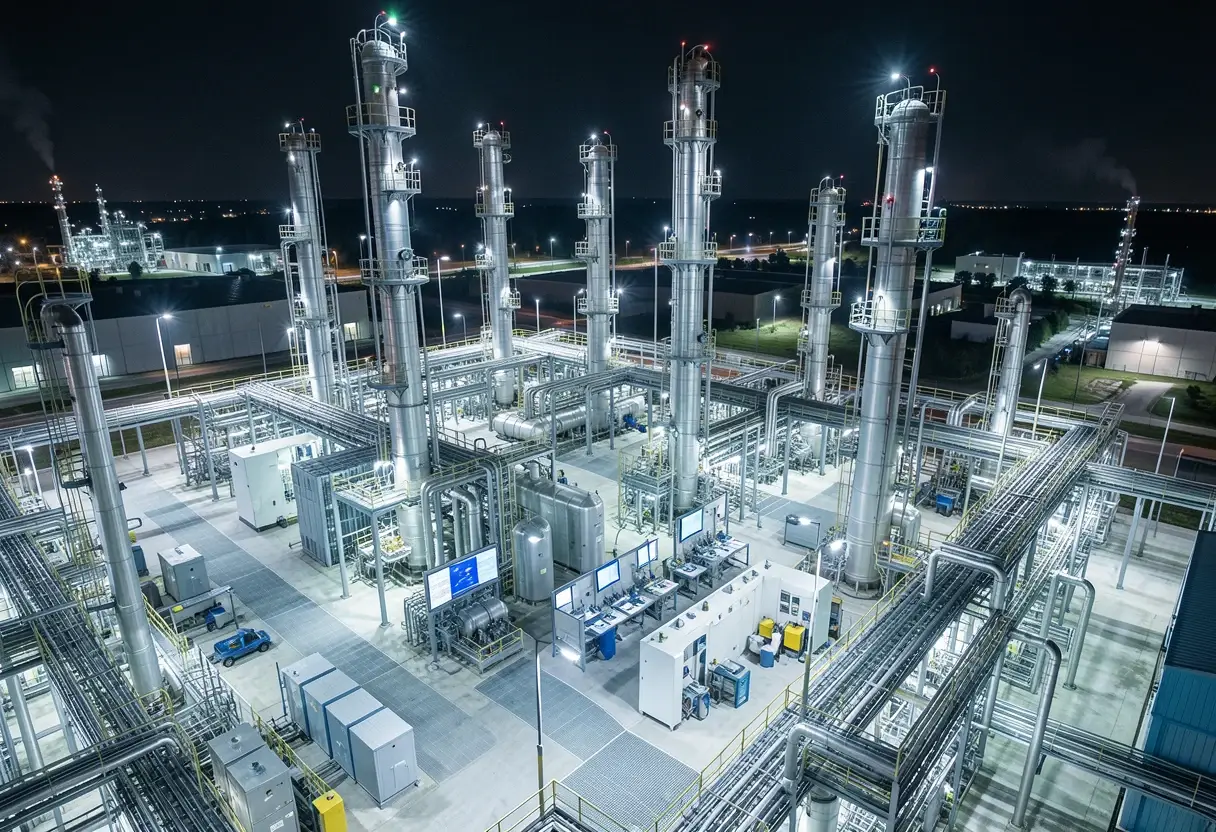
Ukrainian drones flew roughly 1,500 kilometres from the border and struck the Gazprom Neftekhim Salavat petrochemical complex in Salavat, Bashkortostan, Russia, overnight on November 17. The facility ranks among Russia's largest petrochemical producers, and Ukraine's Special Operations Forces (SSO) said its output supports Russia's war effort against Ukraine.
What do we know about the target?
The complex sits in the city of Salavat in the Republic of Bashkortostan, deep inside Russian territory. According to the SSO, the site processes about 6 million metric tonnes of crude oil per year plus another 4 million tonnes of gas condensate annually.
The product slate spans more than 150 items, including:
- automotive gasoline and diesel fuel;
- fuel oil and road bitumen;
- sulfur, ammonia and urea;
- styrene and polyethylene.
That range covers both refinery fuels and petrochemical feedstocks. Ammonia and urea serve fertilizer and industrial markets; styrene and polyethylene supply polymer converters. Petroleum products from the site fuel vehicles and machinery, while the chemical streams feed manufacturing chains.
Why was the plant singled out?
The SSO stated that the plant's products help sustain Russia's military capabilities and that the operation deliberately targeted the facility for that reason. SSO units known as Deep Strike carried out the attack, the statement said.
What remains unconfirmed?
The SSO did not specify which production units were hit, how severe the damage is, or whether operations have stopped. No confirmed data on the strike's consequences exists yet. For buyers of styrene, polyethylene, urea or fuel-origin products tied to the site, that gap matters: a prolonged outage at a complex of this scale would remove significant capacity from Russian supply.
The plant's 10 million tonnes of combined crude and condensate throughput makes it a sizable node in Russia's fuels and petrochemicals system (condensate is a light liquid hydrocarbon recovered alongside natural gas). Any forced shutdown would ripple into domestic fuel markets and into polymer and nitrogen fertilizer supply lines.
What else happened on November 17?
The same night brought two other developments reported by Ukrainian sources.
An An-12 military transport aircraft crashed in Russia's Kemerovo Region while flying from Novosibirsk to Kansk. Preliminary reports from Russian media said the entire crew died. Television channels reported 17 fatalities.
Separately, the Security Service of Ukraine (SBU) released footage it called exclusive of the destruction of the Kerch Bridge, the structure Russia built to link occupied Crimea with its mainland. The video shows a series of strikes by Ukrainian "Palyanytsia" drone missiles (a hybrid drone-missile weapon). According to the SBU, powerful explosions near the metal arch supports collapsed sections of the road deck into the water.
What should chemical-market watchers track next?
Three indicators will shape the market read: any statement from Gazprom on operating status at Salavat, shipping delays or force majeure notices from the site's product lines, and damage assessments from independent satellite imagery. Until then, the 1,500-kilometre strike stands as the confirmed fact — the operational fallout remains open.
via Google News — Petrochemicals (Source)
More from Rebecca Stone
Show full bio
Market editor covering regulation, policy and their impact on Chemicals Weekly is the trade press at Chemicals Weekly.
57 articles