TEST RECORD
- DATE
- November 19, 2026
- DESK
- PETROCHEMICALS
- READ TIME
- 3 MIN
- WORDS
- 510
Ukrainian Strike Hits Gazprom Neftekhim Salavat, One of Russia's Largest Refining Complexes
Ukrainian forces struck Gazprom Neftekhim Salavat and Bashneft-Ufaneftekhim on November 17, hitting two complexes that together process some 20 million tonnes of crude per year.
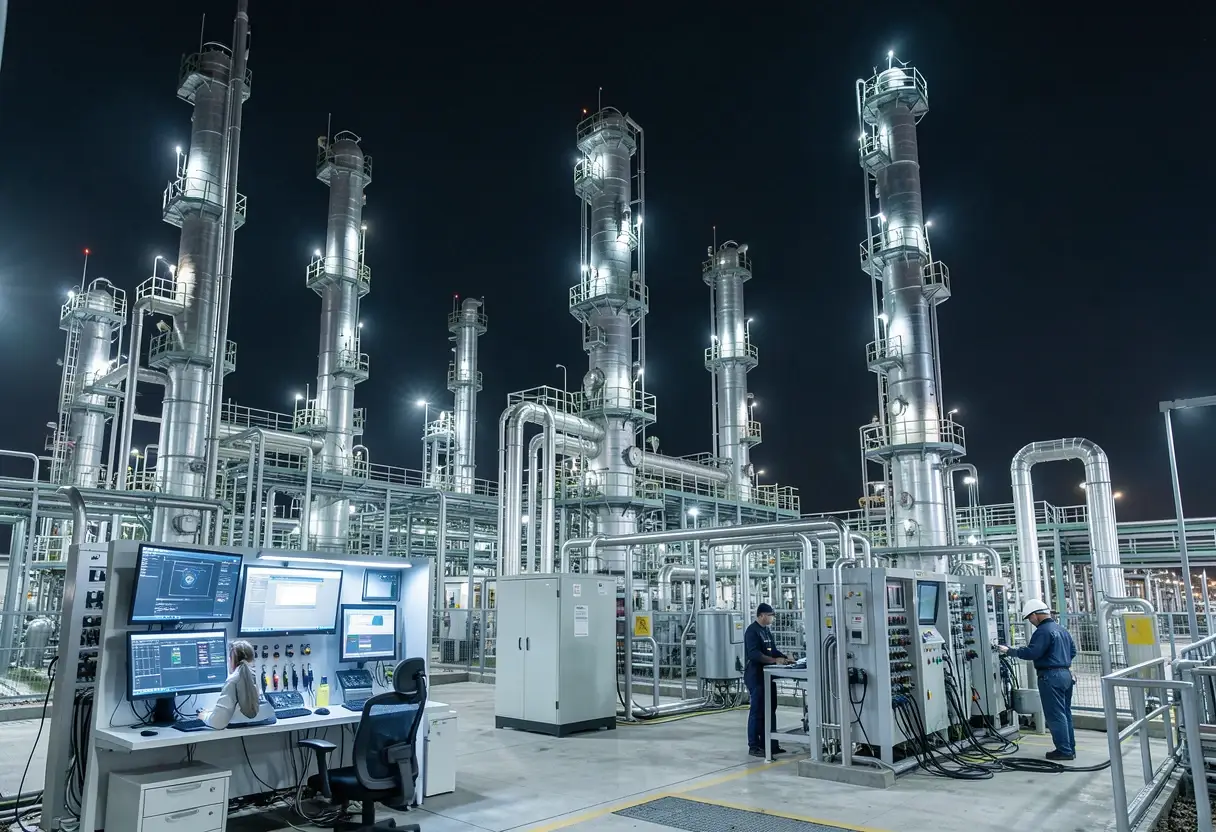
SPECIFICATION
- 1
Gazprom Neftekhim Salavat, processing ~10 million tonnes of crude per year, was struck overnight November 17, with explosions and fire reported.
- 2
The complex sits 1,500 km from the Ukrainian border in Bashkortostan.
- 3
Bashneft-Ufaneftekhim in Ufa (~10 million tonnes per year, 98.4% refining depth) was hit the same night by the 1st Separate Center for Unmanned Systems.
- 4
The Ufa refining hub comprises three refineries with combined capacity up to 23.5 million tonnes per year.
- 5
Salavat produces gasoline, diesel, aviation fuel, lubricants and other products.
Two Russian refining and petrochemical complexes with a combined crude processing capacity of roughly 20 million tonnes per year came under Ukrainian strike overnight on November 17, the General Staff of the Armed Forces of Ukraine reported on Telegram on Tuesday.
The first target was Gazprom Neftekhim Salavat in Bashkortostan, one of Russia's largest oil refining and petrochemical complexes, located 1,500 kilometers from the Ukrainian border.
"On the night of November 17, units of the Ukrainian Defense Forces carried out a strike on the Gazprom Neftekhim Salavat oil refinery in Bashkortostan, located 1,500 kilometers from the border. Following the hit, explosions occurred on the facility's premises, and a fire broke out," the General Staff stated.
What does the Salavat complex produce?
The General Staff emphasized that the Salavat facility is no ordinary plant. It processes approximately 10 million tonnes of oil per year and runs an integrated refining and petrochemical operation.
Its product slate includes:
- gasoline
- diesel
- aviation fuel
- lubricants
- other refined and petrochemical products
According to the General Staff, these outputs support both the Russian economy and the military sector. "Therefore, the fire in Salavat means less fuel for the tanks, trucks, and aircraft fighting against Ukraine, and less money to fund Russia's continued war," the General Staff said.
What was the second target in Ufa?
Separately, Ukraine's Unmanned Systems Forces (the branch operating long-range drones) reported a strike on the same night against the Bashneft-Ufaneftekhim oil refinery in Ufa, also in Bashkortostan. Operators from the 1st Separate Center for Unmanned Systems carried out the attack on November 17.
The Ufaneftekhim plant forms part of the Bashneft oil refining complex in Ufa. Its capacity stands at approximately 10 million tonnes of oil per year, with a refining depth (the share of crude converted into valuable products rather than residual fuel oil) reaching 98.4% — among the highest conversion rates in the industry.
The plant produces high-octane gasoline, diesel fuel, liquefied gases, and other refined petroleum products.
Why does the Ufa complex matter to Russian fuel supply?
The Ufa refining hub as a whole comprises three large oil refineries with a combined capacity of up to 23.5 million tonnes per year, according to the Unmanned Systems Forces. That throughput makes it one of the significant components of the Russian Federation's fuel infrastructure.
For downstream buyers and traders, the attacks put two major supply points in the Volga-Ural region at risk simultaneously. Both complexes sit in Bashkortostan, far from the front line, and until now have been outside the typical range of most Ukrainian systems.
No information on the extent of damage, outage duration, or force majeure declarations at either site was available at the time of the reports. The General Staff and the Unmanned Systems Forces confirmed hits and fire at Salavat but did not publish capacity-loss estimates for either facility.
Russian fuel markets now face the question of how much of the 20 million tonnes of annual processing hit on November 17 will come back online.
via Google News — Petrochemicals (Source)
More from Rebecca Stone
Show full bio
Market editor covering regulation, policy and their impact on Chemicals Weekly is the trade press at Chemicals Weekly.
57 articles