TEST RECORD
- DATE
- November 19, 2026
- DESK
- PETROCHEMICALS
- READ TIME
- 2 MIN
- WORDS
- 464
Fire Hits Gazprom Neftekhim Salavat Complex in Bashkortostan
OSINT analysis by ASTRA confirms a fire at Gazprom Neftekhim Salavat, the 1948-founded refinery and petrochemical complex, as Russia reports intercepting 1,441 drones overnight.
SPECIFICATION
- 1
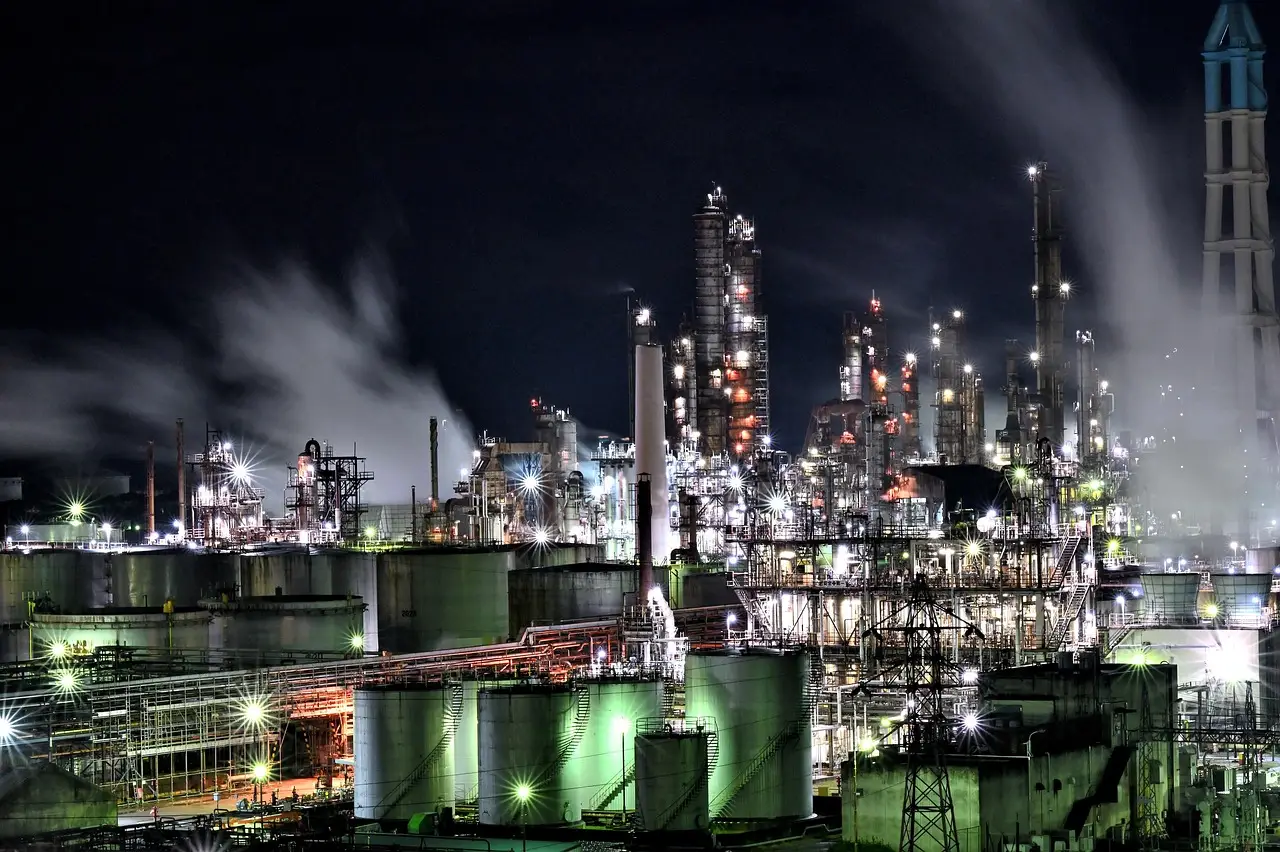
ASTRA OSINT confirmed the fire at the Gazprom Neftekhim Salavat complex in Bashkortostan, established in 1948.
- 2
Russia's Defense Ministry claimed 1,441 UAVs were intercepted overnight across 18 regions.
- 3
The 330 kV Sadovaya substation in Kursk, serving about 400,000 people, was also struck and set ablaze.
- 4
Salavat produces gasoline, diesel, kerosene, polyethylene, polystyrene, ammonia, urea, plasticizers and butyl alcohols.
A fire broke out at the Gazprom Neftekhim Salavat petrochemical complex in Salavat, Russia's Bashkortostan republic, following an overnight attack, according to an OSINT (open-source intelligence) analysis by ASTRA seen by Ukrinform.
The analysis of photographs taken by eyewitnesses confirmed the blaze at the Salavat site. Local residents had earlier reported explosions in the city and a glow from the fire visible even from Sterlitamak, a nearby city roughly 20 km away.
What does the Salavat complex produce?
The company, formerly known as Salavatnefteorgsintez, was established in 1948. Its facilities include an oil refinery, a gas chemical plant and the Monomer plant. The product slate spans:
- Gasoline, diesel fuel, kerosene, fuel oil
- Polyethylene and polystyrene
- Ammonia and urea
- Plasticizers and butyl alcohols
The complex's fuel output contributes to Russia's overall fuel supply, which also matters for military logistics. Polyethylene, polystyrene and plasticizers serve multiple industrial sectors, including potentially materials and components for the defense industry. Salavat also supplies Russian industrial enterprises with large volumes of petroleum products and chemical feedstocks.
What happened in Kursk?
In a second strike geolocated the same night, ASTRA analysts identified an electrical substation serving approximately 400,000 people as the target in Kursk. Around midnight, local residents reported loud explosions and air-defense activity; monitoring Telegram channels subsequently reported "the aftermath on the ground."
Based on eyewitness video analysis, ASTRA identified the burning facility as the Sadovaya electrical substation.
The 330 kV Sadovaya substation is a key hub in the power grid serving the city of Kursk and the northern districts of Kursk region. Rosseti operates it. The facility supplies electricity to roughly 400,000 residents and major industrial enterprises in the city, including the Pribor and Schetmash plants.
The substation, built in 1965, underwent a major reconstruction between 2010 and 2014, when operators commissioned a new-generation substation with digital control systems.
No official statements have been issued regarding either attack or its aftermath.
How large was the drone barrage?
Russia's Defense Ministry claimed the country faced its largest-ever drone attack overnight, saying air defenses intercepted 1,441 UAVs (unmanned aerial vehicles) across 18 Russian regions. The claimed intercept zones included the Moscow region, Bashkortostan, Krasnodar Krai, temporarily occupied Crimea, and the waters of the Sea of Azov and the Black Sea.
The Salavat fire follows a similar incident reported by Ukrinform: a fire broke out near two oil depots in the Russian city of Azov, Rostov region, after a drone attack overnight on November 16.
For chemical-market readers, the Salavat complex ranks among Russia's largest integrated refining and petrochemical sites; damage to its polymer and monomer units could tighten domestic supply of polyethylene, polystyrene and butanol-chain derivatives, though no force-majeure declaration or outage duration has been confirmed.
via Google News — Petrochemicals (Source)
More from Rebecca Stone
Show full bio
Market editor covering regulation, policy and their impact on Chemicals Weekly is the trade press at Chemicals Weekly.
57 articles