TEST RECORD
- DATE
- November 19, 2026
- DESK
- PETROCHEMICALS
- READ TIME
- 3 MIN
- WORDS
- 635
Ukraine strikes Salavat refinery with 10 Mtpa processing capacity
Ukraine’s General Staff says it struck the 10 Mtpa Gazprom Neftohim Salavat refinery in Bashkortostan, 1,500 km from the border; explosions and fire followed.
SPECIFICATION
- 1
The strike occurred overnight on November 16–17 at Gazprom Neftohim Salavat in Bashkortostan.
- 2
The refinery lies 1,500 km from the border and has about 10 million metric tonnes of annual crude-processing capacity.
- 3
Explosions were heard on the refinery grounds and a fire broke out after the strike.
- 4
Salavat produces gasoline, diesel, jet fuel, lubricants and other products.
- 5
OSINT groups reported on November 17 that a drone attack caused the refinery fire.
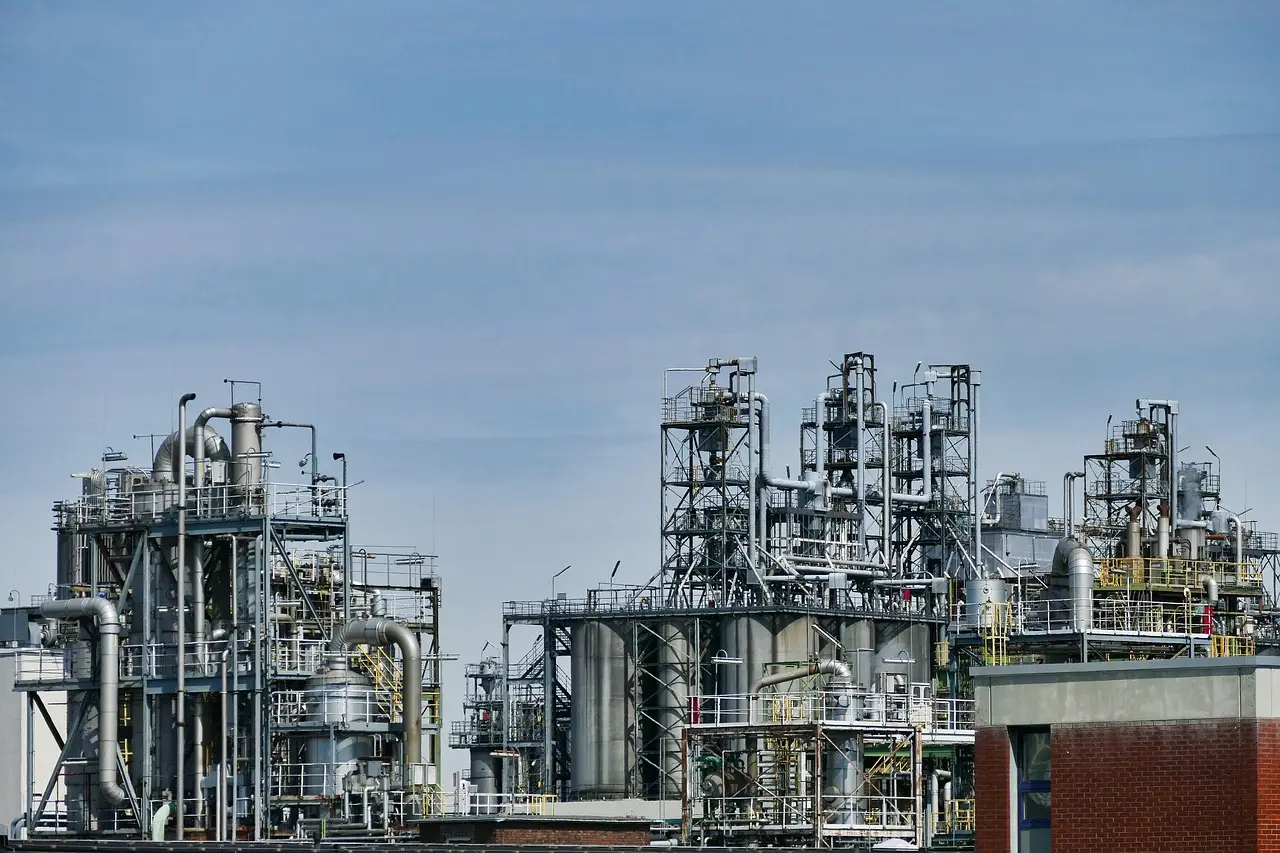
A strike on the Gazprom Neftohim Salavat oil refinery in Bashkortostan set a fire at a complex able to process about 10 million metric tonnes of crude oil a year, Ukraine’s General Staff said.
The General Staff of the Armed Forces of Ukraine confirmed that its forces hit the site on the night of November 16–17. It described the target as “one of Russia’s largest petrochemical complexes,” hundreds of kilometres from the border.
What damage did the strike cause?
The report placed the facility in Salavat, Bashkortostan, 1,500 km from the border. Gazprom Neftohim Salavat operates as an oil refinery and petrochemical complex. After the attack, explosions were heard on the refinery grounds and a fire broke out.
The confirmation did not provide an estimate of structural damage or lost refining capacity. It also gave no outage duration, restart schedule or casualty count. The 10 million tonne figure therefore describes the complex’s annual crude-processing capacity, not a measured loss from the strike.
A major refinery took a hit and caught fire, but the operational damage remains unquantified.
What does Salavat produce?
With capacity to process approximately 10 million metric tonnes of crude oil per year, Salavat ranks among Russia’s largest combined refining and petrochemical sites. Its product range includes gasoline, diesel and jet fuel, alongside lubricants and other products.
The source linked the complex to fuel supply for the Russian economy and military sector. It described the attack as a blow to a key element of Russia’s fuel and energy infrastructure, reducing capacity to make fuel for the military-industrial complex and army.
No product-specific outage figures appeared. The report did not say how much gasoline, diesel, jet-fuel or lubricant output stopped, and it did not quantify the reduction in annual crude runs. Nor did it identify the refinery units or production lines affected.
The plant makes strategic fuels and lubricants, but no tonnes of lost output were reported.
What did OSINT groups establish?
On November 17, OSINT groups reported the fire at the Salavat refinery and attributed it to a drone attack. That account supplied the reported method; the General Staff statement confirmed the strike and named the target.
The same source said a bridge in temporarily occupied Crimea was under attack that night. It also said Zelenskyy revealed details of the operation. The item did not set out those details, specify which bridge was involved or connect the Crimea incident to the refinery strike.
Neither account, as reproduced in the source, gave the number and location of damaged units, the extent of the fire, casualties or a recovery timetable. The 1,500 km distance placed the refinery well beyond the immediate border region.
The attack method is reported as a drone strike; the plant damage and recovery plan remain undisclosed.
What does this mean for fuel supply?
For industry buyers, the report raises immediate supply questions but supplies few answers. No crude allocation, product inventory, shipment, price or plant-restart data accompanied the announcement. The source also gave no commercial-market figures alongside its assessment of military supply.
The stated consequence was lower Russian fuel-production capacity and reduced supply to the military-industrial complex and army. The commercial conclusion remains more limited: Salavat’s annual crude capacity is known, but the amount of gasoline, diesel, jet fuel and lubricants unavailable to buyers is not.
The distinction matters because capacity and damage are not the same measure. A 10 million metric-tonne processing figure cannot serve as a tonnage loss unless the report supplies the affected units and operating rate. Until that information emerges, any assessment of Russian fuel availability would go beyond the confirmed account.
The confirmed facts are a strike, explosions and fire; the market supply impact has not been sized.
via Google News — Petrochemicals (Source)
More from Amara Osei
Show full bio
Senior reporter covering people, launches and day-to-day practice in Chemicals Weekly is the trade press at Chemicals Weekly.
50 articles