TEST RECORD
- DATE
- November 22, 2026
- DESK
- PETROCHEMICALS
- READ TIME
- 3 MIN
- WORDS
- 536
Nghi Son refinery cuts energy intensity to 90.3%, saves $300m a year
Vietnam's Nghi Son refinery cut energy intensity from 104.2% to 90.3% and logs $300m/year in recurring savings, with ethylene and methanol projects under feasibility review.
SPECIFICATION
- 1
NSRP cut its energy intensity index from about 104.2% to 90.3% over 2022–2026
- 2
More than 1,500 improvement initiatives since 2021 yield nearly $300 million per year in recurring benefits
- 3
The refinery commercially processes 10 crude types and 4 intermediate feedstocks out of 19 evaluated
- 4
Operational readiness rose from 88.2% to 96.3%
- 5
A digital transformation roadmap was completed in 2026, with feasibility studies on ethylene, methanol, carbon black and polycarbonate
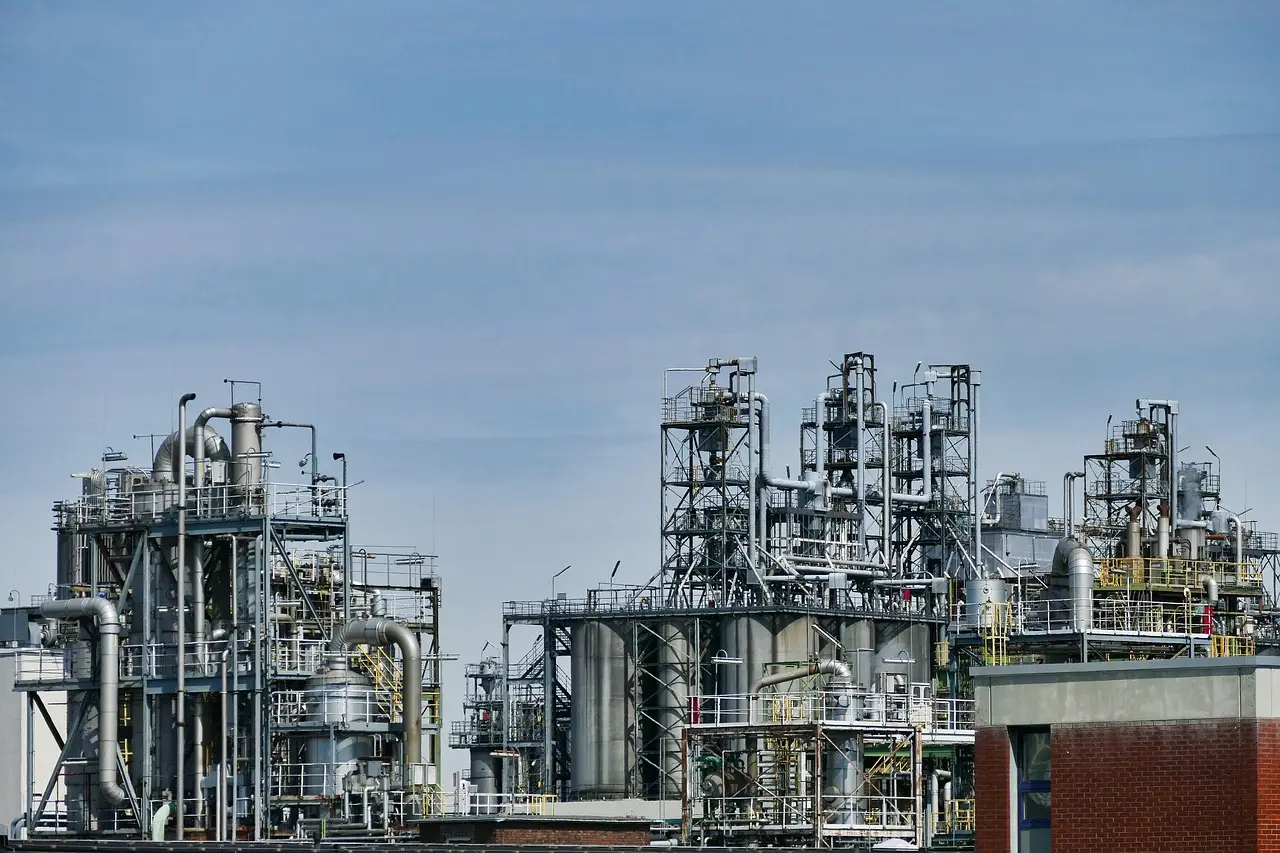
Vietnam's Nghi Son Refinery and Petrochemical Company (NSRP) has cut its energy intensity index (energy consumed per unit of output) from roughly 104.2% to 90.3% across the 2022–2026 period, while lifting operational readiness from 88.2% to 96.3%, according to Deputy General Director Pham Van Chat. The gains anchor a broader Ministry of Industry and Trade push under Resolution No. 57-NQ/TW, the Politburo directive on science, technology, innovation and national digital transformation.
The plant, a key national oil and gas project, has run stably at high capacity since 2023 after a restructuring and a synchronized program to improve management, operation and maintenance, Chat said.
Where do the savings come from?
Rather than buying external technology wholesale, NSRP has leaned on its domestic engineers and operators. A continuous improvement program launched in 2021 has logged more than 1,500 technical improvement initiatives, operational optimizations and energy-saving measures.
The payoff is quantified:
- Recurring benefits of nearly $300 million per year
- One-time benefits of nearly $100 million
The company has also diversified feedstock sourcing to hedge against global market volatility. To date it has completed evaluations of 19 types of crude oil and intermediate feedstocks, and has commercially processed 10 crude types and 4 intermediate feedstocks — a step NSRP frames as improving production flexibility and national energy security.
What does the digital roadmap cover?
NSRP finished drafting its overall digital transformation roadmap in 2026, based on a digital maturity assessment and a business-process review. Priority technology initiatives target six areas: production-operations, supply chain, maintenance, safety assurance, corporate governance and human resource development.
Under the four pillars of its 2030 Action Plan, the refinery is studying an expansion into higher-value chemical, petrochemical and materials chains by maximizing use of existing raw materials, intermediates, by-products and infrastructure. Feasibility work covers:
- Sulfuric acid production
- Ammonia and hydrogen recovery
- Carbon black development
- Ethylene, polymers and polycarbonate
- Methanol and low-carbon ammonia
The direction aligns with Vietnam's green industry and circular economy strategy.
What is the state's role?
During a recent working visit and on-site inspection at the Nghi Son plant, Nguyen Thi Lam Giang, Director of the Department of Science, Technology and Digital Transformation at the Ministry of Industry and Trade, stressed decisive implementation of the major challenges identified for the industry, with specific tasks assigned to each unit and enterprise. Large-scale enterprises like NSRP, she said, play a core role in researching and developing strategic technological products matched to practical capabilities.
Nguyen affirmed that the state is continuing to improve institutions, mechanisms and policies to remove bottlenecks and unlock resources for science, technology and digital transformation. The breakthrough factor, she said, is the close linkage of the "three parties" — the state, scientists and businesses — so research results move quickly into production and solve complex technological problems.
The department's surveys and on-site work aim both to resolve enterprise difficulties promptly and to build consensus from central to local government.
NSRP's numbers — 1,500 improvement initiatives, 14 commercial feedstocks, a 13.9-point drop in energy intensity — now serve as the ministry's working template for turning Resolution 57 into measurable plant-level output.
via Google News — Petrochemicals (Source)
More from Rebecca Stone
Show full bio
Market editor covering regulation, policy and their impact on Chemicals Weekly is the trade press at Chemicals Weekly.
57 articles