TEST RECORD
- DATE
- November 24, 2026
- DESK
- PETROCHEMICALS
- READ TIME
- 4 MIN
- WORDS
- 810
Nghi Son refinery saves $300m/year under continuous improvement drive
NSRP has logged over 1,500 improvement initiatives since 2021 worth nearly US$300m per year, cut energy intensity to 90.3 percent, and is screening ethylene, methanol and ammonia projects.
SPECIFICATION
- 1
Over 1,500 improvement initiatives since 2021 yield recurring benefits of nearly US$300 million per year plus one-time benefits of nearly US$100 million.
- 2
Energy intensity index fell from about 104.2 to 90.3 percent and operational readiness rose from 88.2 to 96.3 percent between 2022 and 2026.
- 3
10 of 19 evaluated crude oils and 4 intermediate feedstocks have entered commercial processing.
- 4
A comprehensive digital transformation roadmap with an external consulting firm is planned for 2026.
- 5
Downstream candidates under study include ethylene, polymers, methanol, low-carbon ammonia, polycarbonate, carbon black, sulfuric acid, and hydrogen and ammonia recovery.
More than 1,500 improvement initiatives implemented since 2021 have delivered recurring benefits of nearly US$300 million per year at Nghi Son Refinery and Petrochemical Company Limited (NSRP), the operator told a visiting Ministry of Industry and Trade delegation on November 19, 2026. One-time gains from the same program add up to almost US$100 million.
The delegation, led by Ms. Nguyen Thi Lam Giang, Director of the Department of Science, Technology and Digital Transformation, surveyed the refinery at Nghi Son in Thanh Hoa province to assess science, technology, innovation and digital transformation activity at the company. Deputy General Director Pham Van Chat presented the operational and technology results.
What did the restructuring deliver?
After restructuring and measures covering management, operation, maintenance and technology optimization, the plant has maintained stable operation at high capacity since 2023, the company reported. Equipment reliability, energy efficiency and product recovery rates have all improved gradually over the period.
Two index moves quantify the recovery:
- The plant's energy intensity index fell from approximately 104.2 to 90.3 percent between 2022 and 2026.
- Operational readiness (the share of time the plant is available to run) rose from 88.2 percent to 96.3 percent over the same period.
The continuous improvement program launched in 2021 targets optimized operations, energy savings, equipment reliability, better management processes and higher labor productivity. NSRP said the majority of the 1,500-plus initiatives were researched, developed and implemented with internal resources, calling in technology experts and technical partners only when needed.
How is the refinery widening its feedstock slate?
On the technology front, the company is building internal technical capability, diversifying raw material sources and optimizing processing conditions. It has completed evaluation of 19 types of crude oil and intermediate feedstocks (semi-processed streams used as plant inputs).
Of those, 10 crude types and 4 intermediate feedstocks have been successfully introduced into commercial processing. The company said this gives the refinery a basis for greater production flexibility when raw material supply fluctuates.
When does the digital transformation roadmap land?
In 2026, NSRP will work with a consulting firm to develop a comprehensive digital transformation roadmap. The work will rest on an assessment of current conditions, the company's level of digital maturity, a review of business processes, research into technological solutions and identification of priority initiatives.
The roadmap will cover six areas: production and operations, supply chain, maintenance, safety, corporate governance and human resources.
Which downstream chemicals are on the table?
The company's forward R&D agenda is tied to the four pillars of its 2030 Action Program:
- Diversification and enhancement of raw material flexibility
- Trade and market development
- Value chain development through investment cooperation and industrial linkages
- Digital transformation
Within the value-chain pillar, NSRP is studying higher value-added chemical, petrochemical and materials product chains that would leverage existing raw materials, intermediate products, by-products, process gases and infrastructure. Research directions listed include:
- Sulfuric acid production
- Ammonia recovery
- Hydrogen recovery
- Carbon black
- Ethylene and polymers
- Methanol
- Low-carbon ammonia
- Polycarbonate
The company stressed that these opportunities remain at various stages of research and preparation. Each will be evaluated against technological feasibility, market potential, economic efficiency and investment conditions before any commitment.
What did the ministry say?
Speaking at the meeting, Ms. Nguyen Thi Lam Giang acknowledged and highly appreciated the company's results in improving operational capacity, mastering technology, promoting innovation initiatives and gradually implementing digital transformation.
She emphasized that businesses proactively researching and applying technology, developing internal technical capabilities and improving production efficiency are crucial factors contributing to enhanced competitiveness, industrial development and national energy security.
On sector-wide technology policy, the Director said the major challenges identified for the Industry and Trade sector must be implemented, with tasks assigned to each unit and enterprise. NSRP in particular is tasked with researching and developing strategic technological products suited to its capabilities, practical conditions and development orientation.
Ms. Nguyen Thi Lam Giang also affirmed that the State is continuing to improve mechanisms and policies on science, technology, innovation and digital transformation, with a focus on strengthening the link between the State, scientists and businesses. She said effective use of that three-way linkage is crucial to moving research results into practical production, solving technological problems and creating high value-added products.
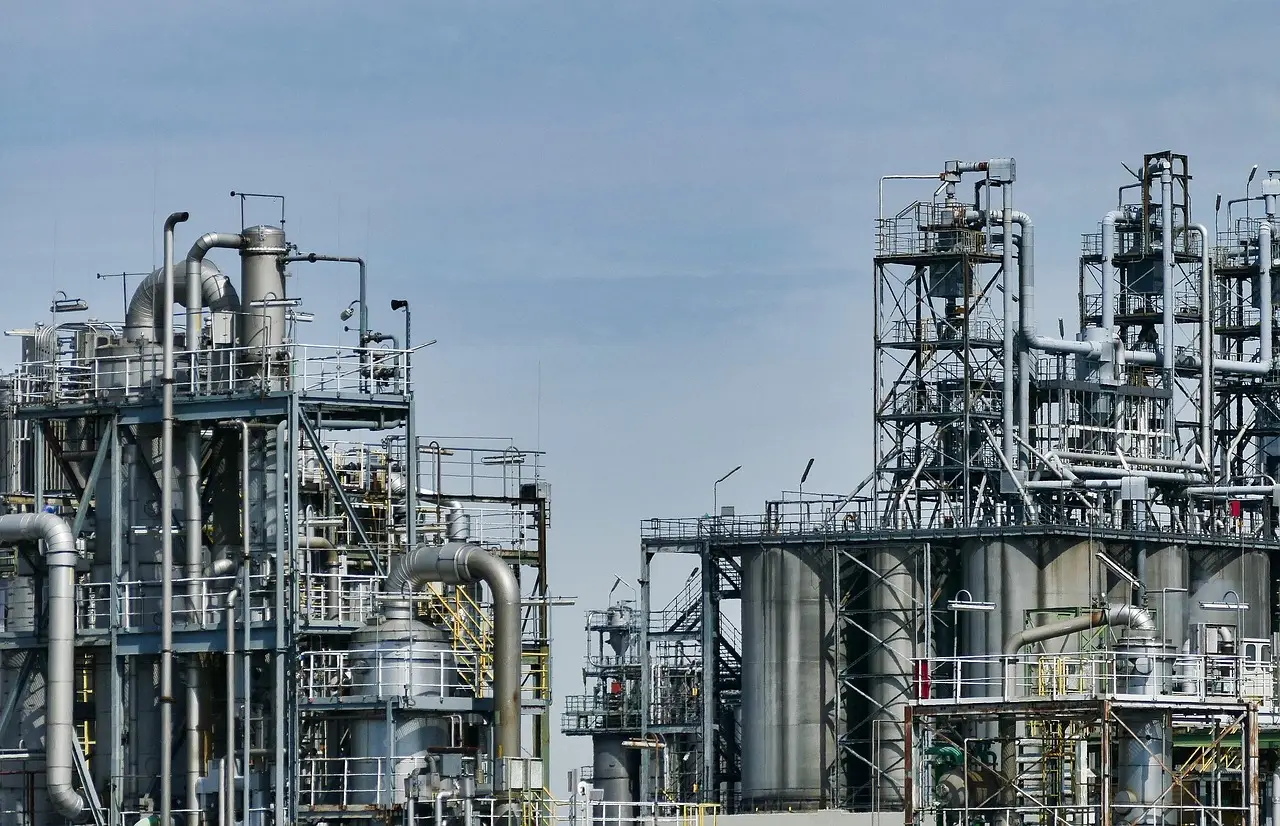
Following the working session, the delegation toured the Nghi Son refinery to see production, operation and technology application directly.
The department said survey programs of this kind let state management agencies understand implementation on the ground, hear needs and recommendations from businesses, and then advise on support solutions and policies aligned with the practical requirements of industry. The program supports the Party and State's orientations on science and technology, innovation, digital transformation and strategic technology products, and works to strengthen the technological self-reliance of the Ministry of Industry and Trade.
via Google News — Petrochemicals (Source)
More from Rebecca Stone
Show full bio
Market editor covering regulation, policy and their impact on Chemicals Weekly is the trade press at Chemicals Weekly.
57 articles