TEST RECORD
- DATE
- November 19, 2026
- DESK
- PETROCHEMICALS
- READ TIME
- 2 MIN
- WORDS
- 430
Kyiv Confirms Strike on Nizhnekamskneftekhim and TAIF-NK Refinery
Ukraine confirmed strikes on Nizhnekamskneftekhim and TAIF-NK in Tatarstan, refining $36 million of crude daily, plus the Monolit aircraft plant in Bryansk Oblast.
SPECIFICATION
- 1
Strikes confirmed on Nizhnekamskneftekhim and TAIF-NK refinery, hit 1,200 km inside Russia
- 2
The two Tatarstan facilities refine $36 million of crude oil daily
- 3
Nizhnekamskneftekhim synthetic rubber is used as binder in Iskander solid rocket propellant
- 4
Monolit aircraft plant in Trubchevsk, Bryansk Oblast, struck the same day
- 5
Taneco in Nizhnekamsk was struck earlier, confirmed September 13; Volgograd refinery hit November 13
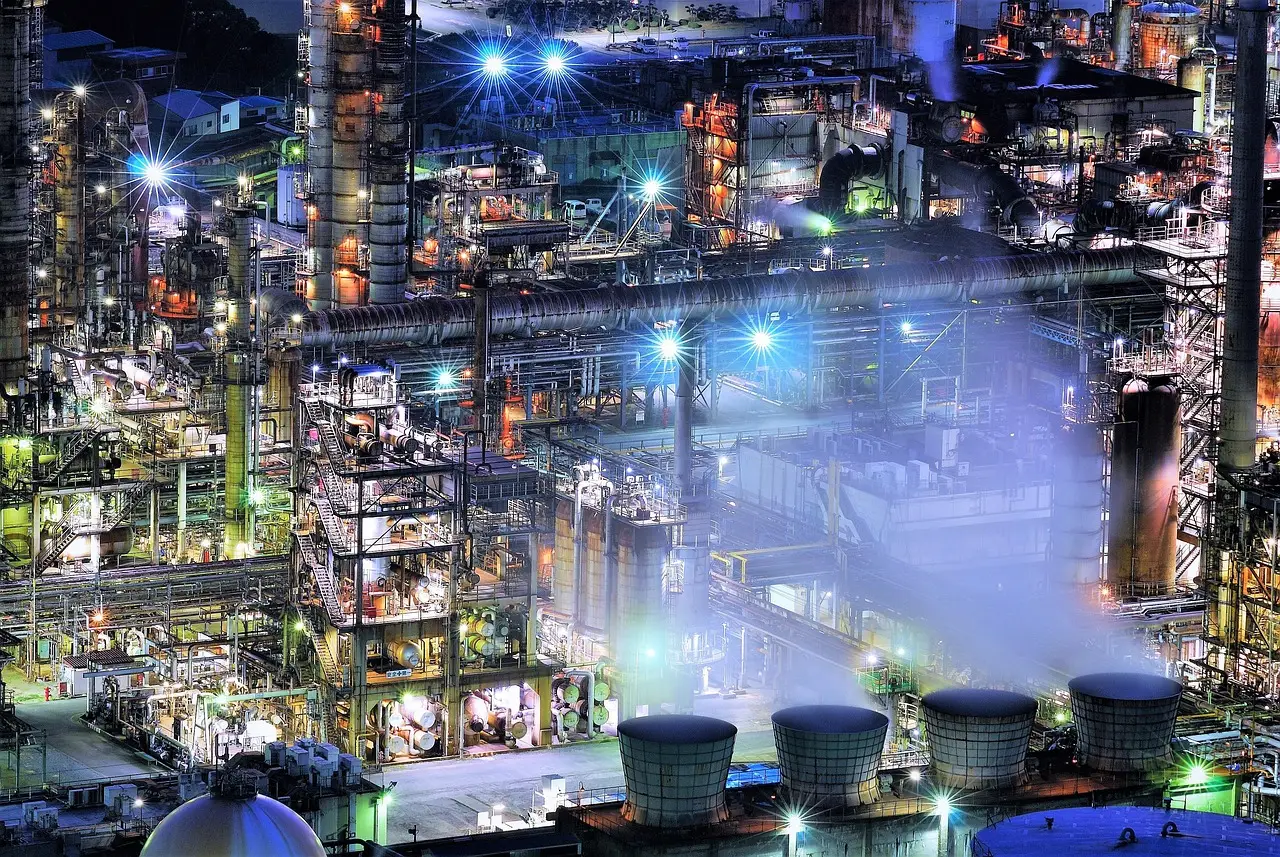
Ukraine's General Staff and Ministry of Defense confirmed strikes on the Nizhnekamskneftekhim petrochemical plant and the Nizhnekamsk Oil Refinery (TAIF-NK) in Tatarstan, two facilities that together process $36 million worth of crude oil and produce rubber and plastics every day.
The Ministry of Defense said Ukrainian forces reached targets in Tatarstan after advancing 1,200 km deep into Russian territory. On the same day, a third facility — the joint-stock company "Monolit" in Trubchevsk, Bryansk Oblast — was struck. Monolit belongs to Russia's military-industrial complex and manufactures aircraft, including helicopters, along with components, spare parts and metalworking output.
The confirmation, issued on November 15, followed earlier local reporting: Radmir Belyaev, mayor of Nizhnekamsk, reported an attack on the city's industrial zone the same day, and an OSINT analysis by the Russian channel Astra identified Nizhnekamskneftekhim as the targeted complex.
What does the strike hit in the supply chain?
According to the General Staff, certain grades of synthetic rubber produced at Nizhnekamskneftekhim serve as the binding agent (the polymer matrix holding oxidizer and fuel together) in solid rocket propellant for Iskander ballistic missiles, which Russia uses regularly against Ukraine.
The General Staff framed the operational impact in supply terms: "Every day these plants are idle means fewer tires for vehicles transporting ammunition to the front, fewer rubber parts for armored vehicles and aircraft, fewer raw materials for the missile industry, and less fuel for the Russian military."
For the chemical trade, the implications are concrete:
- Synthetic rubber output at one of Russia's main petrochemical hubs is now at risk of sustained disruption.
- Plastics and rubber goods feeding vehicle, aircraft and armor component chains face potential feedstock gaps.
- Refined-product supply from TAIF-NK adds to pressure on Russia's domestic fuel balance.
Is this the first hit on Nizhnekamsk?
No. Ukrainian forces have struck the Nizhnekamsk industrial zone on multiple occasions. The General Staff confirmed an earlier attack on the Taneco refinery complex there on September 13. The latest strikes extend a pattern of targeting deep-rear energy and petrochemical assets.
Broader pressure on Russian refining is also mounting. On November 13, reports surfaced of a drone attack on the Volgograd Oil Refinery, which caused a fire and long lines at gas stations — a sign that downstream fuel distribution, not just primary capacity, is starting to buckle.
For buyers of Russian-origin rubber, plastics and refined products, the message from Nizhnekamsk is that distance from the front no longer guarantees supply continuity: 1,200 km of depth did not protect the country's largest petrochemical cluster.
via Google News — Petrochemicals (Source)
More from Rebecca Stone
Show full bio
Market editor covering regulation, policy and their impact on Chemicals Weekly is the trade press at Chemicals Weekly.
57 articles