TEST RECORD
- DATE
- November 19, 2026
- DESK
- PETROCHEMICALS
- READ TIME
- 2 MIN
- WORDS
- 496
Drone Strike Hits Nizhnekamskneftekhim, Fire at Russia's Largest Petrochemical Site
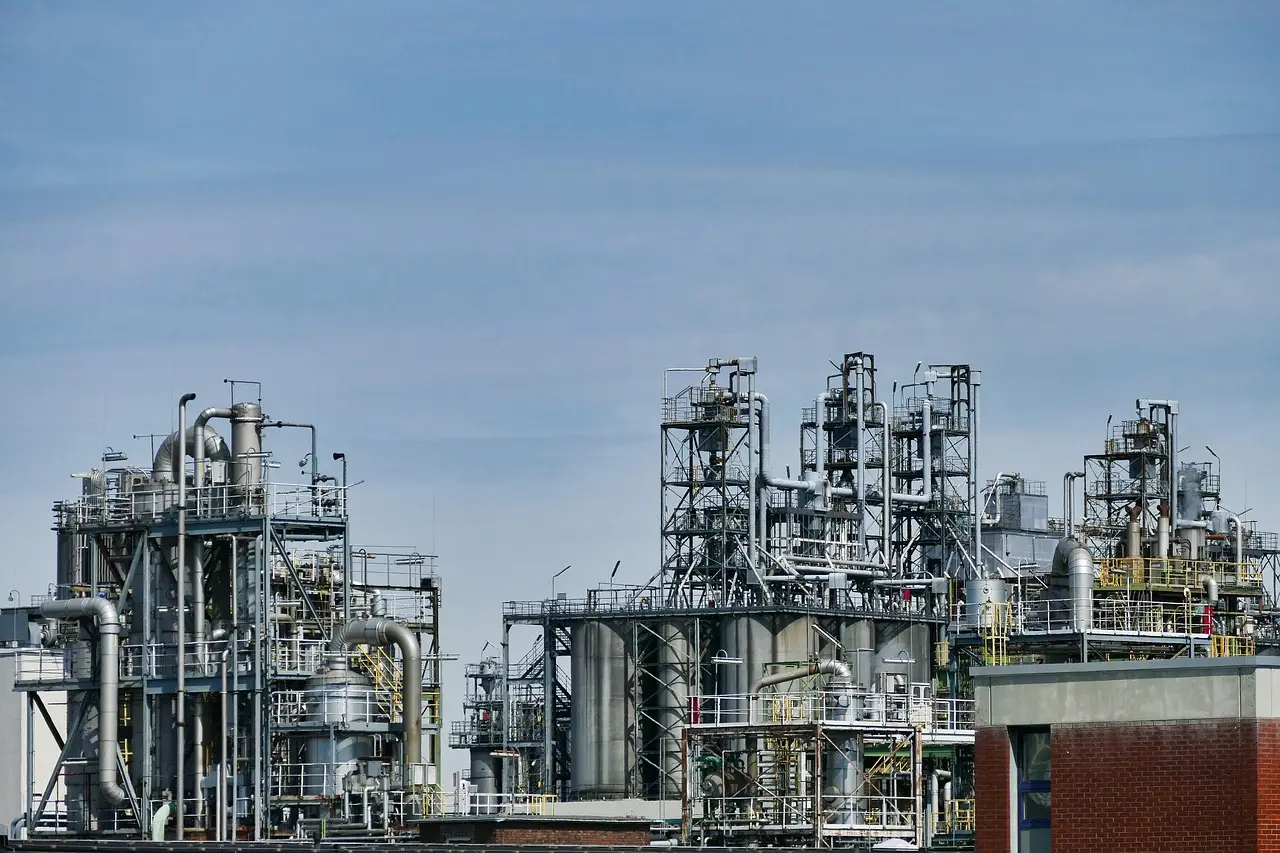
Drones struck Nizhnekamsk in Tatarstan on November 15; OSINT sources identify the target as Nizhnekamskneftekhim, the Sibur plant that made 3 million tonnes of petrochemicals in 2025.
SPECIFICATION
- 1
Drone strike on November 15 hit an industrial facility in Nizhnekamsk, Tatarstan, reportedly Nizhnekamskneftekhim.
- 2
Nizhnekamskneftekhim produced 3 million metric tons of petrochemical products in 2025.
- 3
The site's EP-600 ethylene complex has capacity of 600,000 metric tons per year.
- 4
Ukraine confirmed striking Lukoil-Volgograd refinery (~15 million tonnes/year crude capacity) on November 13.
- 5
Five major Russian refineries — Omsk, Kirish, Ryazan, Nizhny Novgorod, Yaroslavl — were struck days earlier.
A drone strike overnight on November 15 hit an industrial facility in Nizhnekamsk, Tatarstan, with OSINT sources identifying the target as Nizhnekamskneftekhim, one of Russia's and the world's largest petrochemical producers. Video footage circulating online shows a fire at the site, and eyewitnesses reported the attack continued after the initial strike, according to RBC-Ukraine.
Buyers of Russian synthetic rubber and plastics should treat the identification as preliminary. OSINT sources and local residents point to Nizhnekamskneftekhim as the presumed target; Russian authorities have released no official data on the consequences of the attack. That silence cuts both ways — it neither confirms nor rules out damage to process units, and no force-majeure declarations or force-majeure notices to customers have surfaced so far.
What is at stake at Nizhnekamsk?
Nizhnekamskneftekhim belongs to the Sibur holding and produces synthetic rubbers and plastics — core feedstock-adjacent materials for tire makers, polymer converters and compounders across Europe and Asia. The scale is significant by any benchmark: in 2025 the company produced 3 million metric tons of petrochemical products.
The site's newer capacity adds to the exposure. The EP-600 complex, an ethylene cracker (the unit that converts feedstock into ethylene, the base molecule for most plastics), is capable of producing up to 600,000 metric tons of ethylene per year. Any damage to cracking furnaces, compression or fractionation sections would mean months, not weeks, of repair — though, again, no damage assessment has been published to support that scenario yet.
Is this part of a wider campaign?
Yes. Strikes against the Russian oil industry have been ongoing since late October, and the Nizhnekamsk strike fits an accelerating pattern against refining and petrochemical assets.
Key recent developments:
- On the night of November 13, a fire broke out at the Volgograd oil refinery following a massive drone attack. The General Staff of the Armed Forces of Ukraine subsequently confirmed that Ukrainian forces struck Lukoil-Volgograd, one of Russia's largest refineries, with a capacity of approximately 15 million metric tons of crude oil per year.
- Days earlier, the Ukrainian military struck five of Russia's largest oil refineries: Omsk, Kirish, Ryazan, Nizhny Novgorod and Yaroslavl.
- The Saratov and Novokuybyshevsk refineries were also targeted in the same wave.
What should chemical buyers watch now?
Three things will determine the market impact over the coming weeks: an official or credible independent damage assessment at Nizhnekamsk, any declarations of force majeure from Sibur or Nizhnekamskneftekhim on rubber and plastics shipments, and export schedule disruptions from the affected refineries, which supply feedstock slates to downstream petrochemical sites.
The refinery campaign alone — roughly 15 million tonnes per year of capacity hit at Volgograd, plus five other major refineries struck in one wave — already narrows Russian domestic fuel and feedstock balances. A confirmed hit on a 3-million-tonne-per-year petrochemical complex would extend that pressure into polymers and rubbers.
Nothing is confirmed until Moscow or Sibur says so, and neither has said anything.
via Google News — Petrochemicals (Source)
More from Grace Kim
Show full bio
Staff writer covering money, funding and market shifts around Chemicals Weekly is the trade press at Chemicals Weekly.
46 articles