TEST RECORD
- DATE
- November 19, 2026
- DESK
- PETROCHEMICALS
- READ TIME
- 2 MIN
- WORDS
- 481
Ukrainian drones hit Sibur's Nizhnekamskneftekhim complex
Drone strike damaged Nizhnekamsk industrial zone; fire reported at Sibur's NKNK complex, three injured. Taganrog substation attack killed one engineer. Moscow claims 533 drones downed.
SPECIFICATION
- 1
Three people injured in drone attack on Nizhnekamsk, Tatarstan, on Sunday.
- 2
Fire reported at Sibur-owned Nizhnekamskneftekhim complex; footage unverified by AFP.
- 3
One electrical substation engineer killed in Taganrog, Rostov region.
- 4
Russia claims 533 drones downed across 12 regions and Crimea; figure unverified.
- 5
Nizhnekamsk has about 240,000 residents and hosts refineries and large chemical plants.
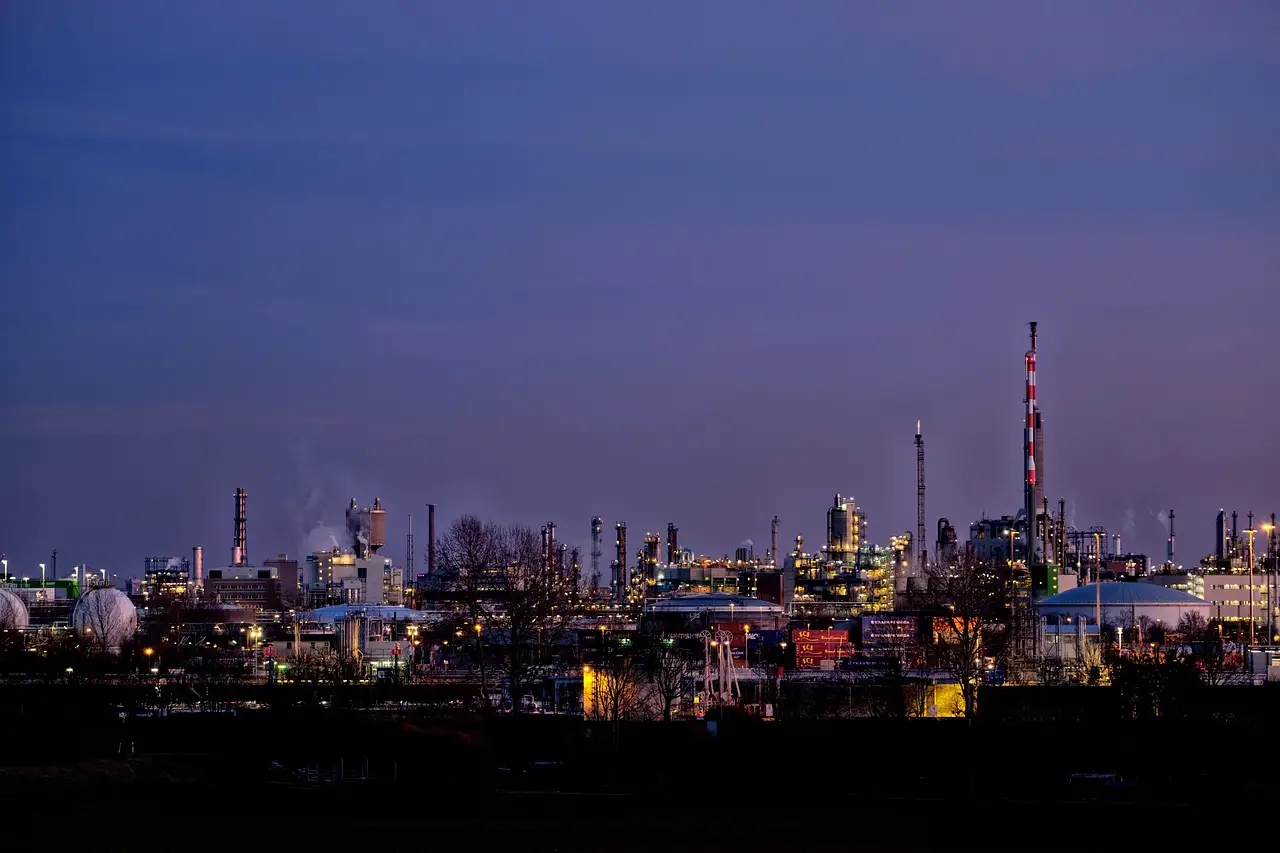
A prolonged Ukrainian drone attack damaged industrial facilities in Nizhnekamsk, the petrochemical hub of Tatarstan, early Sunday, with Russian and Ukrainian media reporting a fire at the Nizhnekamskneftekhim (NKNH) complex owned by Sibur, Russia's largest petrochemical producer. Three people were injured, according to regional authorities cited by Russian media.
Nizhnekamsk Mayor Radmir Belyaev confirmed the strike on Telegram: "Early this morning, Nizhnekamsk was the target of a massive and prolonged attack by enemy drones. As a result of this attack, facilities in the industrial zone were damaged." He added that a residential building was also damaged in the city of roughly 240,000 people.
What do we actually know about the NKNK damage?
Unverified social media footage showed flames and thick smoke rising above an industrial site, but AFP said it had not independently authenticated the videos. Neither Sibur nor NKNH has, so far, issued any public statement on the extent of the damage, outage duration or feedstock impact — a silence that leaves downstream buyers of the site's olefins, rubbers and plastics without operational detail.
Nizhnekamsk is no peripheral asset. The city hosts oil refineries and large-scale chemical production alongside the NKNH complex, making it one of the anchors of Russia's petrochemical output. Any extended outage there would ripple into domestic and export supply of basic polymers. For now, no force majeure declarations or capacity figures have been confirmed.
What happened in Taganrog?
In a separate overnight attack, an electrical substation engineer was killed in Taganrog, an industrial port city in the Rostov region near the Ukrainian border, Governor Yuri Slyusar said. Mayor Svetlana Kambulova said a fire at the substation had been extinguished and that authorities declared a local state of emergency.
Power infrastructure serving industrial sites is increasingly in the crosshairs. The Taganrog strike did not directly hit chemical capacity, but substation losses in Russia's south compound logistics and energy-supply risk for regional industry.
How large was the drone wave?
Russia's Defense Ministry claimed its air defenses shot down 533 Ukrainian drones between Saturday night and Sunday morning, with interceptions across 12 Russian regions and Russian-annexed Crimea. The figure could not be independently verified, and Moscow's tally — like Kyiv's — should be read as a belligerent's number, not audited data.
There was no immediate response from Kyiv to the latest attacks. Ukraine has previously said it targets Russian industrial facilities in response to deadly Russian strikes against Ukrainian territory.
What should chemical buyers watch next?
- Confirmation or denial from Sibur on damage at NKNH and any unit shutdowns.
- Independent imagery or satellite verification of burn scope at the industrial zone.
- Insurance and freight repricing for shipments routed through affected regions.
For an industry already running lean on spare capacity, an unverified fire at one of Russia's flagship petrochemical sites is a risk buyers cannot afford to leave unexamined.
via Google News — Petrochemicals (Source)
More from Grace Kim
Show full bio
Staff writer covering money, funding and market shifts around Chemicals Weekly is the trade press at Chemicals Weekly.
46 articles