TEST RECORD
- DATE
- November 22, 2026
- DESK
- INDUSTRIAL GASES
- READ TIME
- 3 MIN
- WORDS
- 672
NYK unveils Izanami as first ammonia-fuelled medium gas carrier
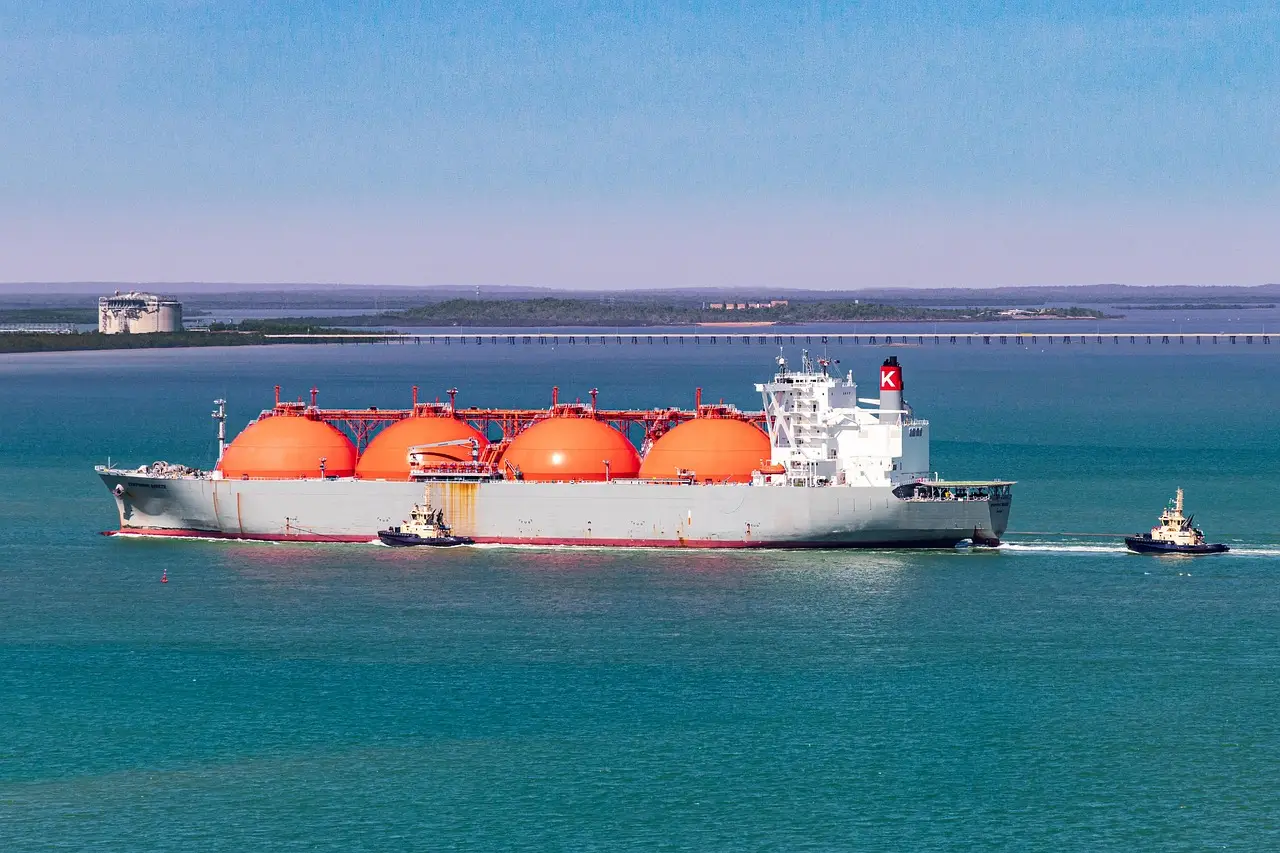
NYK’s 17 November unveiling of Izanami at JMU’s Ariake Shipyard offers a working test of ammonia-fuelled main and auxiliary engines ahead of charter voyages with Yara Clean Ammonia.
SPECIFICATION
- 1
IndexBox reported that Izanami was unveiled on 17 November as the world's first medium gas carrier with ammonia-fuelled main and auxiliary engines.
- 2
The presentation took place at JMU's Ariake Shipyard on 17 November.
- 3
A time-charter with Yara Clean Ammonia will support Izanami's demonstration voyages.
- 4
Trials will collect data across four areas: fuel handling, engine performance, maintenance requirements and crew procedures.
- 5
IndexBox published the report on 20 November 2026 at 03:48 PM IST.
NYK unveiled Izanami on 17 November as the world’s first medium gas carrier equipped with ammonia-fuelled main and auxiliary engines, according to IndexBox. The presentation took place at JMU’s Ariake Shipyard. Izanami belongs to the fleet segment that moves liquefied gas and related cargoes.
IndexBox described the ship as “the world’s first medium gas carrier equipped with ammonia-fuelled main and auxiliary engines.” It called Izanami a “live test bed for alternative marine fuels.” IndexBox published the report on 20 November 2026 at 03:48 PM IST.
Why is ammonia gaining traction in marine fuel?
Shipping companies face growing pressure to cut carbon emissions. Ammonia contains no carbon, which makes it attractive to operators seeking lower greenhouse-gas output from marine transport, although engineering and safety challenges still make deployment slow and carefully managed.
Izanami moves that debate beyond the concept stage. Its main and auxiliary engines provide a working test of ammonia across primary and supporting duties. An auxiliary engine supports the main propulsion system. Engine makers, shipbuilders and cargo operators can now examine whether the technology scales reliably, safely and economically.
What will the demonstration voyages test?
Izanami is slated for a time-charter (a period hire of the vessel) with Yara Clean Ammonia. Demonstration voyages will give operators and fuel suppliers a platform to test ammonia beyond design studies and laboratory trials, bridging prototype engineering and wider commercial adoption.
The voyage programme will collect operational data on:
- Fuel handling
- Engine performance
- Maintenance requirements
- Crew procedures
The trials will assess whether ammonia can support regular commercial operations among vessels that move liquefied gas and related cargoes. Marine fuels must work over long routes and in varied weather, not only under controlled trial conditions. The practical output is operating evidence for fuel suppliers, ship crews and cargo interests.
What does this change for shipowners and cargo owners?
For cargo owners and charterers, Izanami offers a view of alternative-fuel performance in normal service. That matters because shipowners weigh three factors when ordering new vessels:
- Fuel flexibility, meaning the ability to use more than one fuel
- Emissions compliance, meaning the ability to meet applicable emissions rules
- Long-term asset value, including operating and resale value over a ship’s life
For shipbuilders, Izanami offers a reference case for aligning newbuild programmes (orders for new vessels) with decarbonisation (emissions reduction) goals, while charterers and cargo owners gain data for judging ammonia-fuelled tonnage (ammonia-powered vessel capacity).
Even a limited first series can influence design standards across a fleet segment if it proves viable in service. No fleet-wide switch follows from the unveiling alone. The vessel has to complete its demonstration voyages before operators can judge reliability, safety and cost in service.
Why does Yara Clean Ammonia’s role matter?
As a supplier and trader in the ammonia value chain (the supply and trade network for ammonia), Yara Clean Ammonia can gain operational insight while helping build confidence among potential customers and regulators.
Peers across shipping and chemicals will likely watch the result closely. Both sectors sit at the centre of the ammonia ecosystem. Evidence from a working vessel can shape fuel supply, vessel investment and commercial use across the two industries.
What could wider adoption mean?
If Izanami performs as intended, it could accelerate interest in ammonia-fuelled tonnage among owners seeking lower emissions without waiting for a single dominant marine fuel to emerge. That makes the project relevant even if early deployment remains limited.
Each successful demonstration strengthens the case for broader adoption. The launch therefore exceeds a naming ceremony. It is a practical test of whether ammonia can move from ambition to routine operation in one of the most demanding transport sectors. Izanami could become a template for cleaner propulsion if the ship proves reliable, safe and economical.
The next stage is the demonstration voyages with Yara Clean Ammonia. That work will produce the first operating record. Until it does, the ship marks a technical milestone rather than a proven commercial standard.
via Google News — Chemical Industry (Source)
More from Sophie Lindqvist
Show full bio
News editor covering regulation, policy and their impact on Chemicals Weekly is the trade press at Chemicals Weekly.
53 articles