TEST RECORD
- DATE
- November 26, 2026
- DESK
- PETROCHEMICALS
- READ TIME
- 3 MIN
- WORDS
- 621
S-Oil inaugurates $7bn Shaheen crude-to-chemicals complex in Ulsan
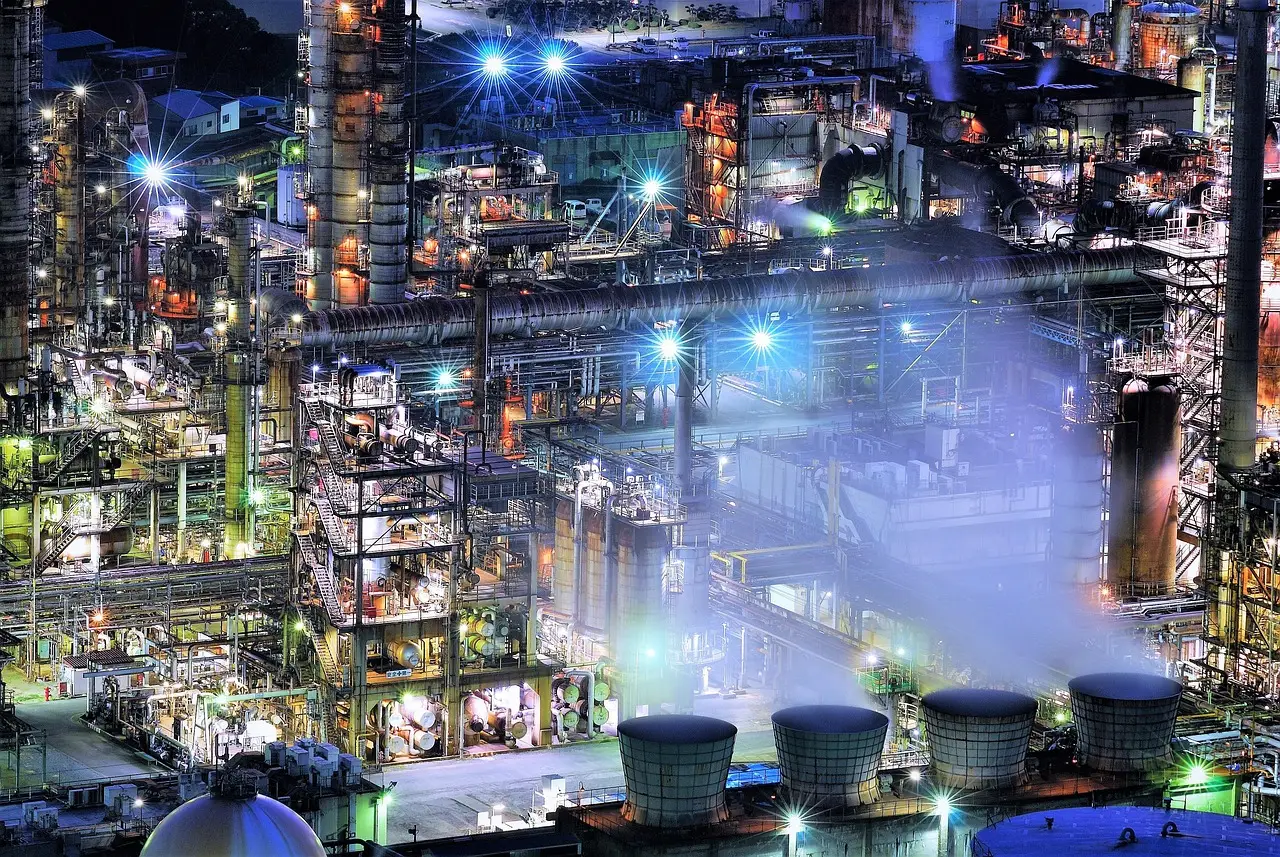
S-Oil inaugurates the KRW 9.26tn Shaheen complex in Ulsan, the first commercial rollout of Aramco's TC2C crude-to-chemicals technology, adding 3.2mn t/y of petrochemical capacity from 2027.
SPECIFICATION
- 1
Shaheen Project costs KRW 9.26 trillion (c. USD 7bn), the largest petrochemical investment in Korean history
- 2
First commercial application of Aramco's TC2C technology, developed with Lummus Technology
- 3
S-Oil adds 3.2mn t/y of petrochemical capacity and lifts chemical yield from 12% to 25% from 2027
- 4
Sabic markets Shaheen's polyethylene under a five-year, KRW 5.5tn (USD 3.7bn) agreement signed in February
- 5
Complex includes the world's largest steam cracker and polymer plants
Aramco has taken its crude-to-chemicals technology commercial for the first time, in South Korea. Subsidiary S-Oil has inaugurated the Shaheen Project in Ulsan — a KRW 9.26 trillion (about USD 7 billion) complex that ranks as the largest petrochemical investment in Korea's history, according to a company press release. It's the first commercial application of thermal crude-to-chemicals (TC2C) technology, which Aramco developed with Lummus Technology.
What does Shaheen actually produce?
The short answer: a lot more chemicals per barrel. S-Oil will roughly double the share of its output that ends up as chemicals rather than fuels.
- Commercial operations start in 2027.
- Around 3.2 million tonnes per year of new petrochemical capacity.
- Chemical yield rises to 25%, from 12% today.
That yield jump is the whole point of TC2C. Conventional refineries send most crude into fuel streams and leave a modest slice for chemical feedstock. The TC2C route pushes a far larger fraction of each barrel straight into olefins, skipping intermediate steps. For buyers of ethylene and derivatives, that means new supply from an unconventional source. Alongside the TC2C units, the Ulsan complex includes the world's largest steam cracker (the unit that breaks feedstock into ethylene and other light olefins) and polymer plants.
Who markets the polyethylene?
Sabic, the Aramco affiliate, will handle exports of Shaheen's polyethylene. S-Oil signed a five-year agreement in February worth KRW 5.5 trillion (USD 3.7 billion), under which Sabic sells the polyethylene abroad through its global network. Domestic olefins supply works differently. Olefins for Ulsan's downstream producers will move through a new pipeline network, keeping local converters fed directly from the complex.
For polyethylene buyers outside Korea, Sabic's involvement means the new volumes will land through established channels rather than a new sales force. That affects contract availability from 2027 onward.
Why the TC2C milestone matters
This is the first time Aramco's crude-to-chemicals process runs at commercial scale anywhere. The technology has been a strategic priority for the Saudi producer, and Ulsan is the proof case. Success here opens a path to converting crude directly into chemical feedstock elsewhere in Aramco's system, which would shift petrochemical supply dynamics well beyond Korea.
Lummus Technology, the licensing partner, now has a working reference plant. That matters for any producer weighing a TC2C licence — the Ulsan operating data from 2027 will be the benchmark.
What does this change for Korean petrochemicals?
Two things. First, Ulsan's downstream producers get a dedicated pipeline supply of olefins, tightening the local supply chain around the complex. Second, S-Oil's product slate shifts decisively toward chemicals, doubling its chemical output share at a time when regional polymer markets are watching new capacity closely.
Elsewhere on our radar
Aramco's home market is also seeing early-stage activity. Riyadh-based AI startup 009 closed a USD 1.4 million pre-seed round led by Outliers Venture Capital, with angel participation, co-founder Mohammed Hashmi said. The startup builds AI agents for administrative and operational work — reviewing permit applications, processing procurement requests, reconciling records — for government, manufacturing, mining, and defense clients. It joins a run of Saudi early-stage rounds this year: Rime raised over USD 2 million in seed funding led by Seedra Ventures in August, Idraj closed a SAR 2.3 million pre-seed round in September for IPO-readiness tools, and Project Suppliers raised SAR 3.75 million in October to build tools for construction suppliers. Separately, Almarai opened a nearly SAR 500 million meat processing plant in Riyadh capable of processing about 80,000 head of local cattle a year with over 18,000 tonnes of annual meat production capacity.
via Google News — Petrochemicals (Source)
More from Sophie Lindqvist
Show full bio
News editor covering regulation, policy and their impact on Chemicals Weekly is the trade press at Chemicals Weekly.
61 articles