TEST RECORD
- DATE
- November 19, 2026
- DESK
- PETROCHEMICALS
- READ TIME
- 4 MIN
- WORDS
- 704
S-Oil's 9.26tn won Shaheen cracker nears startup as Ulsan cuts stall
S-Oil completes its 9.258tn won Shaheen crude-to-chemicals plant on the 25th, adding 1.8m t of ethylene while Ulsan cut talks stall and Korea's net capacity reduction shrinks to 690,000 t.
SPECIFICATION
- 1
S-Oil holds the Shaheen completion ceremony on the 25th; the 9.258 trillion won project phases in from January
- 2
Shaheen adds 1.8 million t of ethylene, 770,000 t of propylene, 200,000 t of butadiene and 280,000 t of benzene
- 3
Net Korean ethylene cuts stand at 690,000 t against a 2.7 million t government target
- 4
Four majors posted a combined Q3 operating loss of 522.5 billion won after 962.7 billion won profit in Q2
- 5
Kumho Petrochemical booked its first quarterly loss in 11 years: 20.8 billion won
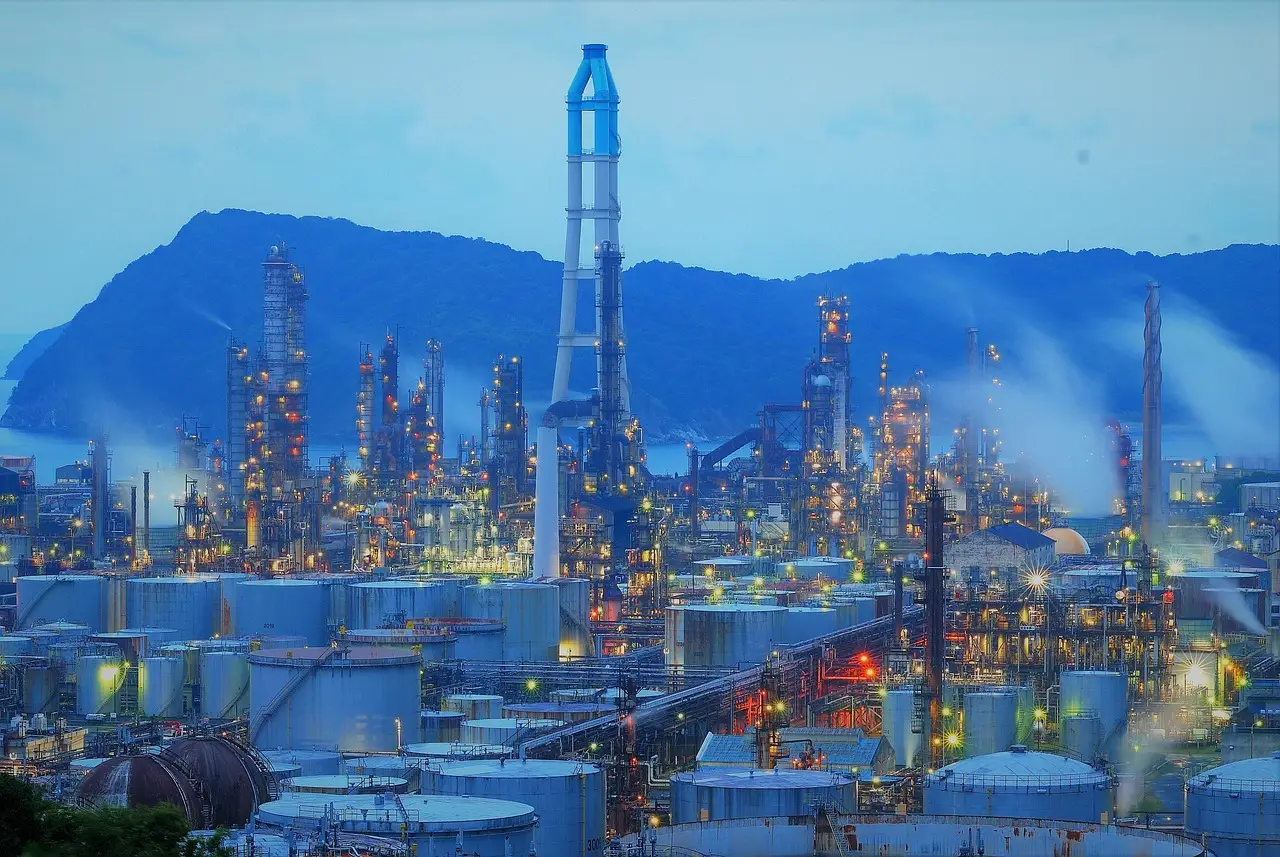
S-Oil will hold the completion ceremony for its 9.258 trillion won Shaheen Project on the 25th, one week from now, while the Ulsan petrochemical restructuring it was meant to accompany remains unresolved. The plant starts phased operation in January. The government says it will set the scale of Ulsan production cuts only after confirming Shaheen runs reliably, because it commercializes a world-first process.
What does Shaheen actually add?
The project is the largest single investment in Korea's petrochemical industry. Once fully running it brings to market:
- 1.8 million tonnes of ethylene per year
- 770,000 tonnes of propylene
- 200,000 tonnes of butadiene
- 280,000 tonnes of benzene, among other products
At its core sits Thermal Crude to Chemicals (TC2C), Aramco's process that converts crude oil directly into petrochemical feedstock, skipping the refining step. Shaheen is its first commercial deployment anywhere. The process lifts chemicals yield from crude from roughly 15% to 70%, and S-Oil expects production costs 20-30% below competing naphtha cracking centers (NCCs, the steam crackers that turn naphtha into ethylene and co-products).
Why the restructuring has stalled
The math on cuts explains the frustration. The government targeted at least 2.7 million tonnes of ethylene reduction. Agreed cuts so far total about 2.49 million tonnes. Deduct Shaheen's 1.8 million tonnes of new capacity and the net reduction across Korea shrinks to just 690,000 tonnes.
Daesan in South Chungcheong province and Yeosu in South Jeolla province have finalized their cut plans. Ulsan has not. S-Oil, SK Geo Centric and Korea Petrochemical Ind keep talking but disagree over which facilities to cut and by how much.
An SK Geo Centric official said: "The companies have not narrowed their differences over the cuts, so discussions are not progressing well." A petrochemical industry official added: "Each company has different interests in the restructuring. We will hold discussions, but they have not yet gained momentum."
What does the delay change for buyers?
The government argues Ulsan differs from the other complexes. Existing ethylene capacity there sits at 900,000 tonnes at Korea Petrochemical Ind, 660,000 tonnes at SK Geo Centric and 200,000 tonnes at S-Oil, per the Ministry of Trade, Industry and Energy.
A MOTI official said: "Yeosu and Daesan were already oversupplied, with losses accumulating over four years, but supply and demand in Ulsan are balanced until Shaheen begins production next year."
There is also an operational risk argument. No one knows whether Aramco's unproven-at-scale technology will run smoothly from day one. Cutting Ulsan capacity before Shaheen starts could create a temporary shortage if the new plant stumbles. Ethylene is a gas, so trucking it in from other complexes costs serious money. The official pointed to a past precedent: "We need to prepare for any potential production disruptions, just as a shortage of garbage bags occurred nationwide during the Middle East crisis in the past."
Losses deepen across the sector
The delay lands on an industry already bleeding. Four majors — Lotte Chemical, LG Chem's petrochemical division, Hanwha Solutions' chemicals division and Kumho Petrochemical — posted a combined 522.5 billion won operating loss in the third quarter. That follows a combined 962.7 billion won operating profit in the second quarter.
Lotte Chemical lost 281.4 billion won. LG Chem's petrochemical division lost 175.6 billion won, Hanwha Solutions' chemicals division 44.7 billion won. Kumho Petrochemical, long profitable on high-value synthetic rubber, lost 20.8 billion won — its first quarterly loss in 11 years, since Q4 2015. SK Geo Centric and Korea Petrochemical Ind stayed in the black.
The losses reflect high-priced naphtha bought earlier, sold into a market where prices had fallen and Chinese output flooded supply.
Recovery looks distant. Lotte Chemical said on its November 6 earnings call: "Even if naphtha cracking center (NCC) cuts go ahead in Daesan and Yeosu, the Shaheen Project is scheduled to start up, making it difficult to expect a dramatic market recovery." LG Chem forecasts oversupply persisting into next year, as global capacity additions outweigh closures. The NCC spread moved above break-even in November, but Shaheen's startup could rebuild the pressure.
via Google News — Petrochemicals (Source)
More from Sophie Lindqvist
Show full bio
News editor covering regulation, policy and their impact on Chemicals Weekly is the trade press at Chemicals Weekly.
53 articles