TEST RECORD
- DATE
- November 25, 2026
- DESK
- PETROCHEMICALS
- READ TIME
- 3 MIN
- WORDS
- 598
S-Oil completes $6.7bn Ulsan petrochemical expansion
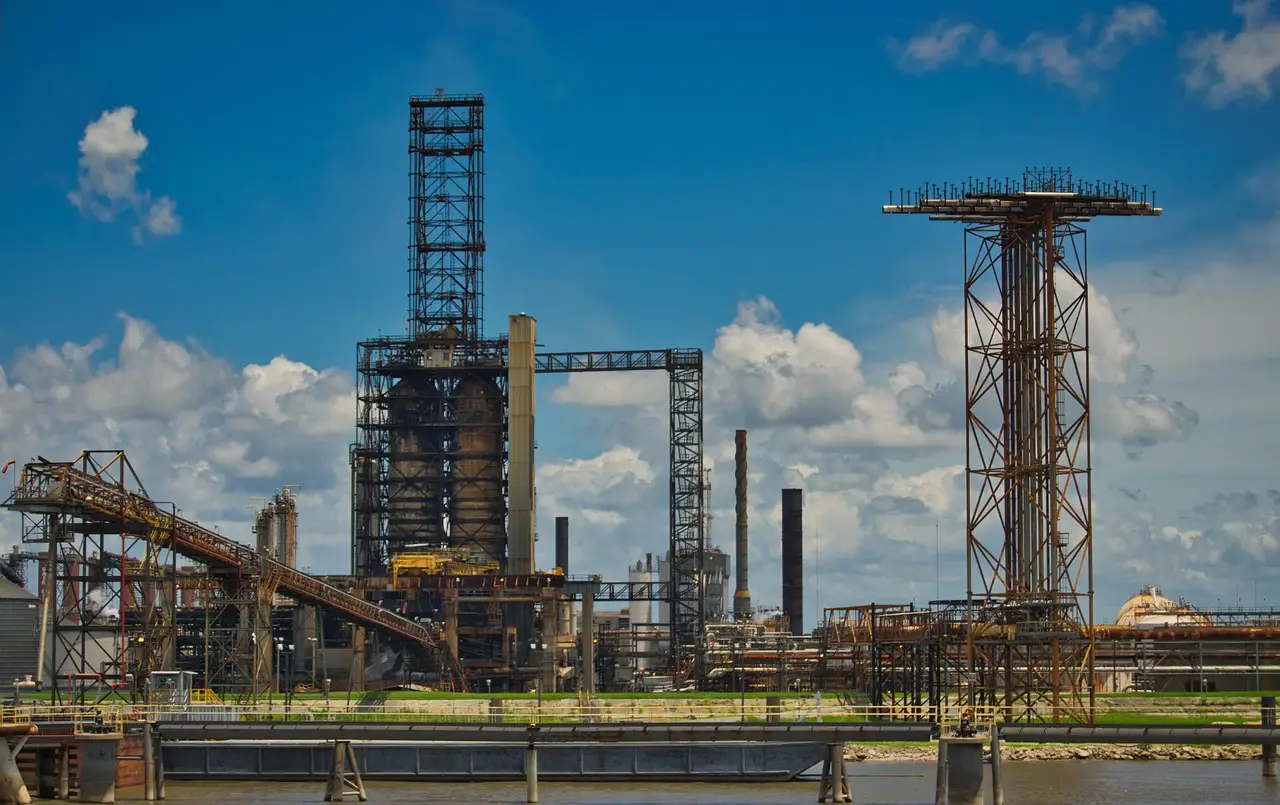
S-Oil has finished the 880,000-square-metre Shaheen complex in Ulsan, adding 3.2 million tonnes of annual petrochemical capacity before commercial operations start next year.
SPECIFICATION
- 1
S-Oil completed the 9 trillion won ($6.7 billion) Shaheen project in Ulsan on Nov. 25.
- 2
The Ulsan petrochemical complex covers 880,000 square metres.
- 3
The steam cracker can produce 1.8 million tonnes of ethylene annually.
- 4
Commercial operations are due next year after trial runs, adding about 3.2 million tonnes of annual capacity.
- 5
Petrochemicals will rise from 12% to 25% of S-Oil's total output.
S-Oil has completed a 9 trillion won ($6.7 billion) petrochemical expansion in Ulsan. The Shaheen project will add about 3.2 million tonnes of annual capacity when commercial operations start next year.
S-Oil Corp., South Korea's third-largest refiner by sales, said on Wednesday, Nov. 25 that construction at its petrochemical complex in Ulsan, about 310 kilometres southeast of Seoul, had finished. The company marked the milestone with a ceremony. It also used the event to mark the 50th anniversary of its founding in 1976.
The capacity S-Oil has built
The immediate production shift is already defined. S-Oil said: "Petrochemical products will account for 25 percent of the company's total output, up from the current 12 percent." That share will more than double.
The site includes the world's largest steam cracker by single-unit capacity. The steam cracker is the plant unit that produces ethylene, a basic petrochemical building block. It can make 1.8 million tonnes of ethylene per year. S-Oil has also built facilities for producing polyethylene, a petrochemical polymer.
The new units will first undergo trial runs, known as commissioning. Commercial operations begin next year. Until then, the added capacity remains under test rather than at steady output.
At full operation, the new complex will combine ethylene capacity of 1.8 million tonnes a year with dedicated polyethylene production facilities within an 880,000-square-metre site.
That scale changes how the Ulsan site fits into S-Oil's wider portfolio. It is no longer only an oil-refining location. Shaheen brings large-scale ethylene cracking and polyethylene production into one complex. This is the physical core of S-Oil's move beyond refining.
A decades-long shift
The company has been preparing for this shift for decades. S-Oil started as an oil refiner in 1976. Saudi Arabia's state-owned Aramco made an equity investment in 1991. The company then began transforming its business beyond its original refining base.
During the 1990s, S-Oil introduced large-scale refining upgrading facilities. These units allowed it to convert lower-value heavy oil left over from crude processing into higher-value products, including gasoline and diesel. The company has now moved into a second phase, using its own investment to add chemical production rather than only improve fuel processing.
S-Oil has invested more than 14 trillion won over the past decade. Shaheen is included in that spending. The programme supports a broader shift from refining toward chemicals.
The decade-long investment programme has therefore moved S-Oil from processing crude residue into transport fuels toward producing ethylene and polyethylene at industrial scale in South Korea.
What does this change for S-Oil?
For feedstock buyers, the practical change is prospective. A large block of ethylene and polyethylene capacity becomes available after trial runs and the commercial start next year. The 3.2 million-tonne addition is installed capacity, not evidence of completed commercial output.
For S-Oil, the project changes the scale and mix of production. Petrochemicals will represent 25 percent of output, against 12 percent today. The Ulsan complex also gives the company a larger manufacturing base outside conventional refining products.
There is one operational distinction. The ceremony marked construction completion and the company's 50th year. It did not mark commercial production. Trial runs sit between those two milestones.
The project therefore gives S-Oil substantial new capacity before the commercial market sees output from the site, while feedstock buyers can use trial-run completion as the practical signal for supply.
via Google News — Petrochemicals (Source)
More from Sophie Lindqvist
Show full bio
News editor covering regulation, policy and their impact on Chemicals Weekly is the trade press at Chemicals Weekly.
53 articles