TEST RECORD
- DATE
- November 24, 2026
- DESK
- PETROCHEMICALS
- READ TIME
- 3 MIN
- WORDS
- 683
SK Incheon Back Online After Four-Year Turnaround, 275,000 b/d CDUs Restart
SK Incheon restarts its 275,000 b/d complex after a four-year-gap turnaround, as gasoil cracks hit $63.36/bbl and Netherlands-bound cargoes set a 12.33 million barrel record.
SPECIFICATION
- 1
SK Incheon restarted its 275,000 b/d CDU complex and 100,000 b/d condensate splitter after a turnaround begun Oct. 6 — the first in four years.
- 2
Singapore gasoil crack averaged $63.36/bbl in H2 2026 through Nov. 20, versus $18.16/bbl in 2025.
- 3
Cargoes to the Netherlands hit a record 12.33 million barrels in January–September 2026.
- 4
Seoul raised the diesel export cap to 110% of year-earlier monthly volumes in October.
- 5
Byproduct hydrogen deliveries to the adjacent IGE liquefied hydrogen plant have resumed.
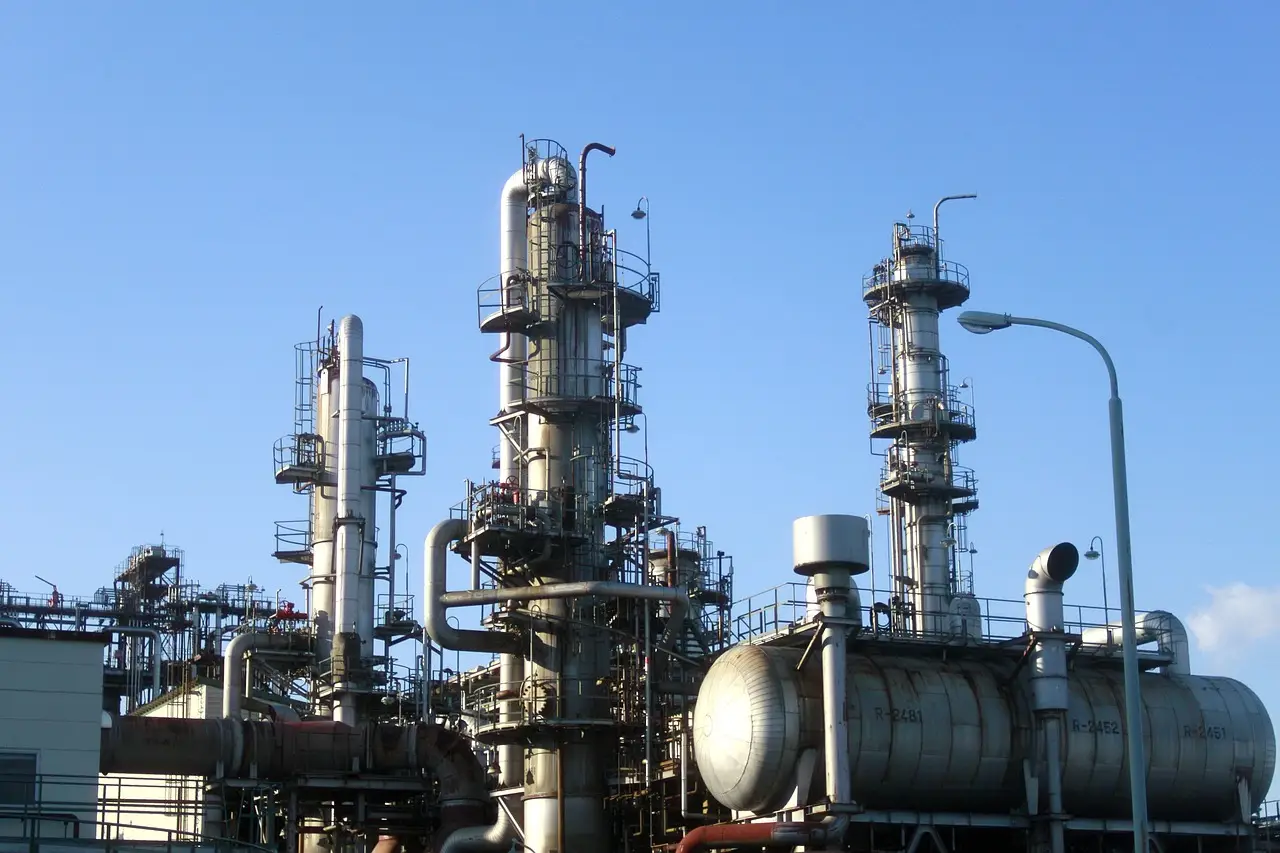
SK Incheon Petrochem has restarted its 275,000 b/d west coast refining and petrochemical complex after South Korea's first full turnaround at the site in four years, and product deliveries are already moving again as Asia-Pacific buyers stock up for winter.
SK Energy, the refining arm of SK Innovation and the country's leading refiner, shut the Incheon operations on Oct. 6 for a full program of inspections, equipment replacement and repair, catalyst swaps and energy-efficiency upgrades, the company said in a Nov. 23 release, citing Platts. Once work on the main units wrapped, the plant began introducing crude and brought key product output back online. Deliveries resumed only after cargoes cleared quality-specification checks.
The site runs two crude distillation units totaling 275,000 b/d, plus a 100,000 b/d condensate splitter, per the company's website and investor materials.
Why the restart matters now
The timing is not accidental. South Korea is Asia's largest supplier and exporter of clean oil products, and demand for middle distillates and gasoline is running strong across Asia-Pacific, Oceania and the US West Coast, two middle distillate sales and marketing managers at the company and Singapore-based traders told Platts on Nov. 23.
The buying pattern is distinctly seasonal:
- Japanese trading houses are showing notable appetite for extra kerosene cargoes ahead of winter.
- Australian and New Zealand purchasers keep seeking diesel and other transport fuels.
- Jet fuel demand ahead of the winter holiday period generated a string of spot offers in recent weeks.
South Korea typically ships 3 million to 5 million barrels of kerosene to Japan between November and March, with the total swinging on Japanese supply-demand conditions and how harsh the winter turns out.
Record arbitrage to Europe
East-West arbitrage economics have rarely looked this good for Korean refiners. Cargoes to the Netherlands hit a record 12.33 million barrels in the first nine months of 2026, according to figures from state-run Korea National Oil Corp. released Oct. 28. That volume put the Netherlands among South Korea's top 10 export destinations for the January-September span.
Healthy demand for South Korean refined products and essential fuels drove that brisk arbitrage activity, the KNOC data shows. In short: the Incheon restart lands in the middle of the strongest east-to-west pull in years.
Margins doing the heavy lifting
The cracks explain why every incremental barrel counts right now. Platts assessed the Singapore second-month gasoil swap crack versus Dubai crude at an average of $63.36 per barrel in the second half of 2026 through Nov. 20 — up from $35.61 per barrel in the first half and just $18.16 per barrel across 2025.
The Singapore jet fuel/kerosene crack averaged $50.57 per barrel in 2026 through Nov. 20, more than twice its 2025 average of $17.32 per barrel. For anyone running distillate-heavy slates, that's roughly a doubling of per-barrel margin economics year on year.
Hydrogen byproduct flows resume
The restart also restored deliveries of byproduct hydrogen to the adjacent IGE liquefied hydrogen plant. The hydrogen, produced during SK Incheon's petrochemical manufacturing, serves as feedstock for the liquefaction facility, SK Innovation said in its statement.
What the turnaround changes for exporters
The plant's return adds flexibility to South Korea's refined-product export system, but cargoes remain bound by domestic supply needs and government policy. In October, Seoul raised the ceiling on diesel exports, allowing refiners to ship as much as 110% of the year-earlier volume for the corresponding month, up from the previous 100% cap. Officials cited strong regional demand and high refining margins.
SK Incheon Petrochemicals said the turnaround enhanced equipment reliability and operational stability and set the stage for cleaner, safer plant operations. The company added that steady operations would underpin supplies of petroleum and petrochemical products to domestic and international markets alike.
The bottom line: a freshly overhauled 275,000 b/d complex is back on line just as winter demand, record Netherlands arbitrage and doubled crack spreads converge.
via Google News — Petrochemicals (Source)
More from Marcus Bennett
Show full bio
Correspondent covering money, funding and market shifts around Chemicals Weekly is the trade press at Chemicals Weekly.
64 articles