TEST RECORD
- DATE
- November 25, 2026
- DESK
- PETROCHEMICALS
- READ TIME
- 3 MIN
- WORDS
- 616
Shaheen completes 9 trillion won petrochemical project for 2027 startup
South Korea's completed 9 trillion won Shaheen project in Ulsan will add 1.8 million tonnes of annual ethylene capacity in 2027, but could shrink approved naphtha-cracker cuts to 690,000 tonnes.
SPECIFICATION
- 1
Shaheen's 9 trillion won project is complete and targets commercial operations in 2027 after test runs.
- 2
S-OIL describes Shaheen's single-unit steam cracker as the world's largest, with 1.8 million tonnes of annual ethylene capacity.
- 3
Shaheen will host the first commercial TC2C unit, developed by Aramco and U.S.-based Lummus Technology.
- 4
S-OIL projects $770 million in annual import substitution and $87 million a year in economic value for Ulsan.
- 5
Approved naphtha-cracker cuts total 2.49 million tonnes; adding Shaheen's 1.8 million tonnes leaves a net reduction of 690,000 tonnes.
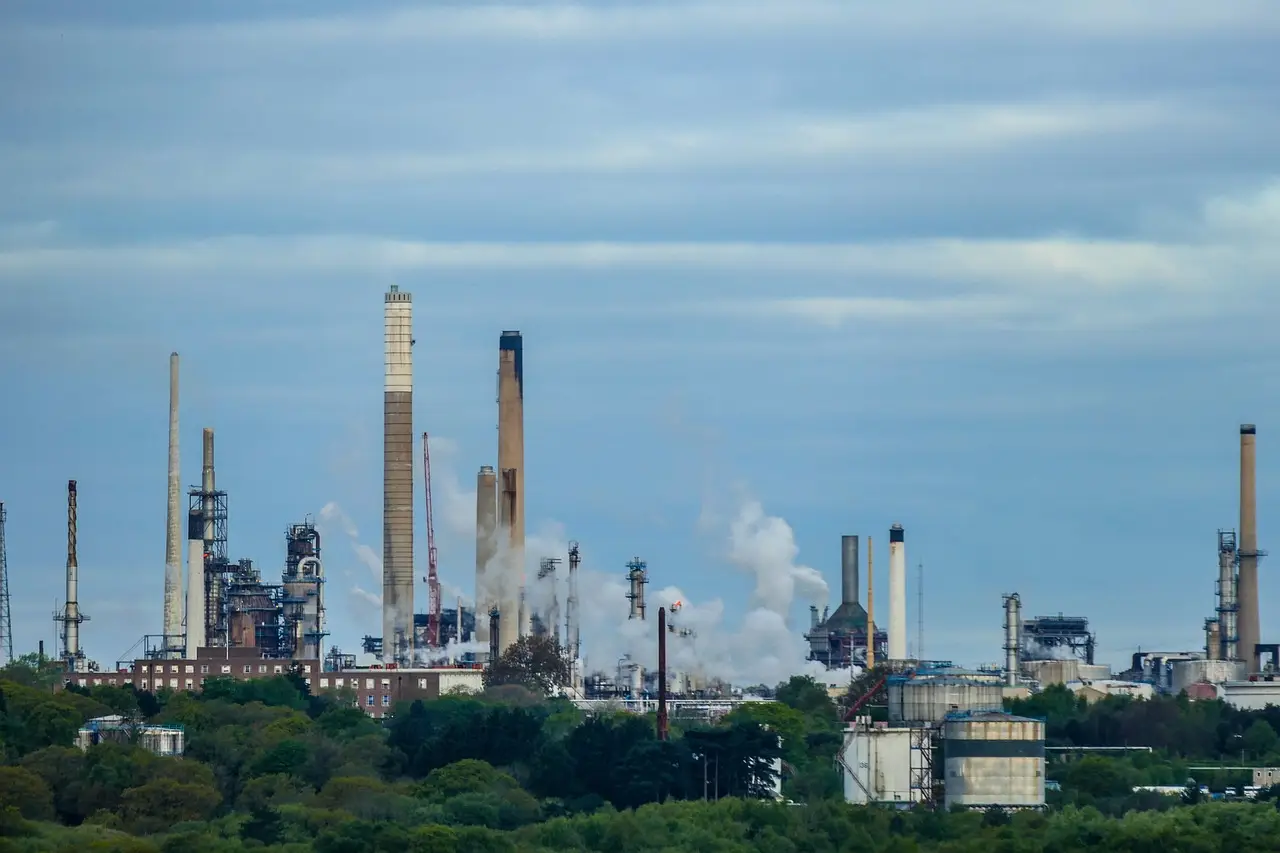
The completed Shaheen petrochemical project at the Ulsan Onsan National Industrial Complex carries a 9 trillion won investment and targets commercial operations in 2027 after test runs. The source does not define the scope of completion or specify when testing begins, so the completed status does not establish operating readiness.
What does Shaheen add to Ulsan's petrochemical base?
The report labels Shaheen the largest project in Korean petrochemical history; it gives no comparable-project figures for that ranking. S-OIL calls the included steam cracker the world's largest single unit, with capacity for 1.8 million tonnes of ethylene a year.
A steam cracker uses heat to break naphtha and other materials into petrochemicals, including ethylene. The complex also includes polymer plants and the TC2C unit.
Shaheen brings crude-to-feedstock conversion, large-scale cracking and polymer production together at one Ulsan site. The source does not provide plant-by-plant capacities or separate completion dates, so it does not allocate the overall investment and scale among the units.
What is TC2C, and what remains unproven?\n
TC2C is a unit that converts crude oil into petrochemical feedstocks; Aramco and U.S.-based Lummus Technology jointly developed it. Shaheen will host the first commercial deployment, according to the source.
The 2027 date depends on test runs, but the source gives no test completion date, startup sequence or capacity ramp-up profile. As the TC2C unit will operate commercially for the first time, no operating benchmark appears in the source for capacity, yield or reliability.
What economic case does S-OIL make?\n
An S-OIL official said: “The TC2C facility will allow us to maximize the added value generated from each barrel of crude oil.” The official also said: “By creating synergies with the world’s largest single-unit steam cracker, which can produce 1.8 million tonnes of ethylene a year, we can achieve economies of scale through large-scale production.”
Basic petrochemical products from the cracker will sell in South Korea and abroad in collaboration with SABIC, an Aramco affiliate. Some output will also move by pipeline to downstream petrochemical companies in Ulsan, a route intended to reduce import dependence and logistics expenses.
S-OIL estimates the project could generate an annual import-substitution effect (replacement of imported supply with domestic output) worth about $770 million and about $87 million a year in economic value for Ulsan. The source gives no calculation, product mix or ramp-up assumptions behind either estimate, so both remain projections rather than realized results.
Could Shaheen erase Korea's petrochemical capacity cuts?
The government and industry are pursuing a restructuring plan to cut domestic naphtha-cracking facility (NCC) capacity by 2.7 million to 3.7 million tonnes a year. Approved cuts in Daesan, South Chungcheong Province, and Yeosu, South Jeolla Province, total 2.49 million tonnes.
Adding Shaheen's 1.8 million tonnes of additional ethylene capacity to those approved cuts leaves a net reduction of 690,000 tonnes, according to the source. That result sits below the stated annual reduction range of 2.7 million to 3.7 million tonnes, and the source does not explain how the two capacity plans reconcile.
Analysts cited by the source warn that higher Shaheen output would add to domestic supply and place more pressure on existing petrochemical companies already facing declining profitability, potentially forcing further production cuts. The analysis does not name those companies or quantify their exposure.
What has to happen before 2027?
Until test runs validate the 1.8 million-tonne cracker and first commercial TC2C unit, Shaheen's scale is clear, but a 2027 commercial start and its projected benefits remain unproven.
via Google News — Petrochemicals (Source)
More from Grace Kim
Show full bio
Staff writer covering money, funding and market shifts around Chemicals Weekly is the trade press at Chemicals Weekly.
49 articles