TEST RECORD
- DATE
- November 22, 2026
- DESK
- PETROCHEMICALS
- READ TIME
- 2 MIN
- WORDS
- 401
Strike drones hit Dorogobuzh chemical plant in Russia's Smolensk region
Drones struck Acron's Dorogobuzh plant in Smolensk region on 20 November. The site makes ammonia, nitric acid and ammonium nitrate used in explosives; a February strike had already halted production.
SPECIFICATION
- 1
Strike drones hit the Dorogobuzh chemical plant in Smolensk region on the night of 20 November.
- 2
The plant, part of Acron group, produces ammonia, nitric acid, ammonium nitrate and compound fertilisers.
- 3
A 25 February 2026 strike caused significant damage and halted production at the site.
- 4
ASTRA OSINT analysts confirmed the explosion occurred on the plant's premises.
- 5
Ukraine's Unmanned Systems Forces commander Robert Brovdi said in December 2025 the plant served Russian army needs.
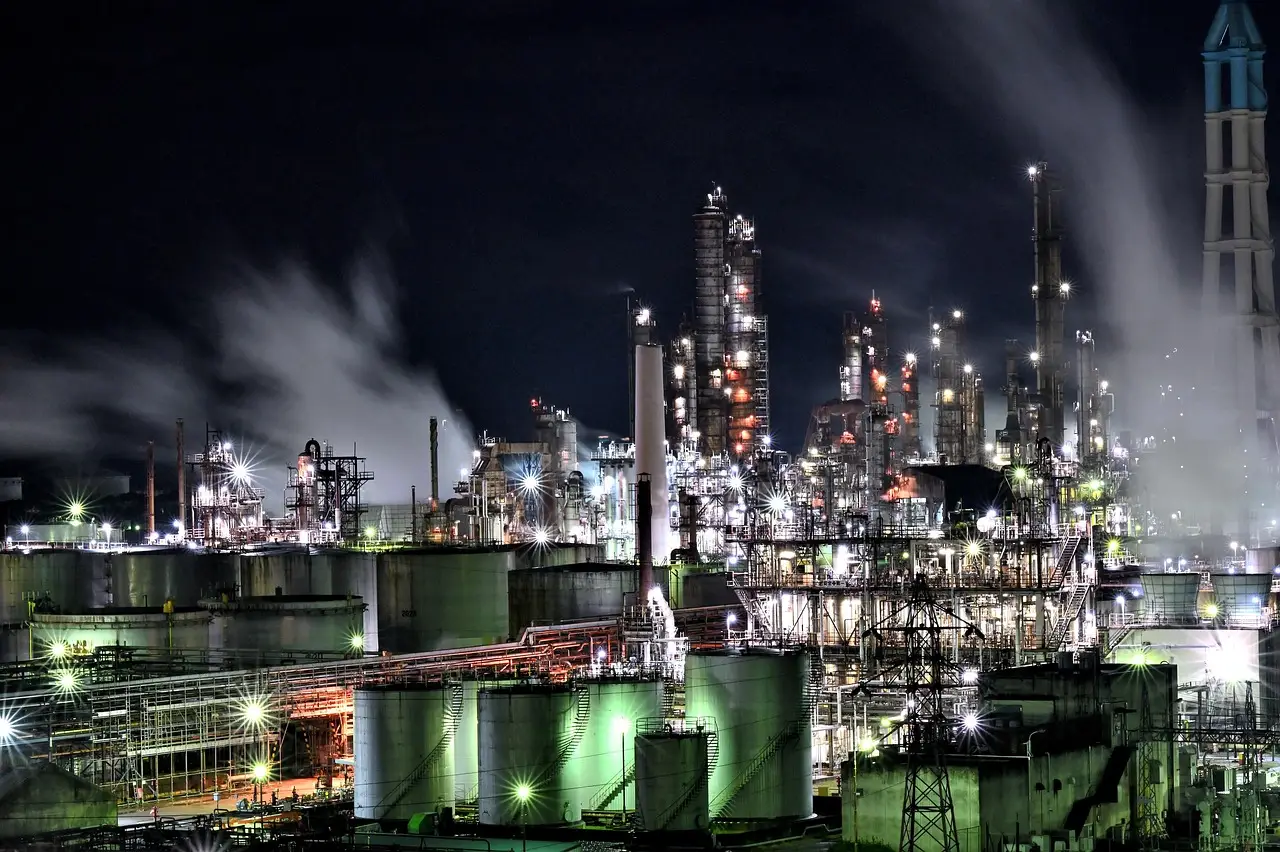
Strike drones hit the Dorogobuzh chemical plant in Russia's Smolensk region overnight on 20 November, targeting a site that supplies chemical raw materials used in explosives production for the Russian military-industrial complex.
The plant belongs to the Acron industrial group and ranks among Russia's major producers of nitrogen chemicals and mineral fertilisers. Its main products include:
- ammonia
- nitric acid
- ammonium nitrate
- compound fertilisers
Several of those products feed the manufacture of industrial and military explosives. The plant does not assemble finished ammunition, but it forms part of the industrial supply chain for chemical raw materials.
What happened on the night of 20 November?
Monitoring channels first reported the strike and released video footage showing powerful explosions and a fire on the site. OSINT analysts from ASTRA confirmed that the blast occurred on the premises of the Dorogobuzh plant.
There has been no official confirmation of the strike's outcome from the Ukrainian military command. The extent of the damage from the 20 November attack is still being assessed.
The strike fits a wider pattern. It came amid a series of attacks on industrial facilities inside the Russian Federation that support the Russian economy and defence industry.
Why is this plant a target?
Dorogobuzh makes ammonium nitrate and nitric acid — commodity chemicals for fertiliser, but also standard feedstocks for explosives. Ukrainian officials have drawn the direct link.
In December 2025, Robert Brovdi, commander of the Ukrainian Armed Forces' Unmanned Systems Forces, reported that the company had been involved in meeting the needs of the Russian army. That statement framed the plant as military-relevant infrastructure despite its civilian product portfolio.
The site has drawn drones before. Dorogobuzh has been hit on several occasions by Ukrainian unmanned aerial vehicles.
How bad were the earlier strikes?
The most severe attack on the factory came on 25 February 2026. The plant sustained significant damage in that strike, and production was halted afterwards.
That February damage sets the baseline for assessing the 20 November hit: a site already knocked offline once, struck again at its chemical production lines. Whether this week's attack compounds the earlier damage or hits rebuilt capacity remains unclear pending damage assessment.
For chemical-industry watchers, the takeaway is simple: a major Russian nitrogen-chemicals producer with military-linked end uses is now a repeat target, and its output of ammonia, nitric acid and ammonium nitrate stays at risk.
via Google News — Chemical Industry (Source)
More from Amara Osei
Show full bio
Senior reporter covering people, launches and day-to-day practice in Chemicals Weekly is the trade press at Chemicals Weekly.
50 articles