TEST RECORD
- DATE
- November 22, 2026
- DESK
- PETROCHEMICALS
- READ TIME
- 3 MIN
- WORDS
- 523
Ukrainian Drones Hit Dorogobuzh, Site of 11% of Russia's Ammonium Nitrate
Ukrainian drones hit Acron's Dorogobuzh plant, source of ~11% of Russia's ammonium nitrate. It's the fourth recent strike on the site and part of a wider campaign against dual-use chemical producers.
SPECIFICATION
- 1
Drones struck Dorogobuzh (Acron Group) in Smolensk region early Friday, Nov. 20, causing an explosion.
- 2
Dorogobuzh accounts for ~11% of Russia's total ammonium nitrate production.
- 3
A Feb. 25 strike on the same plant killed four and injured ten, per Governor Vasily Anokhin.
- 4
Since Sept. 12, Ukraine has hit chemical plants in Samara, Perm and Vologda regions, including Uralchem's Azot in Berezniki.
- 5
Oct. 24 strike on Tatneft's Tolyattikauchuk forced evacuation of the neighboring AvtoVAZ plant.
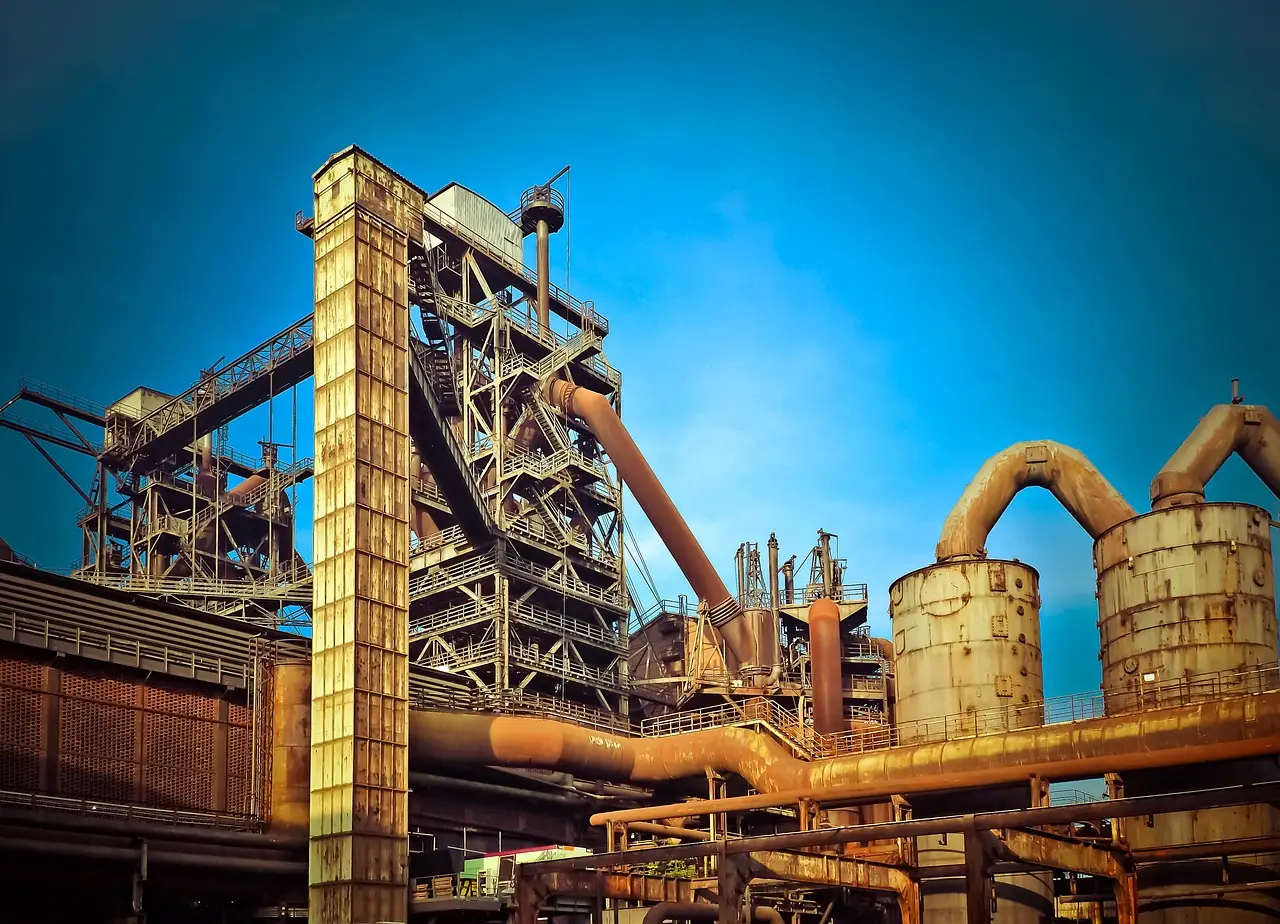
Ukrainian drones struck the Dorogobuzh chemical plant in Russia's Smolensk region early on Friday, Nov. 20, triggering an explosion at one of the country's largest mineral fertilizer producers.
The Ukrainian monitoring channel Exilenova+ identified the plant as the target. Eyewitness footage reviewed by the independent Russian outlet Astra showed an explosion at the industrial site. Regional authorities had not commented on the strike or its consequences at the time of reporting.
What does Dorogobuzh actually make?
Dorogobuzh is the biggest industrial enterprise in the Smolensk region. It belongs to Acron Group, whose main beneficiary is Russian billionaire Vyacheslav Kantor, a former president of the European Jewish Congress.
According to the company, the facility accounts for around 11% of Russia's total ammonium nitrate production. Its product slate also includes:
- ammonia
- nitric acid
- mineral fertilizers
- nitroammophoska (an NPK fertilizer blend)
That output is dual-use. Several products, including ammonium nitrate, also serve as feedstock for industrial explosives.
This isn't the first hit
The plant has been targeted repeatedly. On Feb. 25, a previous drone attack triggered a massive fire. Smolensk Governor Vasily Anokhin said four people were killed and ten injured in that strike.
The facility was also struck in December 2025, when a fire broke out without reported casualties.
The February attack damaged production and logistics infrastructure. Satellite imagery and an assessment by OSINT analysts CyberBoroshno, reported by Ukrainian media, showed the explosions hit areas used for ammonium nitrate production, storage and transportation.
A widening campaign against Russian chemicals
The latest strike fits a pattern. Ukraine is systematically hitting Russian chemical producers whose materials feed military manufacturing — explosives, gunpowder and solid rocket fuel. For buyers of ammonia and nitric acid, that means Russian supply is now a war-risk variable, not just a price variable.
Recent targets include:
- Oct. 24: Drones struck the Tolyattikauchuk petrochemical plant in the Samara region, triggering a major fire. The Tatneft-owned facility produces synthetic rubber used in solid rocket fuel. The attack prompted an evacuation of workers at the neighboring AvtoVAZ automotive plant.
- Oct. 23: Drones reportedly struck the Azot chemical plant in Berezniki, Perm region. Operated by Uralchem, it produces ammonium nitrate, nitric acid and other chemicals used in explosives and gunpowder.
- Sept. 12: Ukrainian forces struck two chemical enterprises in the Perm and Samara regions, confirmed by President Volodymyr Zelensky. The targets were the KuibyshevAzot plant in Tolyatti and the Azot facility in Berezniki.
- March and April: The Apatit chemical plant in Cherepovets — which produces ammonia, ammonium nitrate and nitric acid used in explosives — was struck twice within a month. Ukraine's Unmanned Systems Forces confirmed the April attack.
What does this change for the ammonium nitrate market?
Dorogobuzh alone covers roughly a ninth of Russian ammonium nitrate capacity. Add the repeated strikes on Berezniki and Cherepovets, and the campaign touches three of the country's major nitrate and nitric acid sites. Each hit that damages storage and rail logistics, as the February attack did, tightens export availability and lengthens force-majeure risks for buyers sourcing from Russian producers. No official damage assessment for the Nov. 20 strike has been released yet.
via Google News — Chemical Industry (Source)
More from Sophie Lindqvist
Show full bio
News editor covering regulation, policy and their impact on Chemicals Weekly is the trade press at Chemicals Weekly.
53 articles